Zelenskyy warns Russia may mobilize 300,000 after parliamentary ‘elections’
A new mobilization wave could begin in Russia after the State Duma “elections,” with the Kremlin expected to conduct it mainly in the regions. Russia’s plan for 2026 is to mobilize about 300,000 additional people.
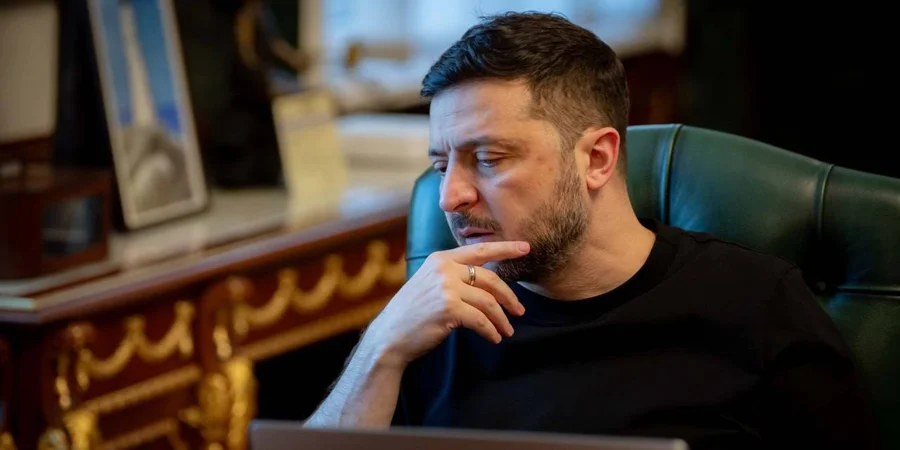
Ukrainian President Volodymyr Zelenskyy warned Russia may mobilize as many as 300,000 additional troops in the wake of the State Duma "elections," according to news reports. The Kremlin's plan for 2026 involves mobilizing around 300,000 extra individuals, primarily in the regions, with the goal of sending an additional 300,000 to the front by 2027, according to Zelenskyy.
Ukrainian Defence Forces have reported significant losses, with 267,000 military personnel lost since the beginning of the year, including approximately 155,000 irrecoverable losses. Zelenskyy claimed Ukraine had nearly fully liberated Dnipropetrovsk Oblast. He also mentioned that Russia may be secretly mobilizing in Russia without formally announcing it, based on internal Russian documents obtained by Ukrainian intelligence.
Zelenskyy's comments come after the Kremlin announced plans to conduct a mobilization wave in the fall of 2026, following what he called "sham parliamentary elections."
Written by urgent.news from New Voice of Ukraine's reporting — not their text. Machine-written — may contain errors; check the original before relying on it.
This story
This is one outlet's version. Read the fullest account.
- President Zelensky says having elections in Ukraine would 'destroy the country' france24.com
- Russia planning 'peripheral' mobilization of 300,000 men after elections, Zelensky says kyivindependent.com
- Fedorov reveals what he plans to do after leaving Ukraine's government english.nv.ua
- Zelensky says elections too risky while Ukraine fights Russia lemonde.fr
- Zelensky reveals Ukraine developing Starlink alternative with Europe as Russia teams up with China malaymail.com