Why Trump’s economic pain could spark more Iranian attacks on Gulf nations
President Donald Trump is betting new sanctions, a naval blockade and ramped-up economic pressure against Iran’s trading partners can accomplish what thousands of bombs and missiles could not: force Tehran to accept a deal to end the war on US terms. But like other US efforts to force Iran into capitulation, there is one main problem: Iran’s Islamic Revolutionary Guard Corps, which has claimed…
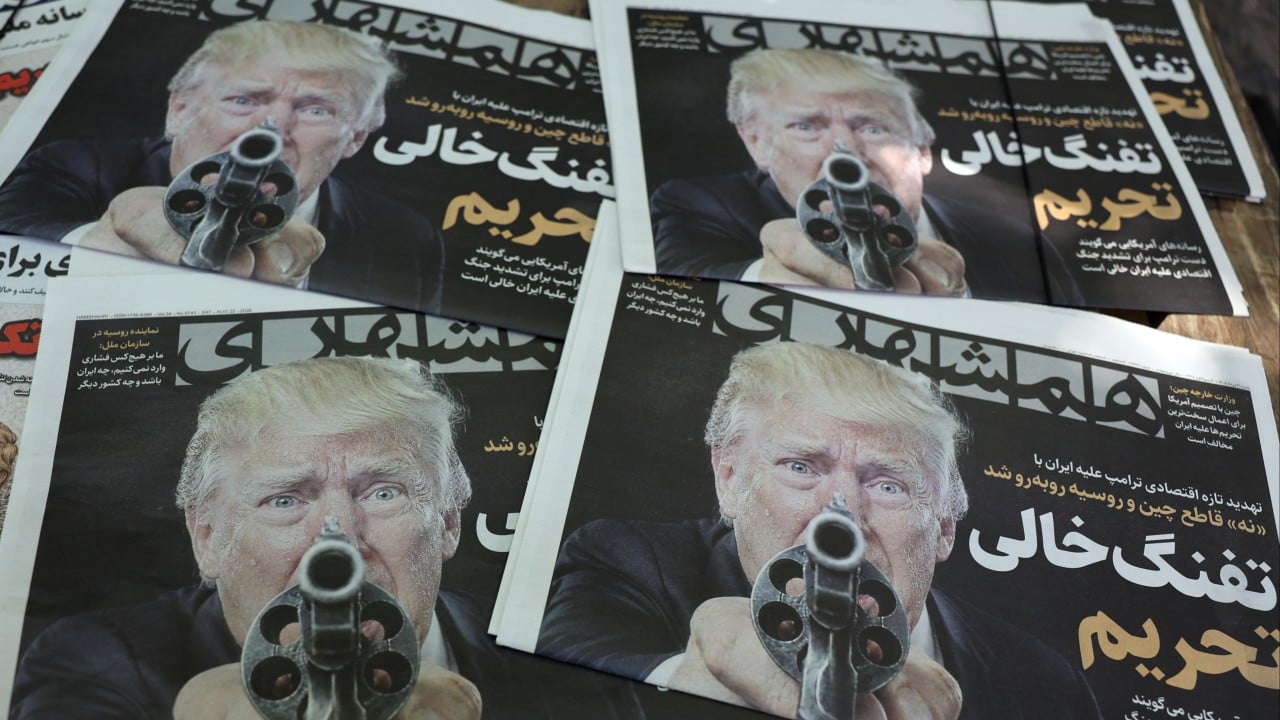
President Trump is relying on new sanctions, a naval blockade, and heightened economic pressure to force Iran to accept a deal ending the conflict on the US terms. However, Iran's Islamic Revolutionary Guard Corps, which holds control over the critical Strait of Hormuz and has launched numerous attack drones across the Gulf, may be immune to such pressure.
A key aspect of the US plan will be announced on Monday by Treasury Secretary Scott Bessent, aiming to transition the conflict from sporadic strikes to comprehensive economic isolation affecting nations like China, India, Turkey, and the UAE. Nevertheless, heightened economic pressure is expected to prompt Iran to retaliate with military strikes in the Gulf, particularly targeting energy infrastructure, in an attempt to boost oil prices and escalate the cost of the US campaign, compelling Trump to alter his strategy.
Senior fellow Nate Swanson from the Atlantic Council asserts that if the strategy proves effective, Iran will likely retaliate at some point, as Iran demonstrates the capability to withstand air strikes, sanctions, and a US naval blockade while maintaining its capacity to strike back. Since the initial attacks on Iran on February 28, Iran has consistently proven its resilience against thousands of air strikes, layers of sanctions, and a US navy blockade, which have kept Hormuz largely closed, increased global energy prices, and compelled wealthy Gulf nations to negotiate for a diplomatic resolution to the contentious conflict.
Despite the US decision to pause large-scale military actions, analysts question whether Iran will refrain from resuming open hostilities. Bloomberg Economics economist Chris Kennedy believes that should the economic pressure campaign succeed, military action from Iran is more probable than capitulation as a first step. The US economic pressure campaign, however, is already causing Iran to face its most severe economic crisis since years of isolation.
The Iranian rial's depreciation led to nationwide protests and a government response resulting in thousands of deaths. Currently, the nation's purchasing power has declined, with inflation exceeding 80% and the currency losing nearly 30% of its value this year. Iran's central bank governor announced that oil exports have virtually ceased under the US blockade, eliminating the government's primary revenue source.
The International Monetary Fund projects Iran's economy to contract by 6.1% this year, marking the worst contraction in decades. President Masoud Pezeshkian recently called for an end to the war with the US, but his influence is primarily in domestic economic matters, whereas hardline officials, including military leaders, argue that Iran is winning and should continue the fight.
The new measures announced by Bessent and the ongoing naval blockade could potentially compel Iran to return to the interim diplomatic deal reached with the US in June, according to David Schenker, a US diplomat for the Middle East during Trump's first term. However, it may take up to six months for any measures to have a significant impact, testing the Trump administration's patience, as Iran has demonstrated its ability to endure substantial economic strain while ignoring the suffering of its people.
Written by urgent.news from South China Morning Post's reporting — not their text. Machine-written — may contain errors; check the original before relying on it.
This story
This is one outlet's version. Read the fullest account.