Wash rice twice, not 7 times: Drought-hit England targets faith, cultural habits
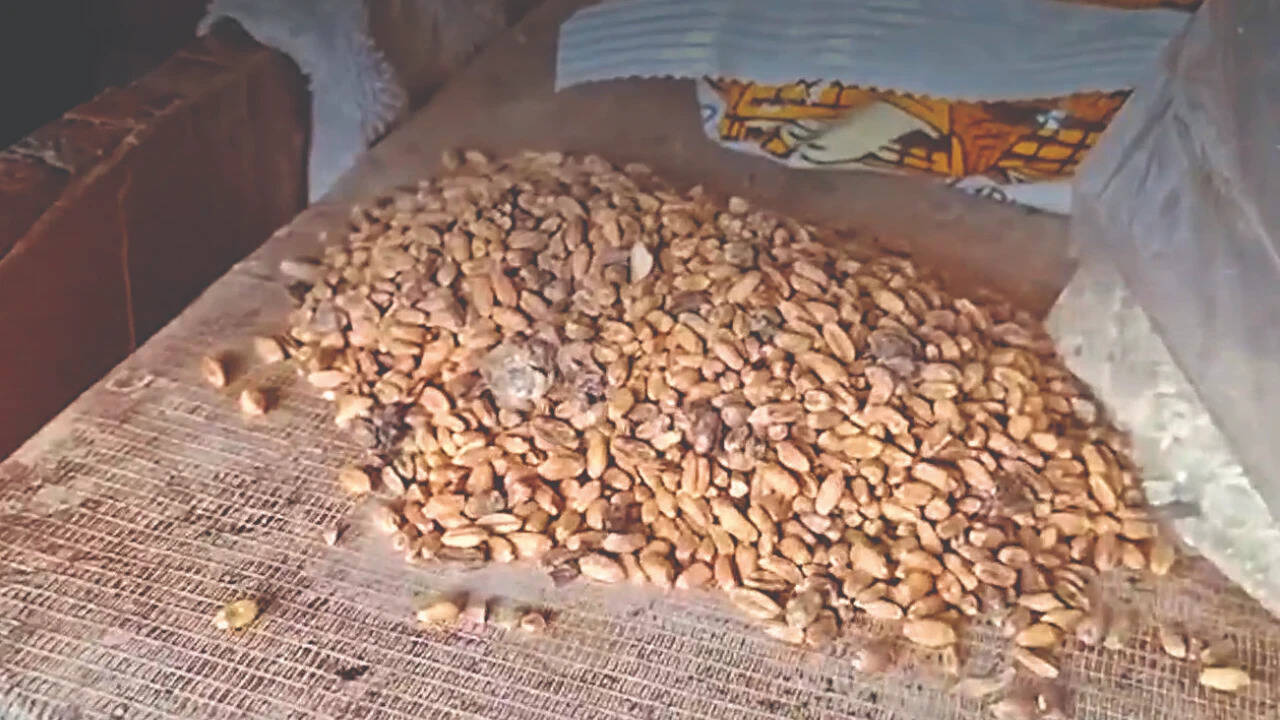
England's water crisis has prompted a campaign targeting South Asian communities to alter cultural practices, urging them to wash rice less frequently and use less water for ablution. Almost three-quarters of England is experiencing drought conditions due to five consecutive heatwaves in the summer, which have significantly reduced river and reservoir levels. The water regulator, Ofwat, has allocated £270,000 for two campaigns under the "Water efficiency in faith and diverse communities" project.
British Malaysian celebrity chef Ping Coombes appears in a video promoting the campaign, stating that she washes rice twice instead of the traditional five to seven times. She suggests that this adjustment can save up to five litres of water per washing cycle. Coombes also recommends reusing leftover rice water for plant growth and suggests using it as a facial toner or hair spray.
Another component of the campaign, "Reviving the Sunnah," is being carried out in collaboration with the Cambridge Central Mosque. This initiative aims to reduce water usage during wudu, the ritual cleansing performed before prayer, which Muslims often repeat up to five times a day. Traditionally, Muslims use between six to 12 litres of water for each wudu session conducted under a running tap.
The campaign highlights that the Prophet Muhammad performed wudu using approximately one litre of water and urges followers to adopt this "Prophetic way."
However, the campaign has faced criticism due to its substantial cost, particularly when considering that about three billion litres of water are lost daily through leaks. Conservative shadow cabinet office minister Mike Wood expressed concern that families already experiencing steep increases in water bills may not appreciate the expenditure on what he perceives as "bizarre schemes" aimed at changing deeply ingrained cultural and religious practices.
Written by urgent.news from Times of India's reporting — not their text. Machine-written — may contain errors; check the original before relying on it.