Volcanoes that made history
Enormous eruptions altered Earth’s climate and societies all over the globe.
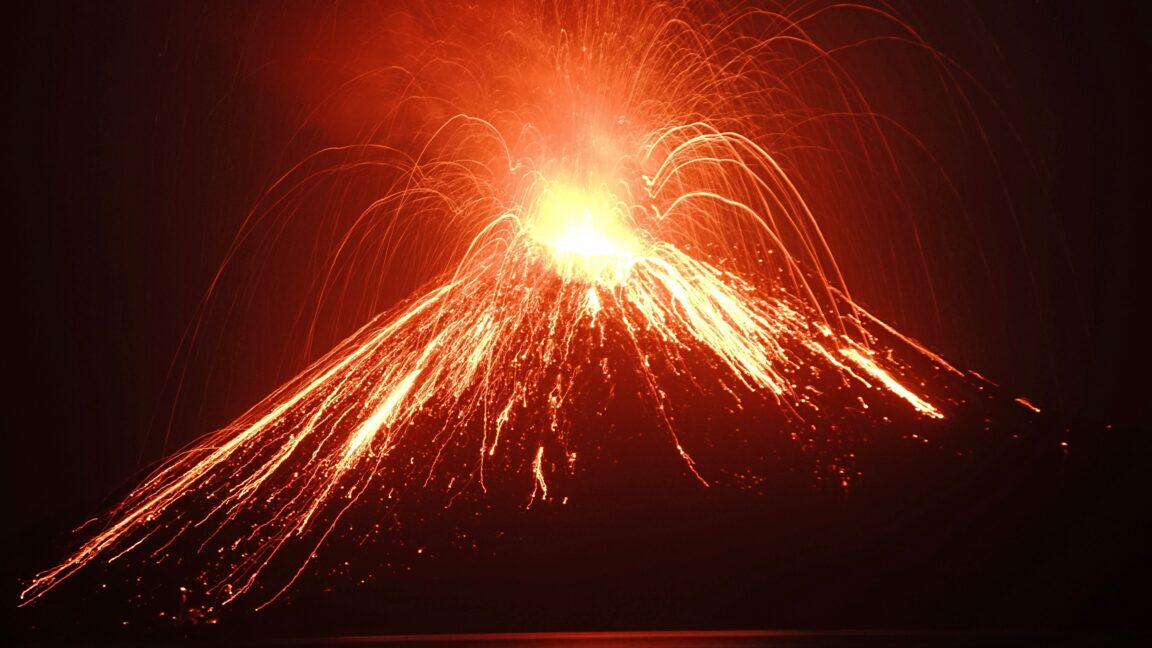
On Monday, a telegraph arrived in Singapore informing of the "terrific detonations from Krakatau," an island in the Dutch East Indies. The following day, reports emerged of falling stones, a village in Anjer being submerged, bridges reduced to rubble, boats smashed, and the disappearance of lighthouses. By Tuesday noon, the full extent of the catastrophe was evident: "Where once stood Mount Krakatau, the sea now plays." Within days, the world learned of this disaster.
The eruption that claimed more than 36,000 lives occurred on August 27, 1883, when Krakatau, situated between Java and Sumatra, exploded, wiping out two islands and a substantial portion of a third. The resulting tsunamis wreaked havoc, claiming countless lives.
However, it was the prompt and extensive communication of the era that allowed people worldwide to begin documenting the immediate and long-term consequences of this catastrophic volcanic event. This breakthrough enabled the collection of near real-time data and insights, forming the groundwork for contemporary volcanology.
The aftermath of Krakatau's eruption also shed light on the profound impact of such colossal eruptions on climate, agriculture, and even the trajectory of human history. This monumental event marked the inaugural instance of global documentation of a catastrophic volcanic eruption, forever altering the way we understand and study these natural phenomena.
Written by urgent.news from Ars Technica Science's reporting — not their text. Machine-written — may contain errors; check the original before relying on it.
This story
This is one outlet's version. Read the fullest account.
- Volcanoes that made history arstechnica.com