UCC Explained: What changes for you and what doesn’t
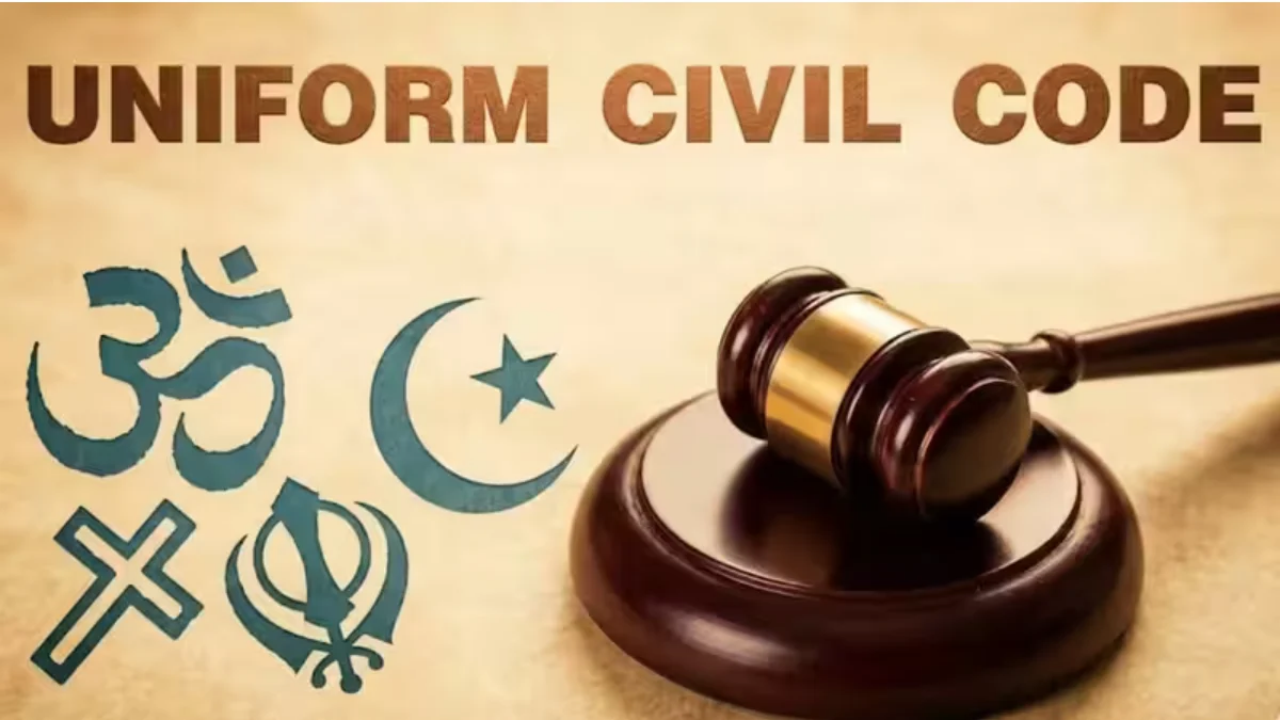
The Uniform Civil Code (UCC) is a complex concept that varies in its impact on different communities in India. While the aim is a single set of civil laws for all citizens, the reality is that its implementation differs significantly based on religious affiliations.
Under the UCC, marriage laws would apply uniformly across the country. For Muslims, this means the prohibition of polygamy, as the UCC would require individuals to prove they are not already married before entering a new marriage. This change is significant as Muslim personal law traditionally allowed a man to have up to four wives. However, for Hindus, Christians, Sikhs, and Parsis, the UCC's monogamy provision doesn't represent a major shift since their existing laws already prohibit polygamy.
Inheritance is another area where the UCC's impact varies. Many believe the UCC would provide daughters equal inheritance rights. However, Hindu daughters already enjoyed equal coparcenary rights under the 2005 amendment to the Hindu Succession Act. Muslim daughters too had a legal right to inherit, but not an equal share as sons.
The UCC doesn't create new inheritance rights; it replaces community-specific systems with a common statutory framework. For Hindus, the UCC essentially consolidates the existing equal inheritance rights of daughters with a unified approach to intestate succession. For Muslims, the UCC would shift from their existing rules, where daughters inherit according to Muslim law, to a common framework determining heirs and shares.
Written by urgent.news from Times of India's reporting — not their text. Machine-written — may contain errors; check the original before relying on it.