The US Army is training AI agents to work alongside human forces in 'work roles'
The US Army is training AI agents for specialized cyber roles while human personnel retain control over operational risk and decisions.
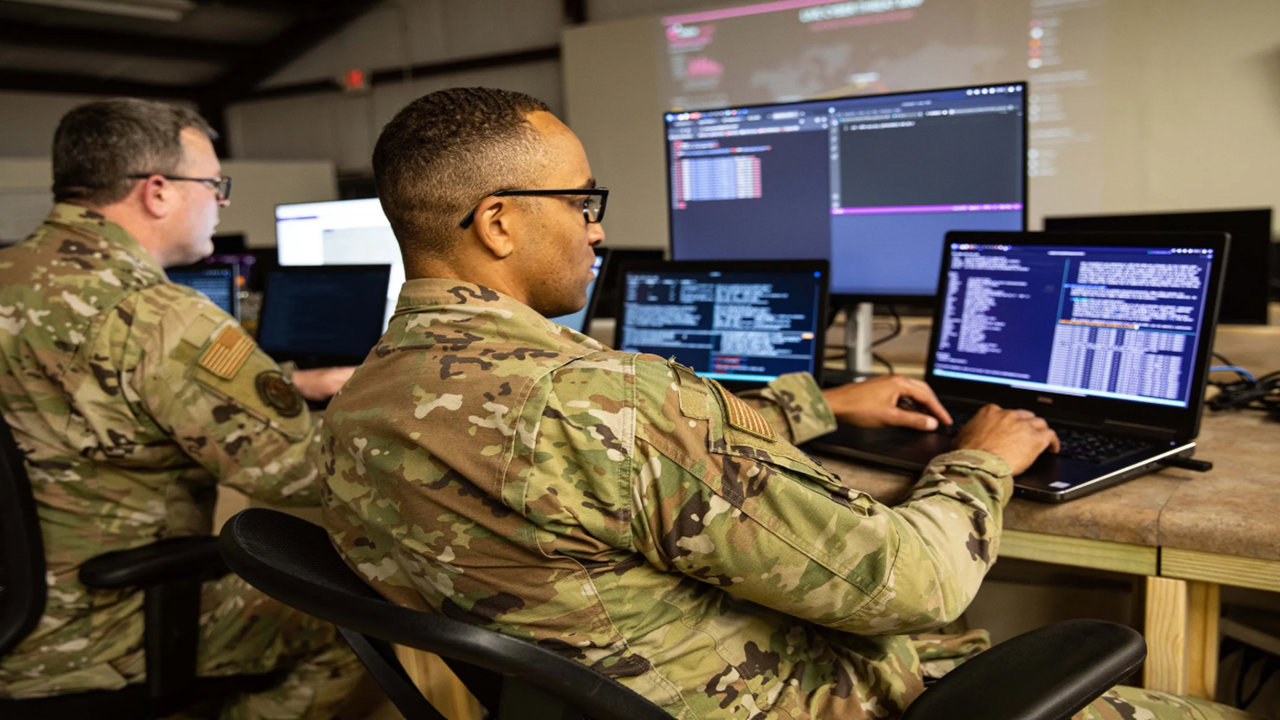
The U.S. Army is training AI agents to collaborate with human forces in cyber-related work roles, according to Army Cyber Command (ARCYBER). These systems are being prepared to perform technical duties alongside personnel, while humans retain ultimate responsibility for risk-related decisions. Lt. Gen. Christopher Eubank, commander of Army Cyber Command, stated that each agent is trained in a specific work role within the cyber force, such as developers, data engineers, host analysts, and exploitation analysts.
These agents undergo standards comparable to human personnel before being assigned missions under supervision. The training process involves rigorous evaluation, with agents needing Job Qualification Readiness approval for operational tasks. Task Force Lexington, responsible for overseeing ARCYBER's artificial intelligence programs, has a small team of about 10 experts that handles the agents' training and technical requirements.
Recently, this team received additional technical training from senior engineers at the Defense Innovation Unit. While AI agents are already utilized for tasks like network hunting and cybersecurity risk management, the Army has not authorized them to independently assume operational risks during missions. Instead, humans maintain control, assessing mission safeguards and delegating tasks to AI when appropriate.
Lt. Gen. Jeth Rey, Deputy Chief of Staff, G-6, emphasized that the Army currently operates and defends its network at human speed, as adversaries perform at machine speed. The Army's strategy involves combining faster automated cyber activity with human oversight to maintain control over critical military functions, including communications, movement, and daily operations.
Written by urgent.news from TechRadar's reporting — not their text. Machine-written — may contain errors; check the original before relying on it.