The Swiss watchmakers who accidentally built the world’s most eccentric camera
This classic Alpa camera featured two completely different ways to focus
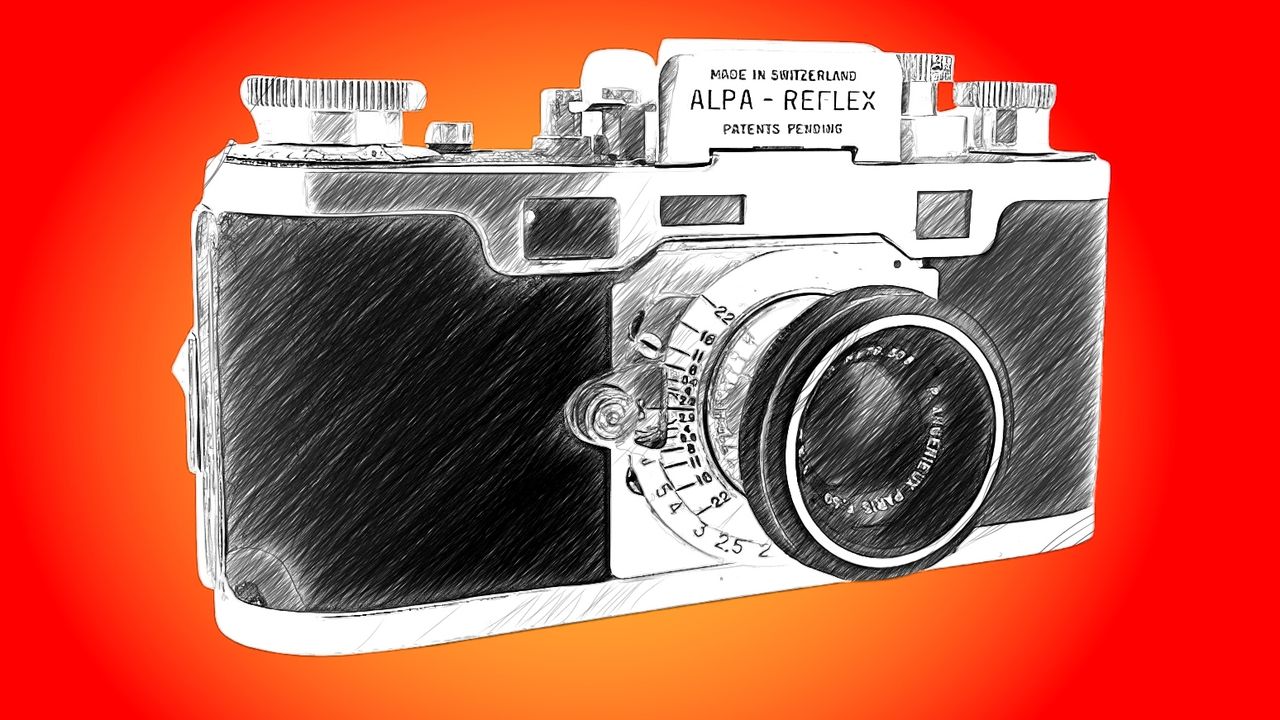
The Alpa Reflex 1, commonly known simply as the Alpa Reflex, is an extraordinary early 35mm single-lens reflex camera that originated in Switzerland in the late 1930s. It was the brainchild of Pignons SA, a renowned watch component manufacturer, who sought to diversify into photographic equipment. To achieve this goal, they commissioned a Polish-born engineer, Jacques Bogopolsky, to design a compact 35mm reflex camera.
Bogopolsky, who was famed for designing the famed Bolex H16 movie camera, was already known by various names, including Jacques Bolsky, Jacques Boolsky, and later Jacques Bolsey.
The Alpa Reflex's development began to take shape in 1939, just as Europe was plunged into World War II. The first prototypes emerged between 1939 and 1942, bearing experimental names such as Bolca, Teleflex, and Viteflex. These prototypes were primarily for testing purposes, with only a handful being exported. By the end of the war, the team settled on the Alpa name, which evoked the image of Switzerland.
The Alpa Reflex was officially introduced at the Swiss Trade Fair in April 1944, earning praise for its beautifully machined and compact design.
What set the Alpa Reflex apart was its innovative combination of two focusing systems, a waist-level finder along with a coupled optical rangefinder with its separate bright-line viewfinder. This unique configuration was retained until the Alpa 6 was introduced in 1956. Additionally, the camera featured a split-image focusing aid, effectively eliminating the need for a separate rangefinder.
While some other manufacturers had direct viewfinders, the Alpa Reflex was unique in its paired rangefinder system, catering to those who preferred ground glass focusing.
Written by urgent.news from Digital Camera World's reporting — not their text. Machine-written — may contain errors; check the original before relying on it.