The science of grip: Why chalk and straps add kilos to your lift
Strength is not always the first thing to fail during a heavy lift. Often it is the connection between your hands and the bar. Once the bar starts slipping, your body instinctively eases off, even if your back and legs still have plenty left. That is why experienced lifters pay close attention to grip. Small changes in friction and hand position can make a noticeable difference to performance,…
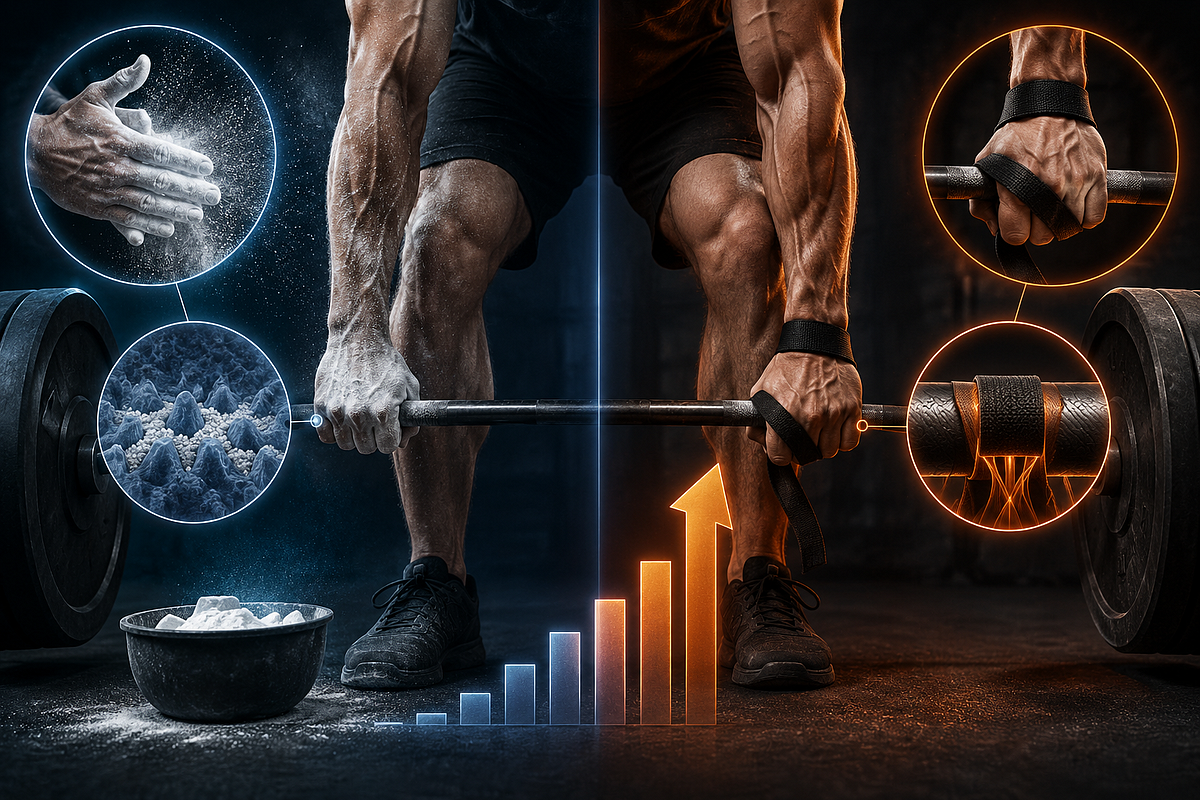
When performing heavy lifts, it is often not raw strength that gives out, but rather the connection between a lifter's hands and the barbell. As the bar slips, instinctive caution can cause a lifter to reduce effort, even if the lower body is still capable. Grip strength relies on the muscles closing the fingers and the friction between the hand and the bar.
Sweat significantly reduces friction, making a lift feel heavier than it should. Two key tools address this issue: chalk and lifting straps. Chalk, typically magnesium carbonate, absorbs moisture from hands, preventing slipping. Lifting straps wrap around the bar, reducing the effort fingers must exert, allowing larger muscle groups to continue working when grip strength wanes.
Wrist wraps are distinct from these, supporting wrist stability during pressing movements without directly enhancing grip. Choosing the right chalk involves selecting liquid chalk for gyms that prohibit loose chalk, as it dries quickly with less mess. Lifting straps should have durable stitching and comfortable wrist padding. Grip trainers, while useful, do not replace chalk or straps; they specifically strengthen hands over time.
Combining these accessories can address different aspects of grip strength, leading to improved performance.
Written by urgent.news from Gulf News's reporting — not their text. Machine-written — may contain errors; check the original before relying on it.