The Iran war could last ‘deep into 2027’ as the Strait of Hormuz isn’t that closed, allowing more oil to leak out—but major escalation is likely soon
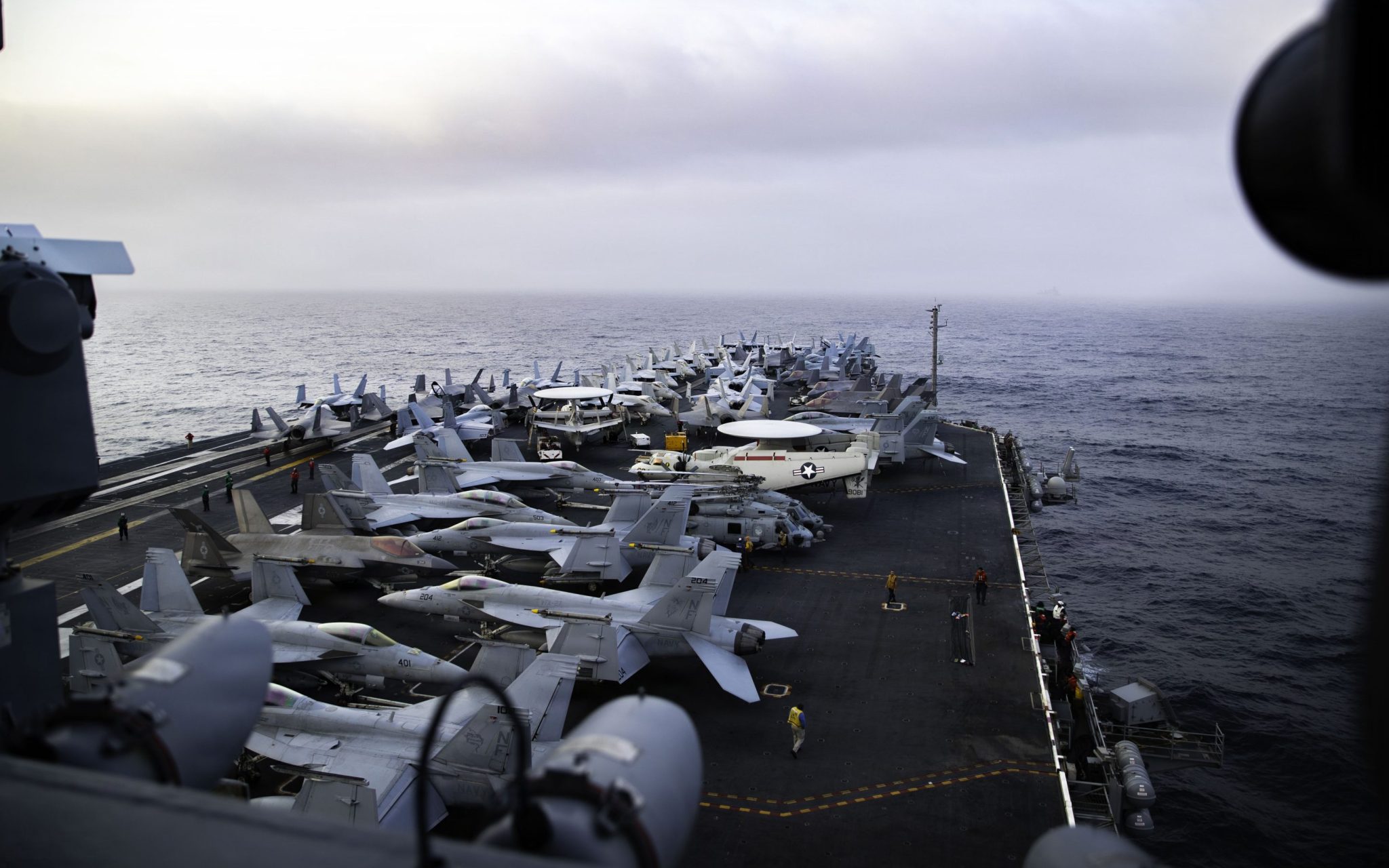
The ongoing Iran war may stretch "deep into 2027" as the Strait of Hormuz remains partially open, permitting considerable oil flow, according to industry experts. Iran claims control over the narrow waterway, which once saw 20 million barrels of oil daily, but the U.S. and Israel have disputed this. The Trump administration maintains that the U.S. military facilitated the export of 15 million barrels of oil and products through the strait on a recent Tuesday, with the average daily rate around 8 million.
However, when combining tanker shipments and pipeline exports, the total amounts to roughly 20 million barrels, as reported by Energy Secretary Chris Wright on X.
A recent U.S. military campaign has hampered Iran's radar and maritime surveillance systems, enabling tankers to pass undetected at night without transponders. This has resulted in a daily average of 6-7 million barrels, with weekly peaks reaching up to 10 million barrels. Consequently, significant oil supply is escaping the Strait of Hormuz despite its partial closure.
Nevertheless, a supply deficit persists, compelling consuming nations to rely on reserves, which are nearing critically low levels. The U.S. naval blockade hampers Iran's oil exports, yet the leakage from the Gulf extends the duration of the war, as neither side feels urgency if oil output remains modest, and Iran can sustain its regime.
The current situation resembles a "managed disruption," characterized by a partial Hormuz blockade, sporadic military confrontations, and escalating threats. However, prolonged periods of crisis could arise due to Iran's deteriorating economy, further weakening its regime. The U.S. midterm elections present an opportunity for Iran to exploit oil price spikes, potentially fueling discontent among Republicans and prompting a U.S. retaliatory response.
Until then, Trump may continue the blockade, hoping for a favorable oil price outcome below $90-$100 per barrel. Should oil exceed $105-$110 per barrel, the U.S. might resort to force or further weaken Iranian offensive capabilities. Esfandyar Batmanghelidj, founder and CEO of the Bourse & Bazaar Foundation think tank, posits that Trump's economic pressure strategy has eliminated the distinction between economic warfare and military conflict for Iran's leadership, emboldening Tehran to pursue an aggressive approach, believing they can "go on the offensive" if they can inflict enough damage, prompting Trump's return to the terms of the Memorandum of Understanding.
Written by urgent.news from Fortune's reporting — not their text. Machine-written — may contain errors; check the original before relying on it.