The humble balloon has an environmental problem — these scientists think they have a fix
LONDON, Aug 24 — A global symbol of parties and celebrations but an environmental headache, the humble balloon is...
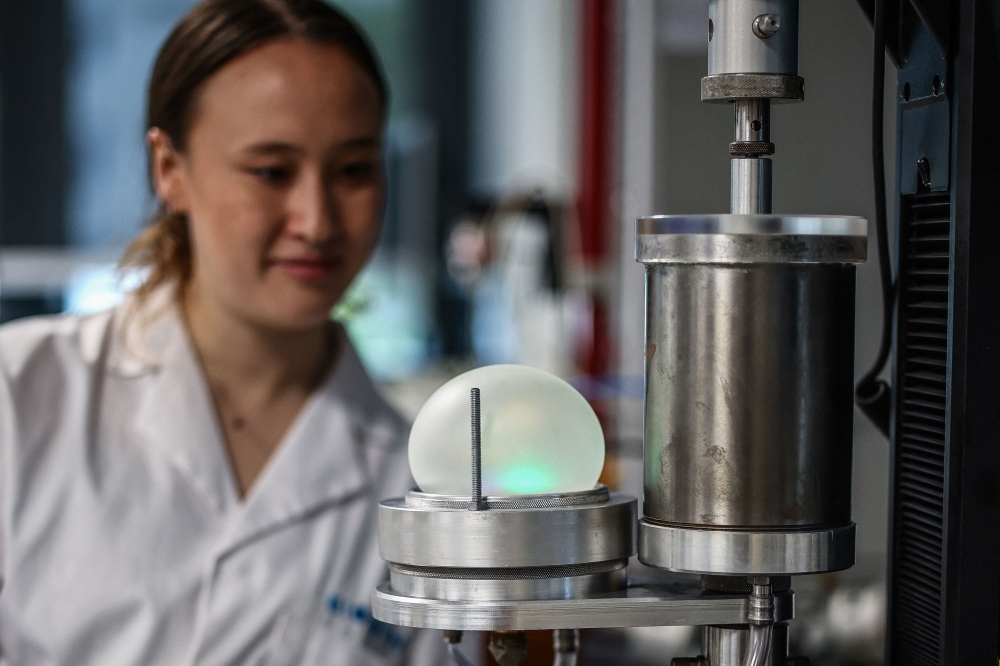
LONDON, Aug 24 — A global symbol of parties and celebrations, the humble balloon has a hidden environmental problem. Researchers at Imperial College London have developed the first fully biodegradable balloon, the "Bioloon," which they hope to bring to market within two years. Led by PhD student Juliana Cumming, the team proudly demonstrated the Bioloon, made from a 100% biodegradable material that breaks down completely within nine months, unlike traditional balloons.
The inspiration for the Bioloon came from an events entrepreneur, Charlotte Melia, who was concerned about the waste generated by balloons used in parties. She and her associate invested £30,000 to fund Cumming's doctoral research. Traditional balloons, despite being advertised as breaking down, actually take hundreds of years to degrade, posing significant risks to marine life and birds.
Imperial College estimates that between 20 and 25 billion balloons are purchased worldwide each year. The Bioloon maintains its soft, elastic texture by blending natural latex with a biodegradable polymer, eliminating the additives that prevent biodegradation in conventional balloons. The biodegradable balloon can inflate just as easily as its traditional counterpart.
Melia envisions the technology's potential extending beyond party decorations, with applications in everyday and medical products.
Written by urgent.news from Malay Mail's reporting — not their text. Machine-written — may contain errors; check the original before relying on it.