The Bank of Canada’s worried about the rise of private credit. Here’s why
The concern revolves around private credit, which doesn't have a universal definition but broadly involves businesses taking out loans from non-bank lenders.
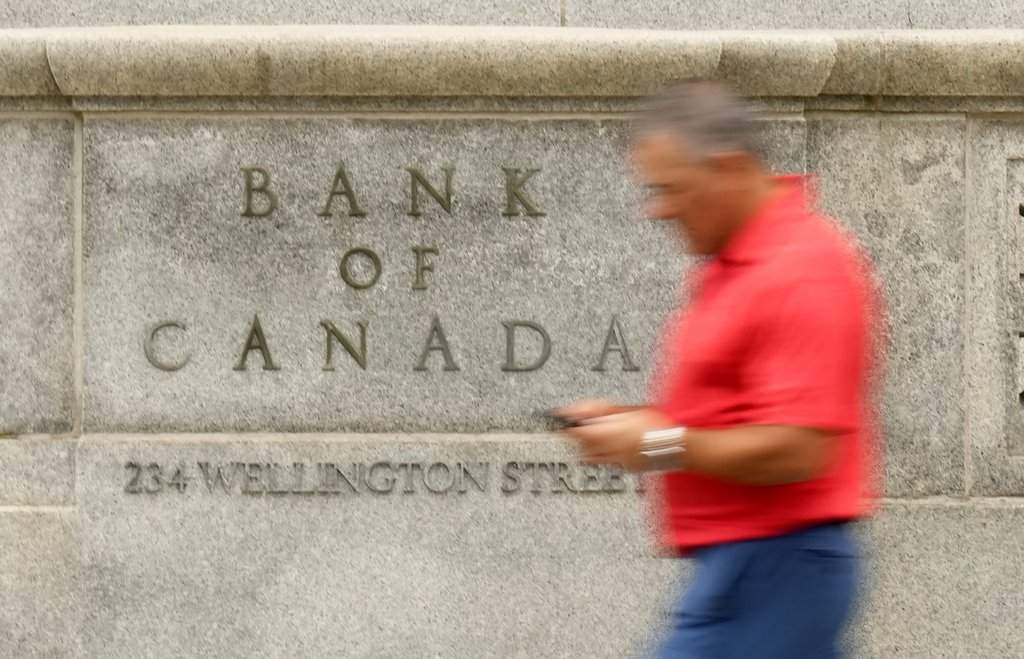
The Bank of Canada is keeping a close eye on the growth of private credit, which is an alternative financing model that has exposed Canadian investors and banks to half a trillion dollars in loans that are largely opaque. Private credit refers to businesses borrowing money from non-bank lenders such as asset managers, insurers, and pension funds. While the use of private credit by Canadian businesses is still limited, its rapid adoption worldwide has raised concerns due to high-profile bankruptcies.
The Bank of Canada highlighted this issue in its 2026 financial stability report in May, and economists at the central bank released a paper last week to explain why private credit deserves attention. The report found that the share of loans from non-banks to Canadian businesses has remained stable at around 15 percent over the past decade, indicating that private credit has not replaced traditional funding sources.
Despite this, Canadian firms are not taking out private loans en masse but are often underwriting them. As of the beginning of the year, the bank estimates that there was a combined $500 billion in private lending by Canadian investors and banks lending to private credit funds, with most of the activity occurring in the United States.
Most private lending in Canada comes from life insurers, pension funds, and asset managers, while banks' exposures to private credit are considered low-risk. The Bank of Canada initially deemed private credit risks manageable but still believes it is a space worth watching due to the lack of transparency and complex structures in the industry.
Concerns also arise from the potential impact of a downturn in the private credit market, as it could affect Canadian investors and business lending in the domestic economy. High-profile bankruptcies, like that of First Brands Group, a Texas-based auto parts manufacturer, have further fueled worries about the fragility of private credit.
Written by urgent.news from Global News's reporting — not their text. Machine-written — may contain errors; check the original before relying on it.
This story
This is one outlet's version. Read the fullest account.