Sumit Sarkar (1939-2026): Historian, constant rebel whose work reshapes the future
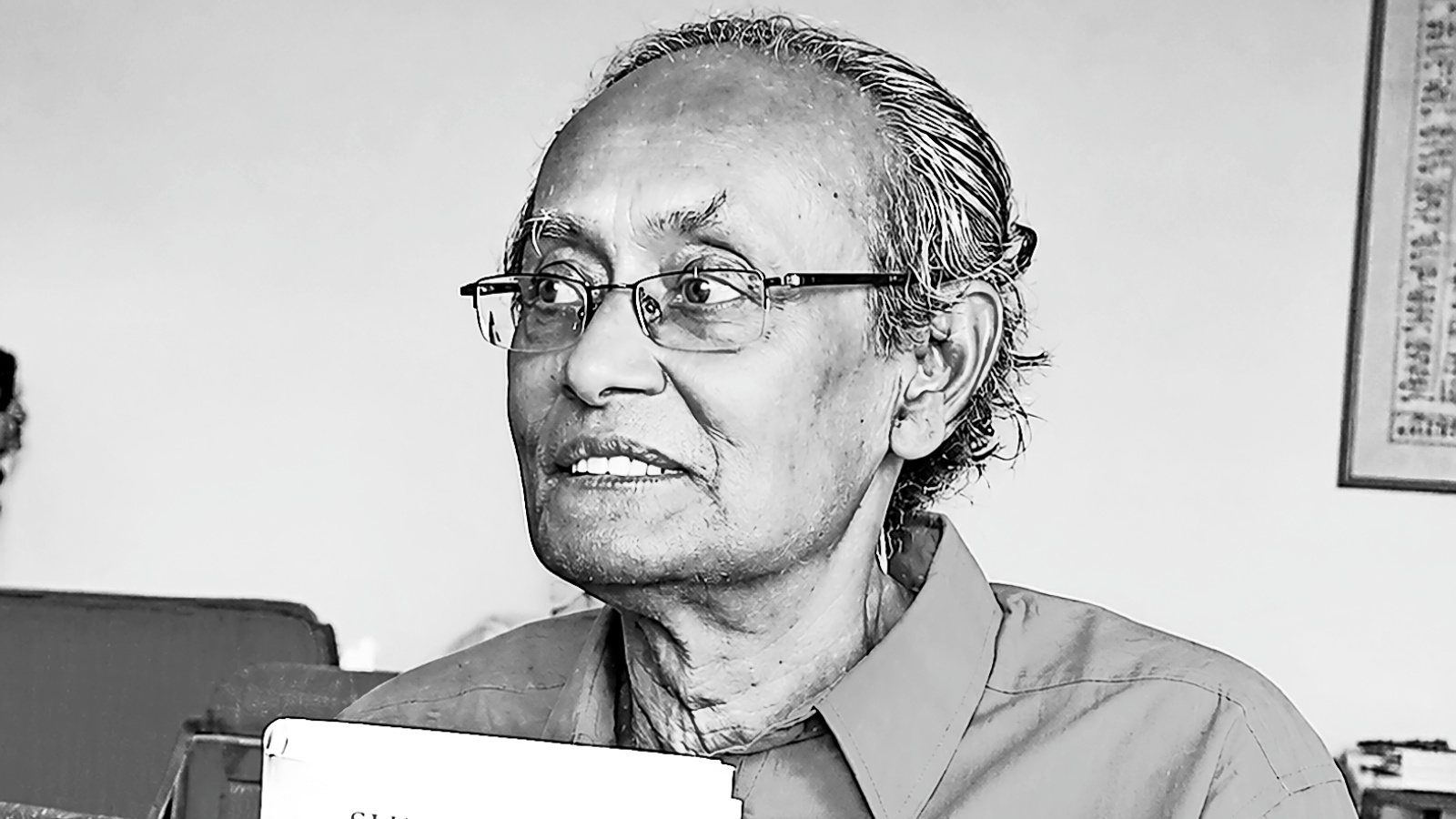
Sumit Sarkar, a prominent historian and rebel, passed away on August 13, 2026, at the age of 87. Born in Calcutta in 1939, Sarkar grew up in a family immersed in literature and debate. His father was a celebrated Marxist historian, and his uncle was the renowned statistician PC Mahalanobis. Sarkar’s academic journey was almost predetermined, but he chose to rebel by critically examining the Bengal Renaissance, a move that led to accusations of betrayal from his father’s Communist Party of India (CPI) connections.
Despite this, Sarkar’s influence on modern Indian history is undeniable. He co-founded the Subaltern Studies Collective in the late 1970s, a group that aimed to recover the voices of ordinary people, peasants, workers, and tribal communities in Indian history. His first book, The Swadeshi Movement in Bengal, 1903-1908, revolutionized the narrative of Bengal’s anti-colonial revolt by focusing on the everyday experiences of those involved, rather than the prominent leaders.
This approach laid the groundwork for Subaltern Studies, which was officially launched in 1982 with the publication of the first volume in the series. Sarkar’s contributions extended beyond Subaltern Studies. He authored Modern India, 1885-1947, a book that became a staple in Indian classrooms, and later focused on the economy, environment, and culture.
His later works delved into microhistory, revealing the complexities and contradictions often overlooked in grand historical narratives. Sarkar’s legacy is not just in the books he authored but also in the minds of generations of students who first encountered modern India through his work. His moral courage was evident in his actions, such as returning his prestigious Rabindra Puraskar literary award in 2007 after police violence against farmers in Nandigram, highlighting the stark contrast between colonial rule and post-independence governance.
Even in death, Sarkar’s work continues to resonate, leaving behind a body of work and an unfinished legacy for historians to explore and complete.
Written by urgent.news from The Indian Express's reporting — not their text. Machine-written — may contain errors; check the original before relying on it.