Startup to use drones to keep clouds away from solar farms, 'Our ultimate goal is to reduce the intensity of severe storms and hurricanes' — chemical-free tech promises up to 30% power boost for $30 to $60 an hour
Meteoric plans to deploy drones and use mechanical action to dissipate low and mid-altitude clouds covering solar power plants. The startup says that it already has a working prototype that cut artificial clouds by 13%, and that its drones are far more economical to fly compared to traditional techniques.
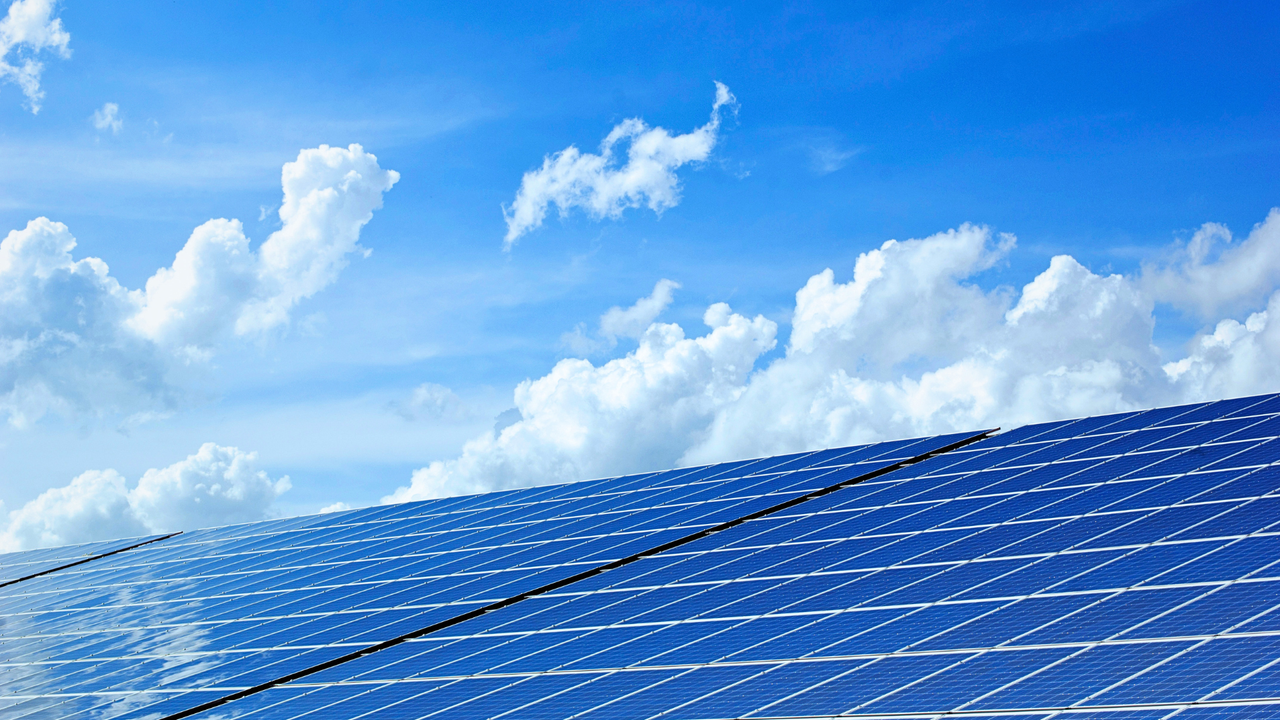
Meteoric, a company founded by two Cambridge University engineers and supported by Y Combinator, is developing drones that will enter clouds near solar farms to dissipate them, aiming to boost power production. CEO Mete Karslioglu explains that these drones will mechanically manipulate water droplets inside clouds, reducing their reflectivity and letting more sunlight reach the panels.
According to their calculations, fleets of 10-100 drones flying through clouds 1-5 kilometers above the ground could potentially increase annual generation from existing assets by 10-30% in major U.S. grid regions, translating to an estimated financial gain of $5,000-$28,000 per MW, all without building any new infrastructure. Karslioglu stated their ultimate goal is to lessen the intensity of severe storms and hurricanes.
Although the specific method for cloud dissipation remains undisclosed, they claim to have a prototype that reduced an artificial cloud by 13% in lab tests. While similar techniques for fog and low clouds exist, they are often costly, with aircraft operations priced at $2,000 per hour or more. In contrast, Meteoric's drones would cost $30 to $60 per hour, making them significantly more affordable.
The company's innovative approach addresses one of the major challenges of solar power, which is the impact of changing weather patterns and day/night cycles on output. Other organizations, including startups and tech giants, are also exploring solutions to this issue. For instance, Reflect Orbital is proposing an orbital mirror to reflect sunlight, while Meta is planning to launch solar-collecting satellites in geosynchronous orbit and beam the sunlight to ground collectors.
However, Meteoric's approach could potentially benefit localized applications, such as solar plant deployments, despite the challenges of scaling up to impact storms and hurricanes. The World Meteorological Organization cautions that weather modification technologies claiming to have large-scale or dramatic effects lack scientific basis and should be viewed with caution.
Additionally, there are concerns about potential unintended consequences on the local ecosystem if weather conditions are altered.
Written by urgent.news from Tom's Hardware's reporting — not their text. Machine-written — may contain errors; check the original before relying on it.