South Koreans ‘intoxicated by stocks’ swarmed market frenzy – and lost everything
It was a vision to give South Korea a stock market that reflected its true economic dynamism, by shedding regulatory taboos and encouraging bolder bets – instead, it created an investor trauma that could take years to shake. The 30 per cent decline in the Kospi benchmark since its June 19 peak has hurt President Lee Jae Myung’s government politically and turned the spotlight on an economic system…
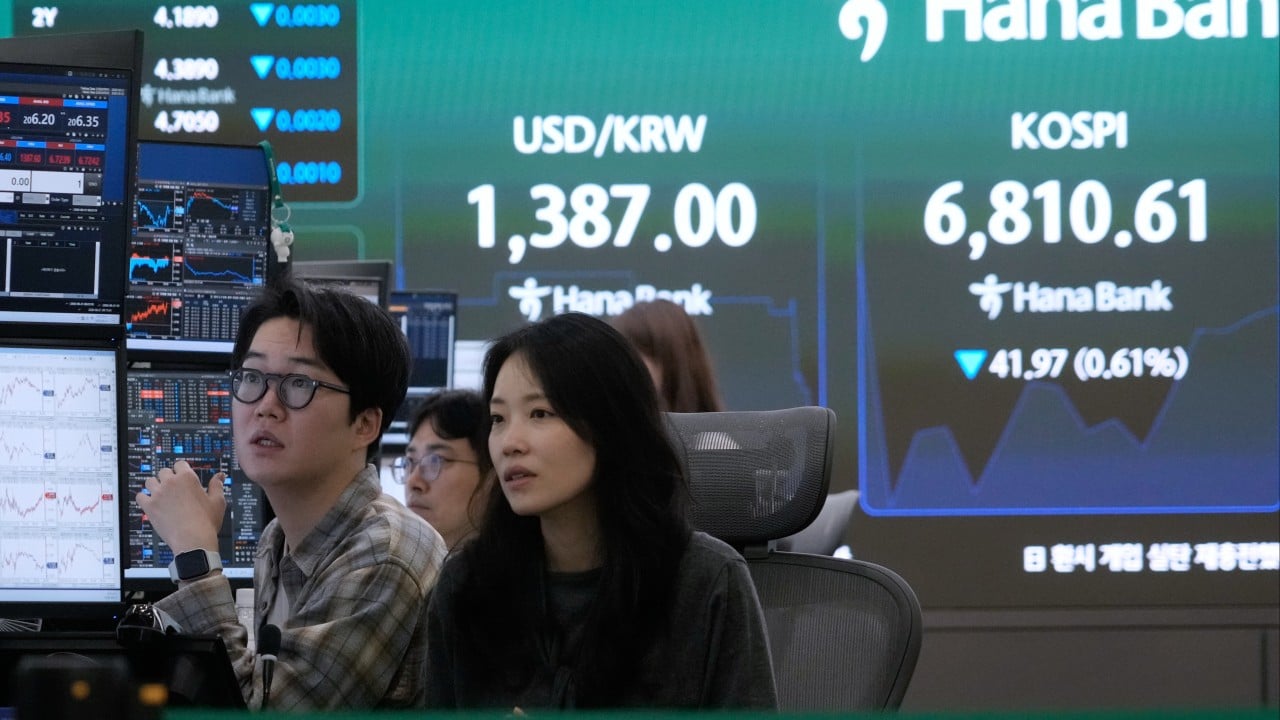
South Koreans have been swept up in an intense stock market frenzy, leading to a major market crash that has left many investors devastated. The Kospi benchmark fell by 30% since its June 19 peak, causing political turmoil and raising concerns about the stability of South Korea's highly leveraged financial system. The nation's leaders are grappling with the psychological impact of the losses, with rising demand for psychiatric help and reports of violence linked to the market downturn.
President Lee Jae Myung had promised to reduce the market's "Korea discount" by introducing more sophisticated products, including single-stock leveraged exchange-traded funds (ETFs). These products were launched on May 27, despite concerns about investor understanding of the risks involved. Demand for leveraged ETFs surged as South Korean investors sought to capitalize on the global AI boom, which propelled memory chipmakers Samsung Electronics and SK Hynix to become US$1 trillion companies.
The introduction of single-stock leveraged ETFs coincided with a period of heightened market euphoria, as financial influencers and commentators turned investing into a national obsession. Many retail investors, previously excluded from the AI sector's growth, were drawn into the market in search of quick profits. Leveraged ETFs amplified price swings, as investors used margin loans to increase their exposure to the market.
As the market peaked, sentiment shifted, with a spike in the VKospi volatility gauge indicating heightened fear among investors. The fallout from the market crash has had emotional and political consequences, with many South Koreans questioning whether they will ever invest in the stock market again.
Written by urgent.news from South China Morning Post's reporting — not their text. Machine-written — may contain errors; check the original before relying on it.