Secretive, century-old explosives facility approved for expansion
One of four government-run explosive facilities in Queensland, the Bajool reserve has been in action since 1913. There are plans to expand it to meet increased demand from the mining industry.
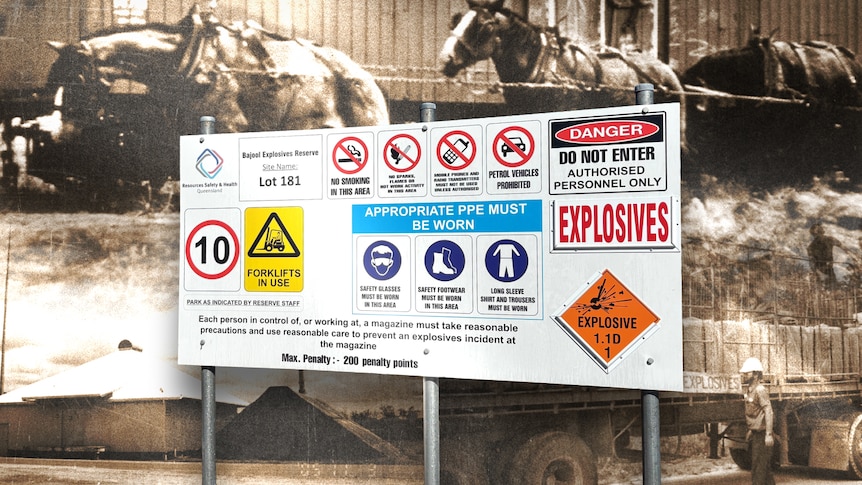
The Bajool Explosives Reserve, a century-old facility in Queensland, has been approved for expansion to meet the growing demand from Australia's mining industry. Established in 1913, this reserve is one of four state government-owned explosives storage sites in Queensland. Located 30 kilometers south of Rockhampton, it primarily stores, manufactures, and disposes of explosives used in the mining sector.
Since 2022, the reserve's land area has expanded by over 600 hectares, with initial work on the expanded section set to commence early next year and become fully operational by 2030. Rob White, the Explosives Director for Resources Safety and Health Queensland, emphasized the reserve's significance not just for Queensland but for the entire country. It serves as a gateway to New South Wales and Western Australia.
The site is highly secure and stores various items, including tens of tonnes of ammonium nitrate, which can be used to create ammonium nitrate emulsion. Despite commercial confidentiality and security concerns, the reserve also handles seized illegal fireworks, outdated ammunition, and flares that are safely destroyed in large incinerators.
The reserve's proximity to the Rockhampton Port, Australia's largest licensed explosives port, adds to its secrecy. Established in the late 1800s, Bajool has been crucial in supporting the mining industry, particularly in regions like Mount Morgan and Blair Athol. In 2022, the reserve's size increased from 300 hectares to over 900 hectares, allowing for the construction of new infrastructure.
The expansion is driven by the increasing demand from the mining industry, driven by the need for critical minerals and the state government's strategy for critical minerals. Initial work on the expanded section will start early next year, with completion expected by 2030. This expansion will create around 50 to 70 direct jobs and potentially up to 120 indirect jobs within the logistics chain once fully operational.
Despite its use during past exercises for the Australian Defence Force, the reserve's primary focus remains the mining industry.
Written by urgent.news from ABC News AU's reporting — not their text. Machine-written — may contain errors; check the original before relying on it.