Portsmouth Village's last male resident sold his island home but never left
Portsmouth Village, an 18th-century settlement, saw its final male resident Henry Pigott live out his life. Pigott sold his ancestral home to the government for Cape Lookout National Seashore. He retained a life estate, allowing him to remain until his death in 1971. After Pigott's passing, the remaining residents departed, leaving the village completely empty. The historic district now serves as…
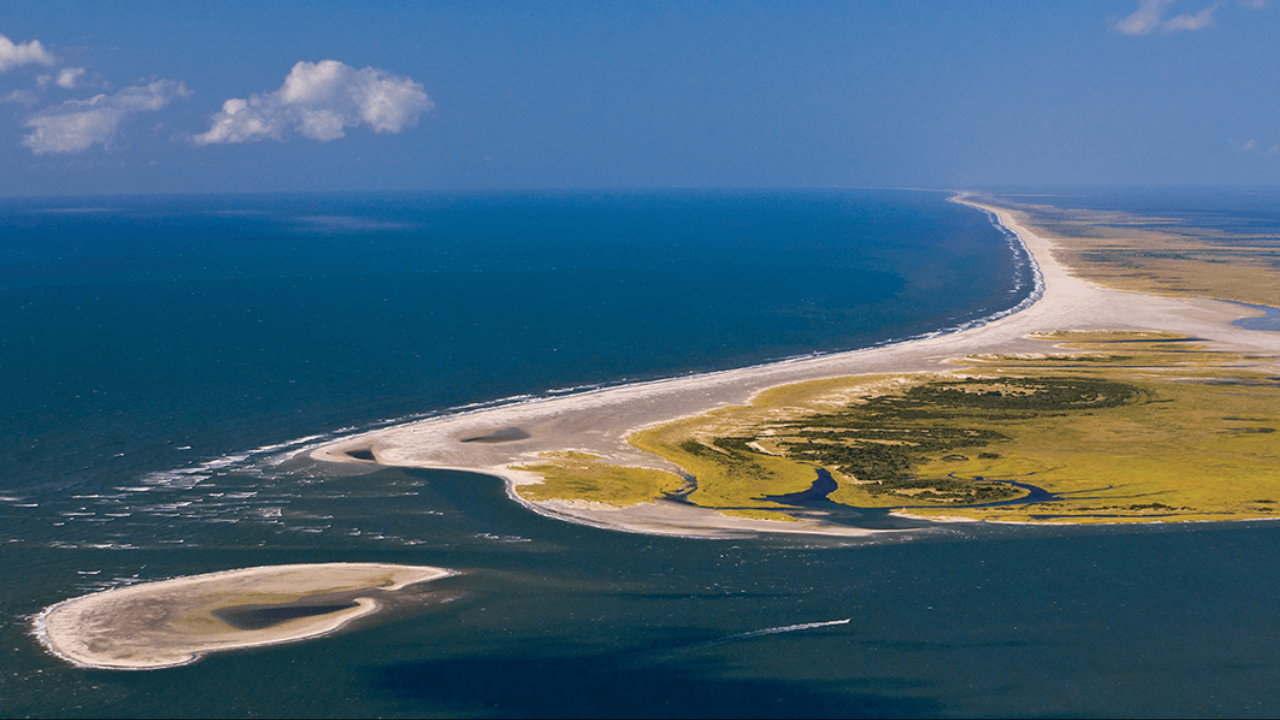
In 1967, Henry Pigott, the last male resident of Portsmouth Village, sold his property on the island to the federal government in order to help create Cape Lookout National Seashore. As part of the deal, Pigott received a life estate, which allowed him to continue living in his ancestral home for the remainder of his life. Pigott, a Black mail carrier, guide and craftsman born in 1896, had lived on the island his entire life, including during the era of slavery.
The life estate deal allowed the government to purchase the land for conservation while ensuring that long-time residents were not removed from their homes. Pigott remained an important figure in the shrinking community during his final years, performing tasks such as delivering mail and supplies, providing help to hunters, carving waterfowl decoys, and checking on the village's other full-time residents, Marian Gray Babb and Elma Dixon.
Upon Pigott's death in January 1971, the two remaining women left the island and Portsmouth Village became the first settlement to be permanently uninhabited in over 200 years. The historic village was later added to the National Register of Historic Places in 1978, and the National Park Service has preserved more than 20 historic buildings, transforming the abandoned village into a living museum of coastal and maritime history.
Written by urgent.news from Times of India's reporting — not their text. Machine-written — may contain errors; check the original before relying on it.