Phoenix cool pavement cut road heat by 12F but raised pedestrian heat exposure
Phoenix has implemented a reflective coating on its roads to mitigate urban heat island effects, effectively reducing asphalt temperatures during daylight hours. However, researchers observed that this treatment inadvertently intensified heat radiation exposure for pedestrians in close proximity. They concluded that incorporating shade from trees and buildings is essential for enhancing human…
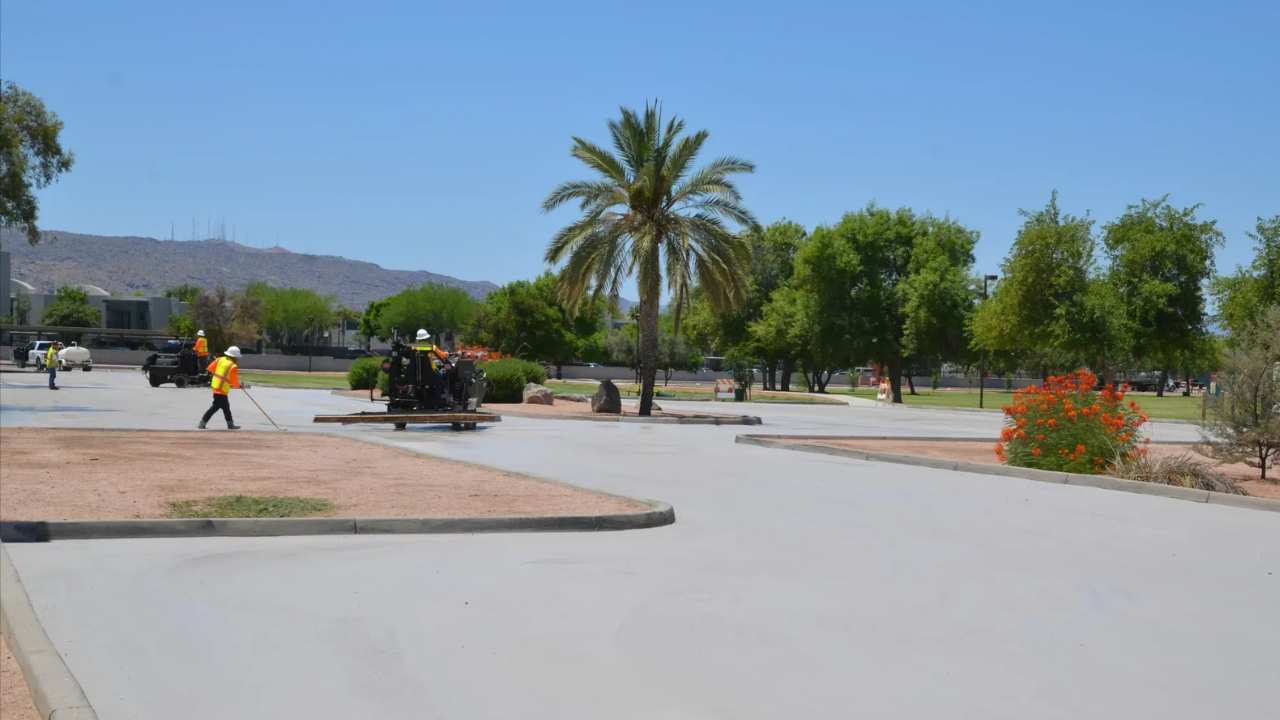
A recent study in Phoenix reveals that while painting roads with reflective, cool pavement can lower temperatures, it inadvertently increases heat exposure for pedestrians. Researchers from Arizona State University examined 36 miles of coated streets and discovered that while road temperatures dropped by 12°F, pedestrian heat exposure rose by an average of 5.5°F during peak daytime hours.
The coating reflected sunlight away from the road, but much of that energy was redirected sideways and upwards, exposing people walking nearby to higher levels of radiant heat. While cooler roads may help reduce urban heat island effects and extend pavement lifespan, the study underscores that addressing extreme temperatures requires a multifaceted approach that includes providing shade through trees, buildings, and other structures.
City officials are using these findings to prioritize areas for reflective coatings and consider additional measures like shade structures to protect pedestrians in Phoenix and other urban centers grappling with rising temperatures.
Written by urgent.news from Times of India's reporting — not their text. Machine-written — may contain errors; check the original before relying on it.