No new H1N1 strain in India, existing vaccines sufficient, says ICMR
Influenza strains currently circulating are well matched with the vaccine strains, and the seasonal flu is self-limiting, ICMR said, adding that people with underlying medical conditions are at risk of complication
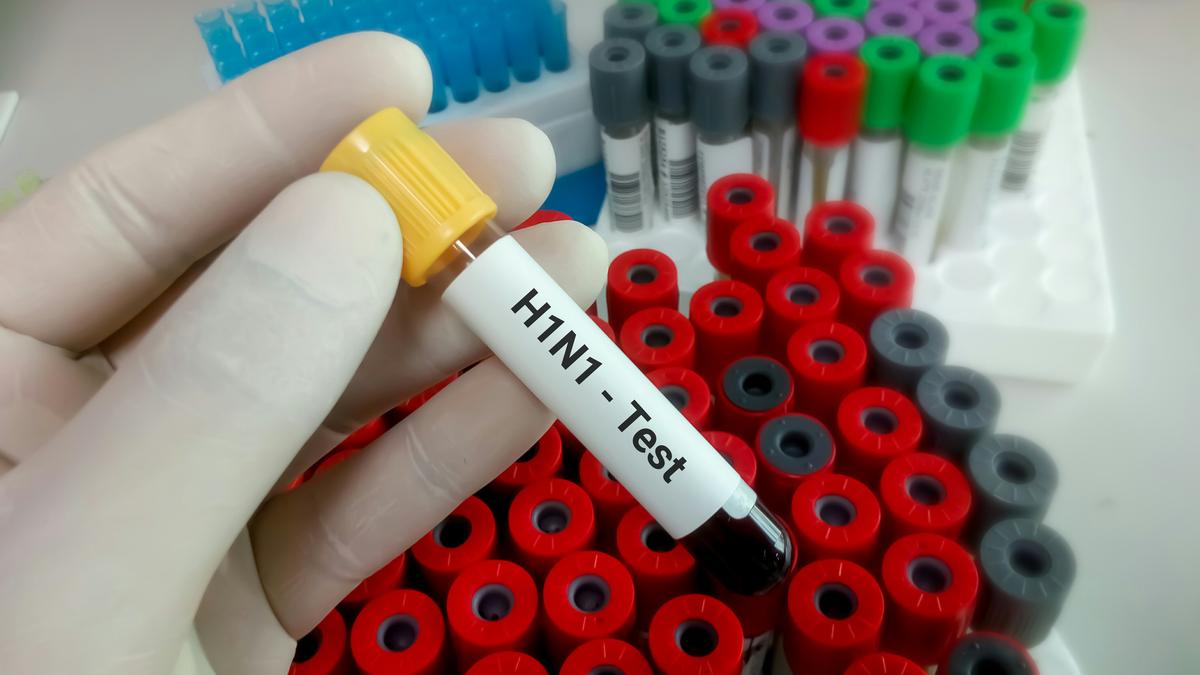
The Indian Council of Medical Research (ICMR) has stated that the current H1N1 viruses circulating in India belong to the A/Missouri/11/2025 (H1N1) pdm09-like virus strain, and no new strain has been identified. The ICMR clarified that there is no need for panic as these viruses belong to clade 6B.1A.5a2a, subclade D.3.1.1, and have been in circulation since 2025. The ICMR stated that seasonal influenza, including H1N1, is mostly self-limiting, and most people recover with appropriate care and rest.
Brief written by urgent.news from The Hindu Health's own syndicated text. Machine-written — may contain errors; check the original before relying on it.
This story
This is one outlet's version. Read the fullest account.
- No new H1N1 strain in India, existing vaccines sufficient, says ICMR thehindu.com
- No cause for panic over H1N1; current strains in circulation since 2025, says ICMR health.economictimes.indiatimes.com
- No new H1N1 strain in circulation, current vaccines effective: ICMR officials hindustantimes.com
- No new H1N1 strain in circulation, vaccines remain effective: ICMR livemint.com