Urgent.News

What's breaking now, across thousands of outlets.

Business

Malaysia decides against $1.9B buyout of passport supplier

The Malaysian government has ruled out a potential takeover of Datasonic Technologies, which supplies the country’s passports and was preliminarily valued at RM7.5 billion (US$1.9 billion).
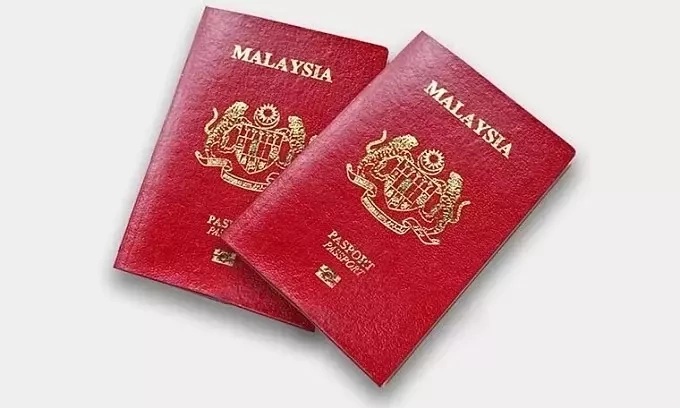
Malaysia decides against $1.9B buyout of passport supplier

The Malaysian government has decided against purchasing Datasonic Technologies for $1.9 billion, according to the National Security Council's statement. The government reiterated its commitment to securing the identities of Malaysian citizens, outlining that the decision would be made through legal, financial, governance, and security frameworks.

Datasonic Technologies supplies passports and identity cards to the Malaysian government until 2032, with the total value of the contracts amounting to around RM2.46 billion. NexG, Datasonic's parent company, informed the bourse after a July meeting with the finance ministry that the government had requested an indicative valuation for a potential acquisition of the wholly owned unit, which was an internal figure and not an independent or agreed transaction price.

NexG's management warned that selling the unit could have a significant impact on its operations, financial performance, and listing status. Both NexG and Datasonic expressed their support for the government's decision, stating that the subsidiary would remain dedicated to maintaining high standards of security, integrity, and reliability.

NexG's statement on Sunday confirmed that the continuation of the raw identity card production contract for Malaysia would allow the company to proceed with its strategic expansion plans domestically and internationally as initially planned.

Written by urgent.news from VnExpress Business's reporting — not their text. Machine-written — may contain errors; check the original before relying on it.


Read the original at e.vnexpress.net →

More in Business

Why China’s Robotics ‘Surpassing Humans’ is Rapidly Evolving ボストン・ダイナミクスが開発した人型ロボット「アトラス」や、ホンダが開発した人型ロボット「ASIMO」といったロボットは、二足歩行や複雑な動作を実現し、人間のように行動する。 Robots such as Boston Dynamics' humanoid robot "Atlas" and Honda's humanoid robot "ASIMO" can walk on two legs and perform complex movements, behaving like humans. 中国では、そんな最先端のロボットが続々と登場している。 In China, cutting-edge robots like these are rapidly emerging. 2021年7月、中国科学院が開発した二足歩行ロボットが、世界で初めて「人間のように歩く」ことに成功した。 In July 2021, a two-legged walking robot developed by the Chinese Academy of Sciences successfully "walked like a human" for the first time in the world. 同年10月には、中国のロボット企業「UBTECH」が、4足歩行ロボット「Goat」を公開した。 In October of the same year, Chinese robotics company UBTECH unveiled its quadruped walking robot "Goat". 2022年6月には、北京で開催された「2022世界ロボット大会」で、2足歩行の人型ロボットが、複雑な動作を次々と披露した。 At the "2022 World Robot Conference" held in Beijing in June 2022, a two-legged humanoid robot displayed a series of complex movements. 中国でロボットが急速に進化を遂げている背景には、どのような事情があるのか。 What are the circumstances behind the rapid evolution of robots in China? ロボット開発で先行する米国のボストン・ダイナミクスや日本のホンダなどは、研究開発に長い年月と多額の資金を投じてきた。 US-based Boston Dynamics and Japan-based Honda, which are pioneering in robot development, have invested a long time and a large amount of money in research and development. 一方、中国は比較的遅くロボット開発に着手したが、近年、政府主導でロボット産業への支援を強化している。 On the other hand, China started robot development relatively late, but in recent years, the government has stepped up support for the robotics industry. 2021年には、科学技術省が「十四五(じゅうしご)」科学技術イノベーション計画のなかで、ロボットの開発を主要な科学技術分野に位置づけた。 In 2021, the Ministry of Science and Technology positioned robot development as a major scientific and technological field in the "14th Five-Year" Science and Technology Innovation Plan.

More from Sunday 23 August →