Licence to savour: Hong Kong craft brewers push for on-site beer permits
When a 100-strong South Korean tour group approached a Hong Kong craft beer manufacturer for a tour and tasting session, the operator declined their request. The refusal was not down to a lack of confidence in the product or a staff shortage. It was regulatory: the brewery simply lacked a licence to serve its beer on the premises. “It is not easy doing manufacturing in Hong Kong,” said Luke…
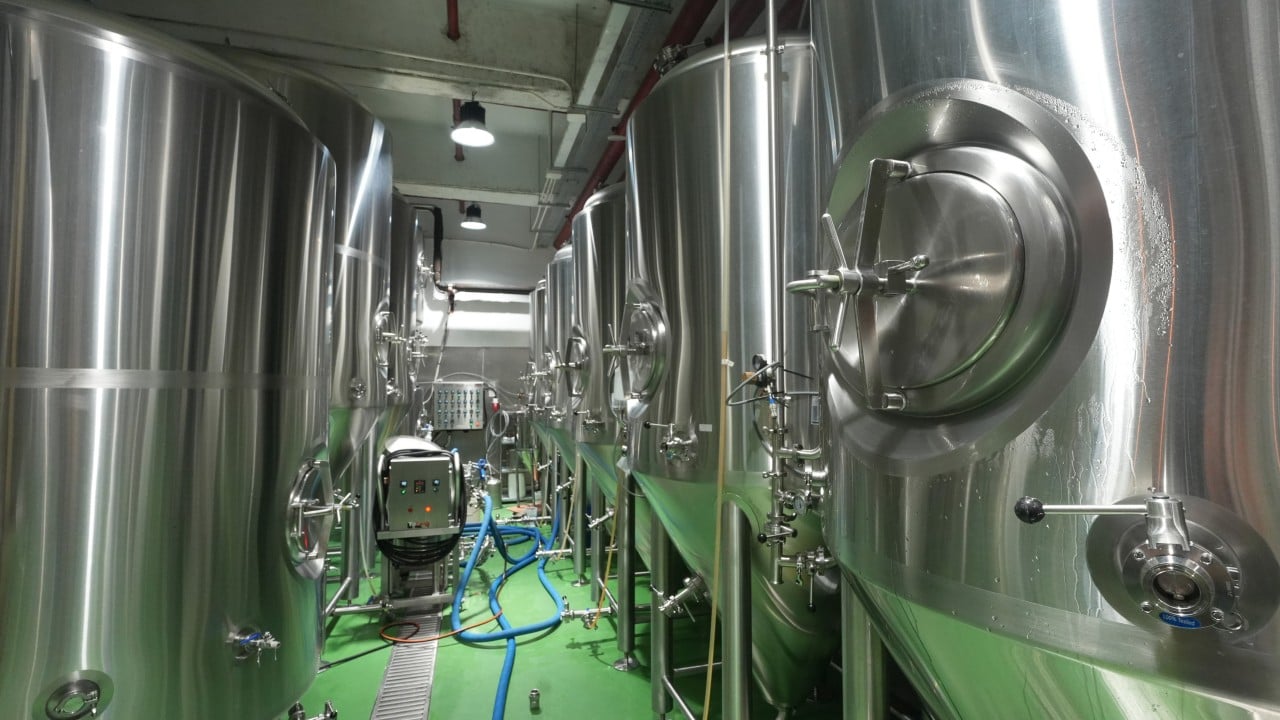
The refusal by a Hong Kong craft beer manufacturer to allow a South Korean tour group to taste their beer on-site was due to regulatory reasons, as the brewery did not possess the necessary licence to serve alcohol on the premises. This lack of a license presents a missed opportunity for craft breweries in Hong Kong, a city home to 15 home-grown craft breweries producing over 30 distinct local beer brands.
Crafting beer in Hong Kong often means operating in industrial buildings under food factory licences to save costs, making it difficult to secure liquor licences typically granted to licensed restaurants and clubhouses. The Food and Environmental Hygiene Department (FEHD) governs the licensing regime, which includes reviewing applications from premises without liquor licences, leading to lengthy approval times due to scrutiny from additional government bodies like the Planning Department and Fire Services Department.
Craft beer enthusiasts and industry leaders believe that a review of the licensing regime could help drive the city's tourism economy by allowing breweries to offer tasting samples on-site, similar to experiences in countries like London, New York, and Dublin. Brewery owners argue that changing the licensing regime to include a dedicated taproom licence could enhance the international publicity of Hong Kong's craft beer brands while promoting tourism, as many visitors would be interested in touring local breweries.
However, authorities warn that introducing a taproom licence regime would come with restrictions on land use and compliance with zoning plans, government lease conditions, and building and fire safety legislation.
Written by urgent.news from South China Morning Post - Hong Kong's reporting — not their text. Machine-written — may contain errors; check the original before relying on it.