Lawsuit alleges Oura ring doesnt accurately track sleep
A new lawsuit against the fitness tracker Oura alleges that the rings can't accurately track sleep.
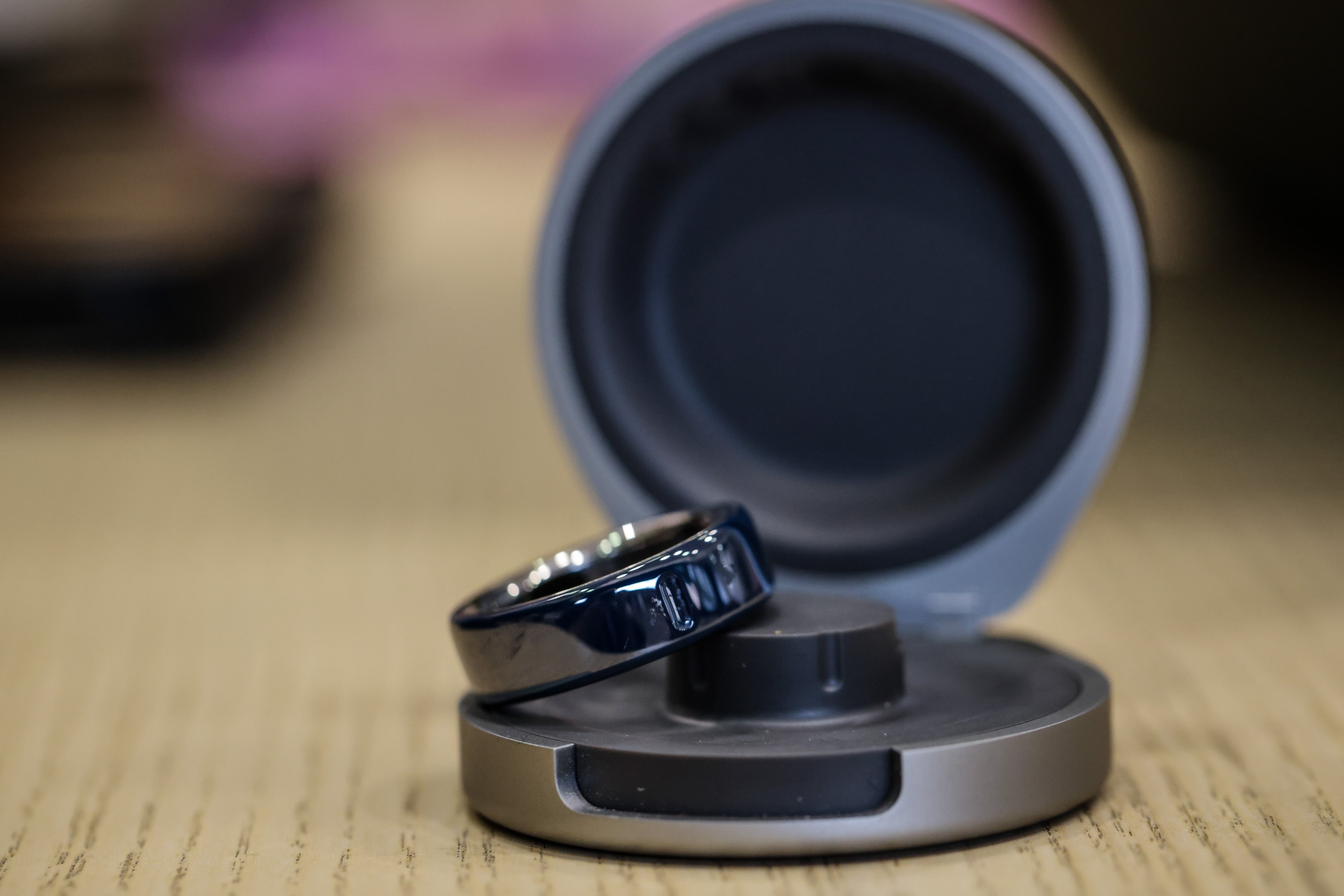
A class-action lawsuit has been filed in the Northern District of California alleging that the Oura Ring fitness tracker fails to accurately track sleep. According to the complaint, the Oura Ring cannot measure brain electrical activity, eye movements, muscle tone, and other signals typically measured through electrodes placed on the scalp, leads on the eyes, and sensors on the chin.
Instead, the lawsuit claims that Oura's AI models make educated guesses based on improper inputs, misleading consumers who struggle with sleep or are concerned for their health. The lawsuit, filed by Clarkson Law Firm and plaintiff Madison Surber, asserts that Oura engaged in fraudulent advertising, unjust enrichment, breach of warranties, and violations of California's Unfair Competition Law, False Advertising Law, and Consumers Legal Remedies Act.
Over 100 class members are seeking monetary compensation totaling over $5 million. Oura has not yet commented on the lawsuit.
Brief written by urgent.news from Mashable's own syndicated text. Machine-written — may contain errors; check the original before relying on it.