I’ve swapped to an induction cooktop from gas — 3 things I love, and 1 thing you need to know
Why I won’t shut up about my new induction cooktop — can I convert you too?
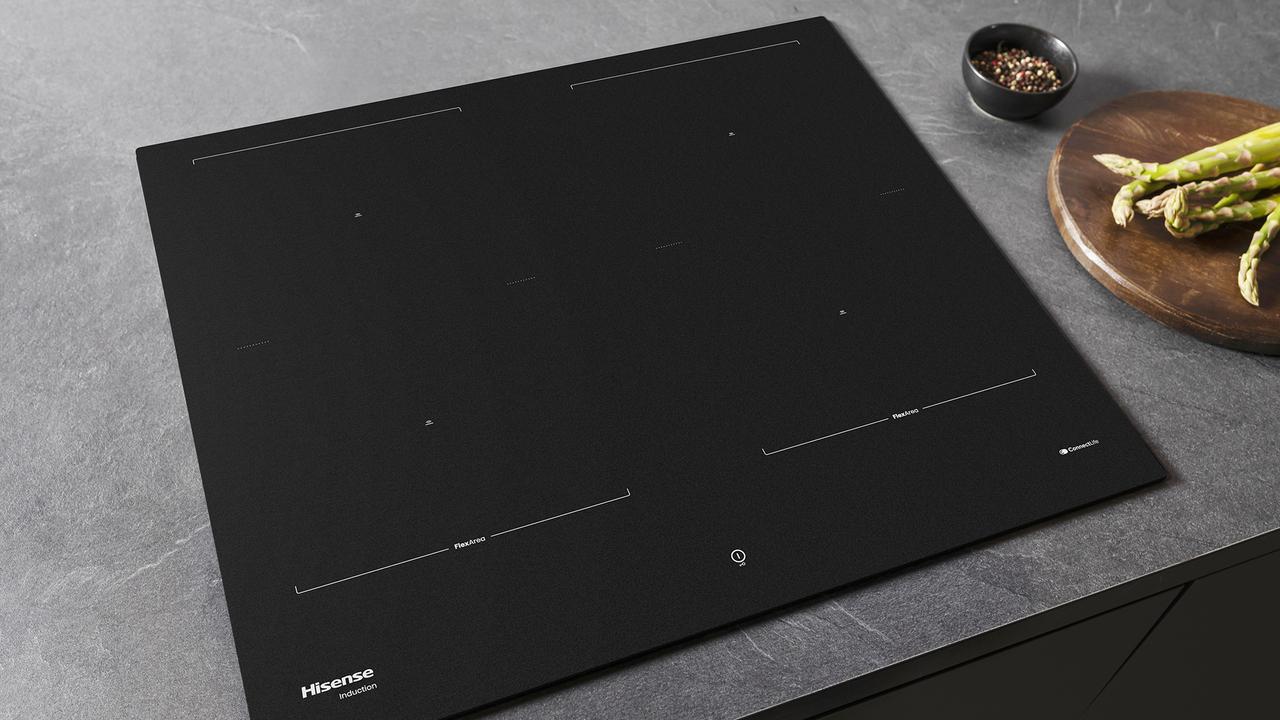
I recently replaced my gas cooktop with an induction cooktop, and I'm thrilled with the results. Over the past week, I've discovered three things I adore and one crucial aspect to consider before purchasing an induction cooktop.
Firstly, I'm impressed by the precision cooking capabilities of induction. During a visit to Smeg's test kitchen, I was initially skeptical about using induction. However, it quickly became clear that this technology offers exceptional control. Unlike gas cooktops, where heating levels required guesswork, induction allows for precise temperature adjustments.
The Hisense Hi8 induction cooktop, which I recently installed, features intuitive controls that make it simple to achieve the exact heat level I desire. Additionally, since the cookware sits directly on the surface, heat loss is minimized, enhancing overall efficiency.
Secondly, induction cooking is incredibly fast. After years of using a gas cooktop, I found myself relying on an electric kettle to preheat pasta water. Switching to induction has drastically reduced the time needed to bring water to a boil. The Hisense cooktop, like others in its class, offers a power boost or 'P' function, which further accelerates heating. This increase in speed has not only benefited me but also caught the attention of my son, who is now fascinated by this modern kitchen innovation.
Thirdly, cleanup is a breeze with induction. The smooth, flat surface of my new cooktop allows for effortless wiping, eliminating the need to scrub around stubborn burners. With its precise heat control, there's a significantly reduced risk of spills or burnt-on residue. Furthermore, the Hisense Hi8 model boasts a matt finish, which helps prevent fingerprints and keeps the surface looking pristine compared to the glossy surfaces of many induction cooktops.
However, there is one important consideration to keep in mind before investing in an induction cooktop: pan compatibility. Unlike gas cooktops, induction requires magnetic cookware to function properly. This means using stainless steel, copper, or cast iron pans. Aluminum pans, common in many kitchens, will not work with induction.
Fortunately, most modern cookware lines now include induction-compatible options. When shopping for new pans, look for the coil symbol, which indicates compatibility. If you're unsure, don't hesitate to ask for guidance – I'm more than happy to help.
Written by urgent.news from Tom's Guide's reporting — not their text. Machine-written — may contain errors; check the original before relying on it.