India faces capital, talent gap in foundational AI race: Menlo Ventures’ Deedy Das
India faces hurdles in building globally competitive foundational AI companies, with top research talent concentrated in San Francisco and limited appetite for large, high-risk investments, Menlo Ventures partner Deedy Das said at The Economic Times World Leaders Forum 2026. He sees stronger opportunities for Indian startups at the application layer.
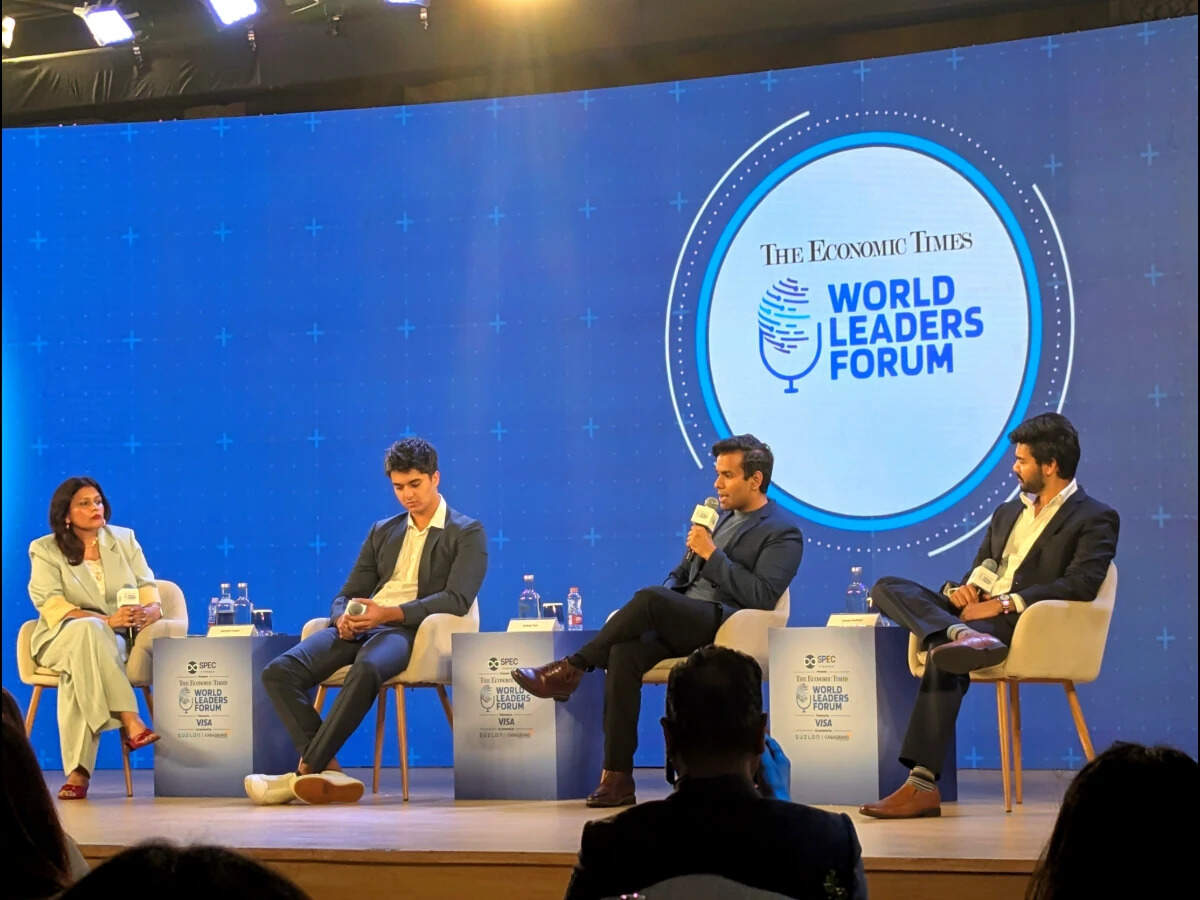
India faces substantial hurdles in developing globally competitive foundational artificial intelligence (AI) companies, according to Menlo Ventures partner Deedy Das. Despite the presence of top research talent in San Francisco, local investors have shown reluctance to make large, high-risk bets at the model layer required for such ventures, Das stated at the Economic Times World Leaders Forum 2026 in New Delhi on August 21-22.
He questioned the reasoning behind a talented individual working at a local AI startup like Sarvam rather than giants like OpenAI or Anthropic, given that joining the latter would have made them worth $100 million three years ago.
Das, a partner at Menlo Ventures, which has been an early investor in Anthropic, highlighted the significant capital needed for competing in foundational models. These companies must heavily invest in computing infrastructure and research before generating revenue. He expressed optimism about Anthropic's prospects as it prepares for a public listing, arguing that its current $2 trillion valuation discussion significantly undervalues the company.
Das used the example of SpaceX, noting its valuation despite not generating comparable revenue. Anthropic filed for a US IPO in June and was last valued at $965 billion after raising $65 billion in May, with its annual revenue running at $65 billion by July, up from $9 billion at the end of 2025.
Das sees stronger opportunities for India at the application layer and in computing infrastructure investments further down the AI stack. The government's IndiaAI Mission, which has selected 20 indigenous foundation-model proposals and subsidized compute for 237 projects, further underscores India's potential in the AI landscape.
This push comes as AI becomes an increasingly important market in India. Tanay Kothari, cofounder and CEO of Wispr, remarked that India has transformed from a low-priority market to one of the primary markets for AI companies. Wispr recently raised $280 million at a $2 billion valuation. Harshit Yadav, founder of Zingroll, emphasized that Indian entrepreneurs could find greater value in AI applications, as technological shifts often see applications hold most of the value when markets plateau.
Written by urgent.news from Economic Times Tech's reporting — not their text. Machine-written — may contain errors; check the original before relying on it.