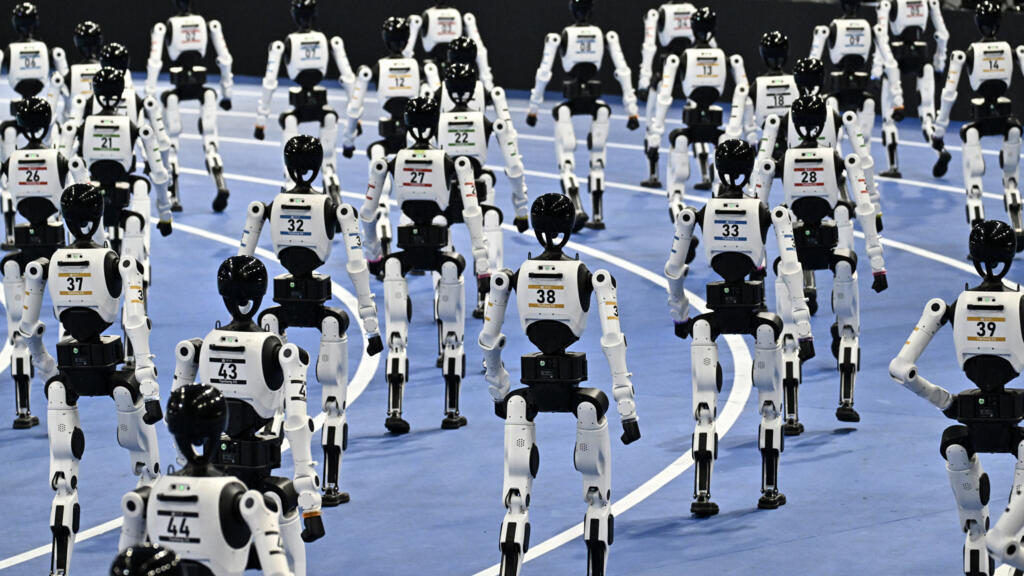
Humanoid robots shatter Usain Bolt's 100m record, hits 23.8 mph before crashing into foam pads — video shows Tiangong Ultra logging 9.39-second sprint before colliding with padded wall
Two robots at the 2026 World Humanoid Robot Games in Beijing beat Usain Bolt's 2009 100-meter dash world record. The Tiangong Ultra set a record of 9.39 seconds, while the Honor Lightning achieved a 9.47 record time, breaking the Jamaican runner's 9.58-second record.
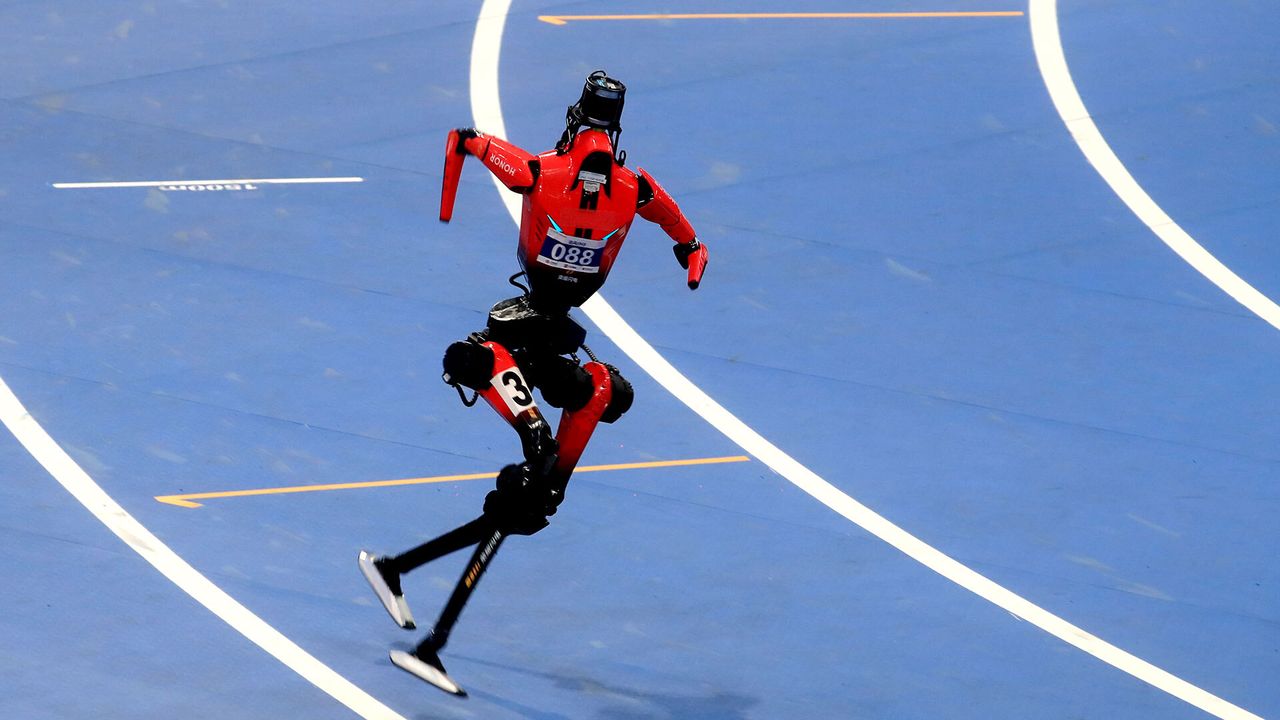
Chinese humanoid robots Tiangong Ultra and Honor Lightning have shattered the world record for the fastest 100-meter sprint, clocking in at 9.39 and 9.47 seconds respectively. These times are 0.19 and 0.11 seconds faster than Usain Bolt's record of 9.58 seconds, set in 2009. The robots achieved an average speed of 23.83 mph, just marginally faster than Bolt's 23.35 mph.
The race took place at the World Humanoid Robot Games in Beijing, where these machines have been competing annually since last year. While the robots' speed is impressive, they lack the agility and finesse of human runners. In the aftermath of the race, Tiangong Ultra and Honor Lightning crashed into foam pads, with the former redirecting itself and the latter losing control and falling.
The five-day event featured 51 competitions, with 2,056 robots registered by 666 teams from 16 countries. Despite their achievements, it is unlikely that these robots will be available for purchase in the U.S. due to the FCC's ban on foreign-made robots.
Written by urgent.news from Tom's Hardware's reporting — not their text. Machine-written — may contain errors; check the original before relying on it.