How to photograph this week's 96% 'blood moon' lunar eclipse on August 27-28
Two weeks after a total solar eclipse comes something else that deserves the attention of astrophotographers in North America, the UK, and Europe
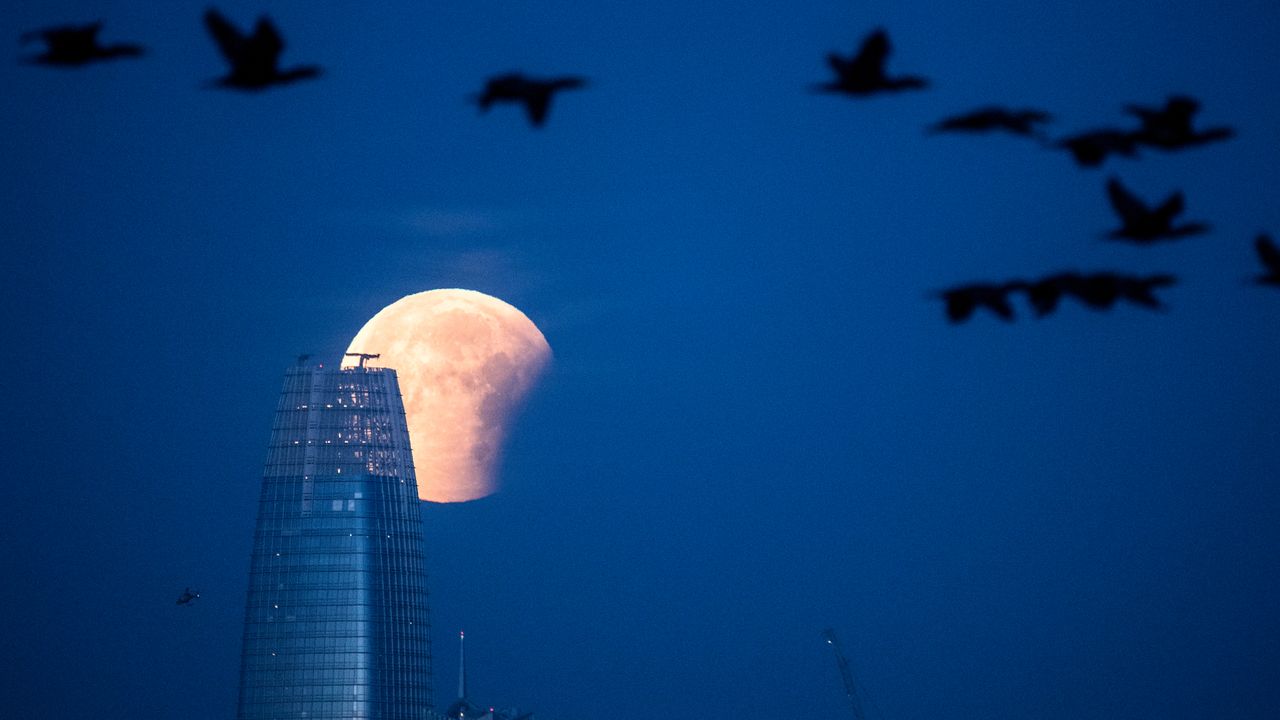
This coming weekend, a rare lunar eclipse will provide a stunning opportunity for photographers to capture a deep partial lunar eclipse. Between August 27 and 28, Earth's shadow will cover more than 96% of the Moon's surface, creating a reddish-orange hue that closely resembles a total lunar eclipse, though it falls short of totality.
For photographers, this event presents one of the best opportunities to capture a lunar eclipse in years, as the next one visible in North America, Europe, and the UK won't occur until June 25-26, 2029.
Unlike a solar eclipse, a lunar eclipse doesn't require special filters, safety precautions, or exact timing. It's perfectly safe to view with the naked eye and unfolds slowly over several hours, giving photographers ample time to experiment and refine their settings.
During the eclipse, the Moon will pass through Earth's umbra, the darkest center of its shadow, blocking sunlight from reaching the lunar surface. The only light that reaches the Moon is refracted through Earth's atmosphere, causing it to appear darkened and reddish due to the scattering of shorter blue wavelengths and the bending of longer red wavelengths. This is similar to what causes red sunsets and sunrises.
From Europe, the eclipse will occur close to moonset, with maximum eclipse occurring shortly before dawn. In North America, the eclipse will occur earlier, providing photographers with an opportunity to view the entire event high up in a dark sky, ideal for close-up lunar photography. For example, in New York, the partial eclipse will begin at 10:33 p.m. EDT on August 27 and reach maximum at 12:12 a.m. EDT on August 28, while in Los Angeles, it will begin at 7:33 p.m. PDT on August 27 and reach maximum at 9:12 p.m. PDT on August 27.
Written by urgent.news from Digital Camera World's reporting — not their text. Machine-written — may contain errors; check the original before relying on it.