How Opatra’s ‘coercive’ tactics in Hong Kong echo global ‘Dead Sea sales scams’
Allegedly aggressive sales tactics and business operations in Hong Kong’s beauty product sector closely mirror the global “Dead Sea sales scams” uncovered years ago, documents on WikiLeaks have shown. The controversy has prompted calls from experts for the city’s government to strengthen regulation by expanding proposed cooling-off period legislation to cover retail beauty goods. A check of the…
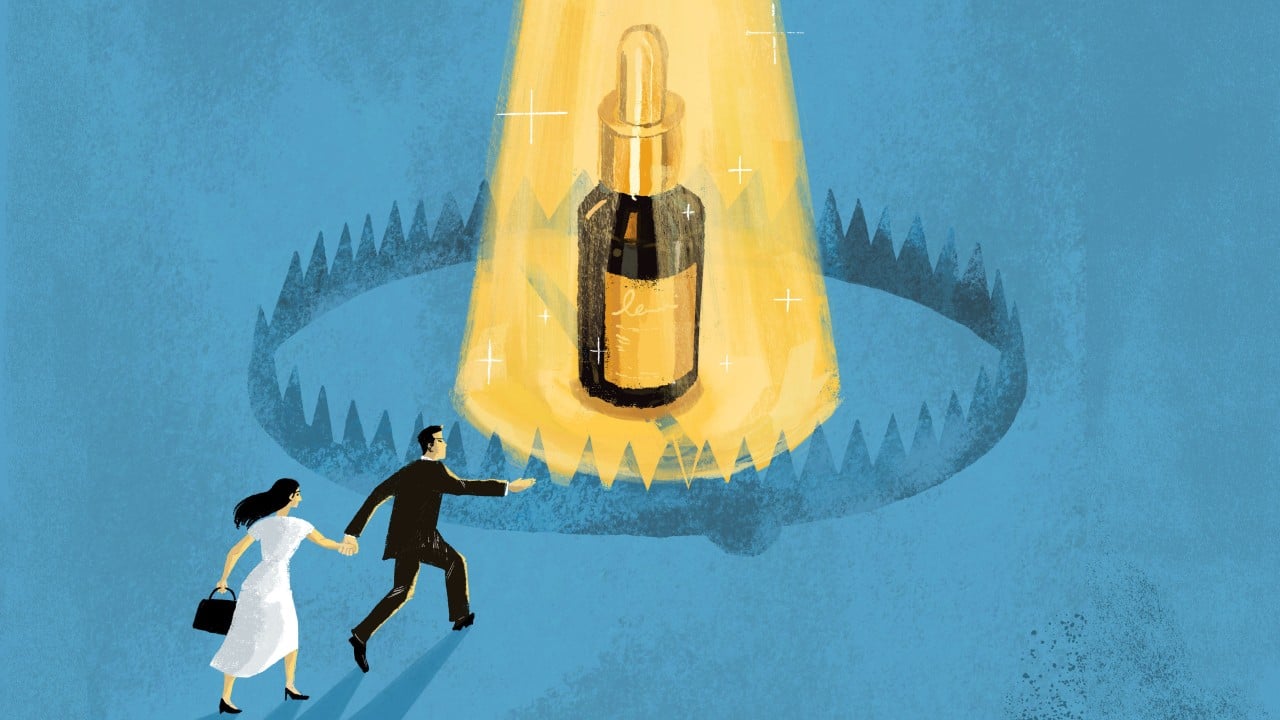
The South China Morning Post reports that aggressive sales tactics prevalent in Hong Kong's beauty product sector closely resemble the global "Dead Sea sales scams" uncovered by WikiLeaks. The controversy has prompted calls for Hong Kong's government to enhance regulation through expanded cooling-off period legislation for retail beauty goods.
The practice has been reported in several countries, impacting customers in the US, New Zealand, Australia, and Europe. The US ambassador to Israel, James Cunningham, revealed in a 2009 diplomatic cable that the billion-dollar Dead Sea products industry involved immigration fraud, illegal labor, money laundering, and worker exploitation, particularly in the United States.
Hong Kong customs recently arrested two staff members from Sayles Retail, the distributor of the Opatra London skincare brand, after a woman alleged she was coerced into paying over HK$60,000 for products. The scandal has led to scrutiny of the industry, with allegations of Israeli directors and a complex network of parent companies and kiosk managers.
Brief written by urgent.news from South China Morning Post - Hong Kong's own syndicated text. Machine-written — may contain errors; check the original before relying on it.