Energy crisis just getting started
The Iran war has pushed the global oil refining industry to the brink, signalling that diesel and petrol prices may remain elevated for years.
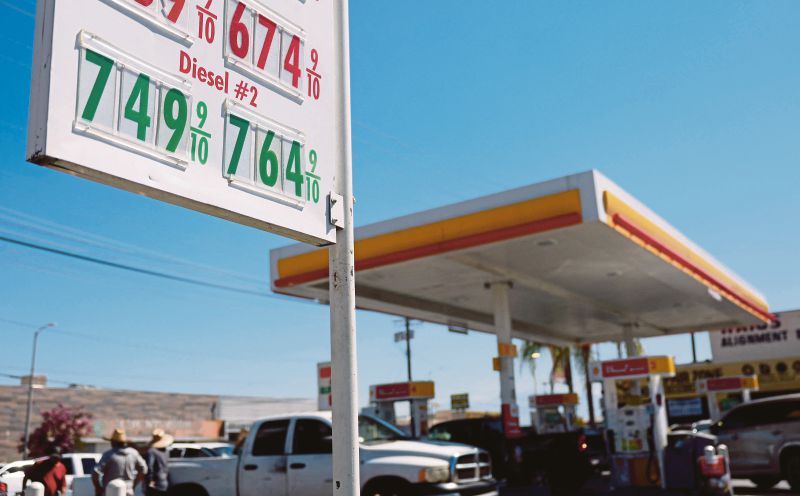
The Iran war is escalating global energy inflation, with diesel and petrol prices set to remain high for years. Global oil refining industry faces severe challenges, with more than 20 percent of Middle East refining capacity knocked out and fuel exports suppressed due to the closure of the Strait of Hormuz. Benchmark Brent crude oil has risen to around US$90 a barrel, while refined products have not experienced the same relief.
European diesel prices have surged over 70 percent, and US petrol prices have climbed around 60 percent. The war has led to a dramatic decline in refining output and fuel exports, forcing many refiners to curtail operations. Russia's refining throughput has been cut by 30 percent, and the country has banned diesel exports. Global oil stocks have fallen rapidly, leaving a significant shortfall in refined products demand.
Refinery runs are projected to be 4.1 million bpd lower than last year, while demand is expected to decline by just 2.4 million bpd. The energy crisis is expected to worsen before improving, with fuel supply shrinking faster than demand. While a diplomatic breakthrough may lead to a temporary drop in crude prices, it may not provide quick relief to the refined product market.
China's response to the tightening supplies will also be crucial. The energy price spike may have longer-term implications for core inflation, particularly in Europe and Asia. The situation appears to be a slow-motion crash, with the fuel market's safety buffer depleted and disruptions continuing to strain the refining system.
Written by urgent.news from New Straits Times's reporting — not their text. Machine-written — may contain errors; check the original before relying on it.