Ebola im Kongo: Trauer, Trauma, Stigma - Ebola-Waisen im Kongo
Mehr als 2.500 Menschen sind im Kongo beim aktuellen Ausbruch an Ebola gestorben - zurück bleiben in vielen Fällen verwaiste Kinder. Doch auch unter den Toten sind viele Kinder.
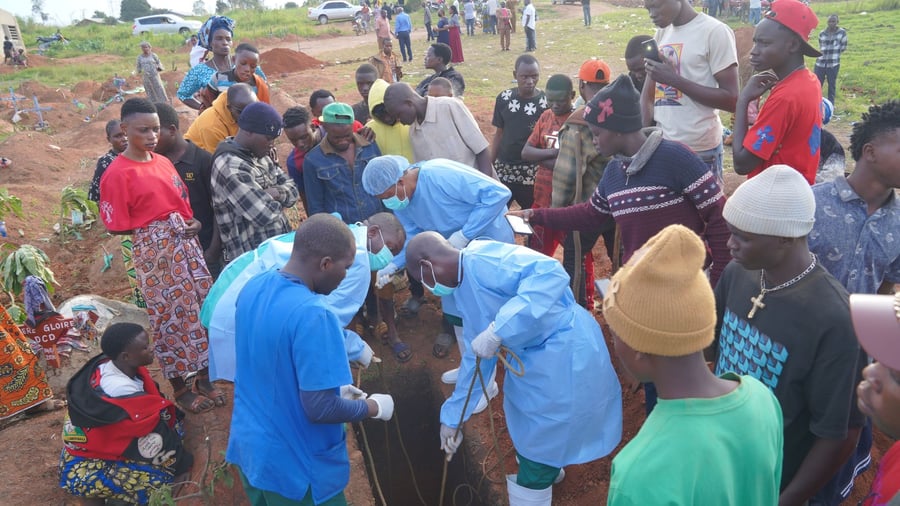
In the eastern region of the Democratic Republic of Congo, children face a perilous existence marked by uncertainty, violence, displacement, and forced recruitment by armed groups. The African Centers for Disease Control and Prevention (Africa CDC) has highlighted that children are disproportionately affected by the Ebola outbreak in the second-largest African country, with the disease claiming two-thirds of infected children under one year old and 58.5% of those aged one to four.
Globally, the fatality rate stands at 47.5%. Among confirmed infections, Unicef reports that one in five children aged 0 to 17 are affected, with approximately 180 orphans resulting from the Ebola outbreak in the past 100 days. Alongside grief and trauma, stigmatization often ensues, as children may face exclusion and discrimination, particularly in areas where Ebola is perceived as a real threat.
When taken in by relatives, children may be separated from other children or denied shared meals. Even after isolation, they endure immense emotional and psychological strain, as they lose the people responsible for their care, safety, and protection. While many relatives show compassion and attempt to help, families often report lacking the means to adequately care for their children.
Simultaneously, solidarity within families and communities is evident. Children who had close contact with infected individuals must be medically monitored during the 21-day incubation period to rule out potential infection, which is particularly distressing as it coincides with the loss of family members and uncertainty over their own health.
Special observation and care centers are being established by Save the Children to provide medical care, psychosocial support, and protection for children in this challenging situation. These centers aim to offer stability, nurturing, and a sense of security to children who have been separated from their Ebola-infected parents or whose parents have died during this period.
Contact tracing of infected patients is crucial in combating Ebola, but in areas where the disease is denied or doubted, it becomes particularly challenging. Despite growing understanding of the illness through awareness campaigns, many families still hesitate to report suspected cases due to fear of being separated from their family members, especially children, and placed in isolation centers.
Early detection and treatment are vital in protecting children and improving their chances of survival, especially given the higher mortality rate among children.
Written by urgent.news from Handelsblatt's reporting — not their text. Machine-written — may contain errors; check the original before relying on it.