De Cicerón a Marina d’Or, auge y caída de la cultura de la segunda residencia
España tiene un parque de 7,72 millones de segundas viviendas y cada vez menos personas que puedan permitirse una. Esta es la historia de por qué el sueño de tener una casa de vacaciones nos obsesiona desde hace más de dos mil años
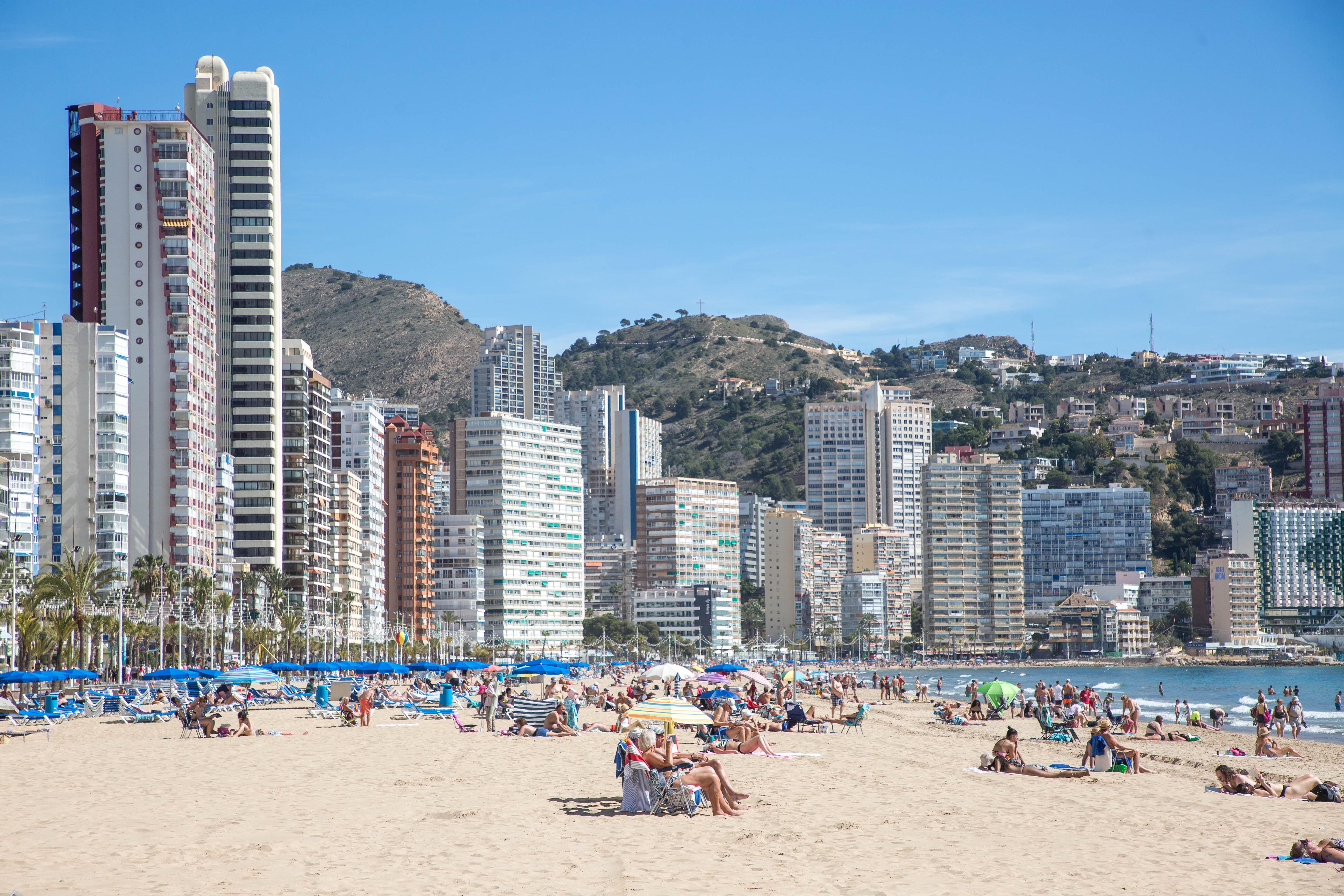
Once there were no beachside apartments, rural houses or sprawling resorts with pools and 24-hour lounges, Romans would escape the city and capital's heat to spend their summer vacations in the Naples Gulf. Pompeii, Herculaneum, and Baiae were the Hamptons of ancient Rome, villas where the elite would go to read, bathe, and entertain guests over lavish feasts.
Cicero, who owned multiple properties in the area, referred to that bay as cratera illum delicatum, meaning "the cup of all delights." Augustus purchased the island of Capri to retreat and Nero even governed the empire from there for a few years. The discovery of Pompeii in 1748 allowed the first glimpse into how patricians lived during their country retreats.
Villae pompeyanas were rural homes with central courtyards and gardens; the epitome of second home culture not being a modern invention.
Written by urgent.news from El Pais's reporting — not their text. Machine-written — may contain errors; check the original before relying on it.