Climate change destabilising Western Ghats’ forest ecosystems in Nilgiri Biosphere Reserve, warn researchers
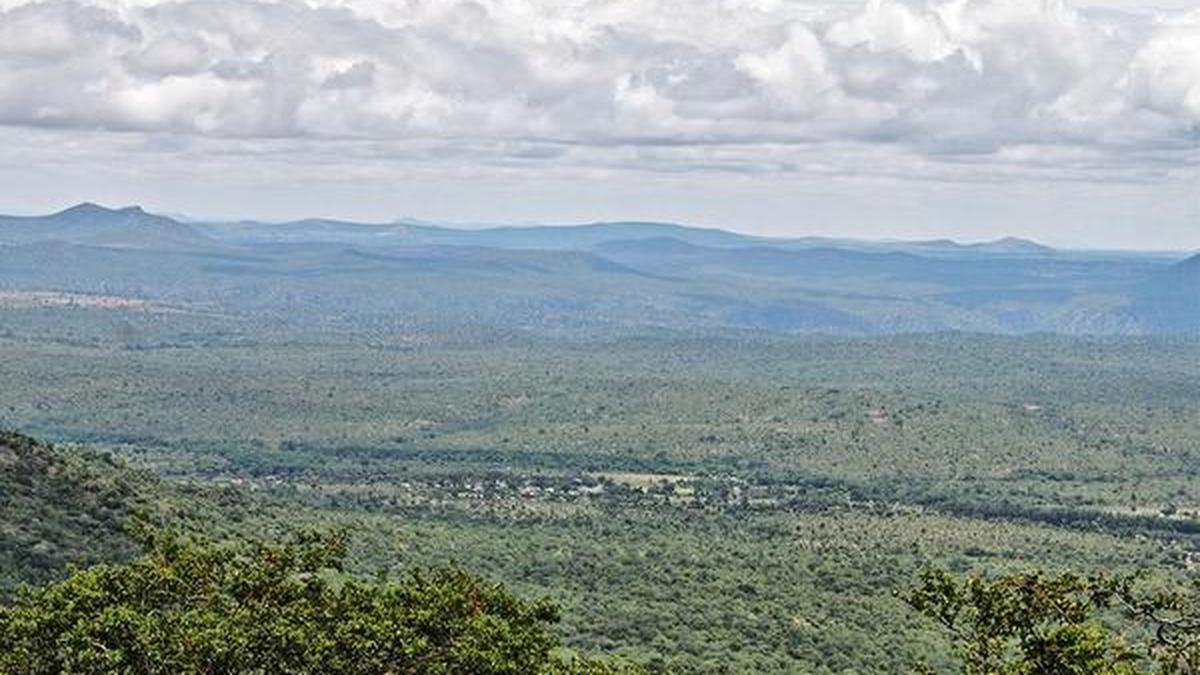
Researchers warn that erratic weather patterns caused by climate change are destabilizing forest ecosystems in the Western Ghats' Nilgiri Biosphere Reserve. A study published in 2024 in the open access journal Remote Sensing found that temperatures in the region have increased by 0.01 degrees Celsius annually since 1950, while rainfall has decreased by 3.97 millimeters per year during the same period. These changes have affected four distinct forest types within the reserve, altering the timing of their growth cycles.
The study, titled 'Mapping forest phenological shift in Nilgiri Biosphere Reserve, Western Ghats: Response to Climate Change,' examined satellite imagery from 2000 to 2020 to track how the forests responded to shifting temperature and rainfall patterns. Initially, the start of the growing season (SOS) was delayed in all four forest types between 2001 and 2010.
However, by 2011 to 2020, the SOS had advanced across all four types, leading to shorter growing seasons for some forests and longer ones for others. This pattern reversal suggests that climate change is not simply making forests greener or less green, but altering the timing of their biological activity.
While temperature is a key driver behind these changes, it is not the only factor. Researchers also noted that rainfall, soil moisture, drought, photoperiod, and other environmental elements play a role in determining when vegetation begins, ends, and maintains its growing season. The complex interplay between these factors makes predicting the full impact of climate change on the Nilgiri Biosphere Reserve's ecosystems challenging.
Godwin Vasanth Bosco, a restoration ecologist, emphasized that the clearest signs of climate change are visible in the cloud forest sections of The Sholas, the high-altitude tropical montane forests of the Western Ghats. He observed that epiphytes, mosses, ferns, and orchids on the trees are becoming drier and less abundant each season, and the microclimate within these Sholas has shifted.
The once cool, moist, self-contained pockets no longer function as they once did, as temperature and moisture levels have changed. This unpredictability in seasons poses a significant challenge for these forest and grassland systems, which evolved around a narrow and dependable climatic window.
Written by urgent.news from The Hindu's reporting — not their text. Machine-written — may contain errors; check the original before relying on it.
This story
This is one outlet's version. Read the fullest account.