BUSINESS REFLECTION: Crossed Wires: The unbearable weirdness of humanoid robots
Now that robots are escaping the pages of novels and entering warehouses, hospitals and factories, one cannot help wondering whether the energy going into making them resemble people is just silly.
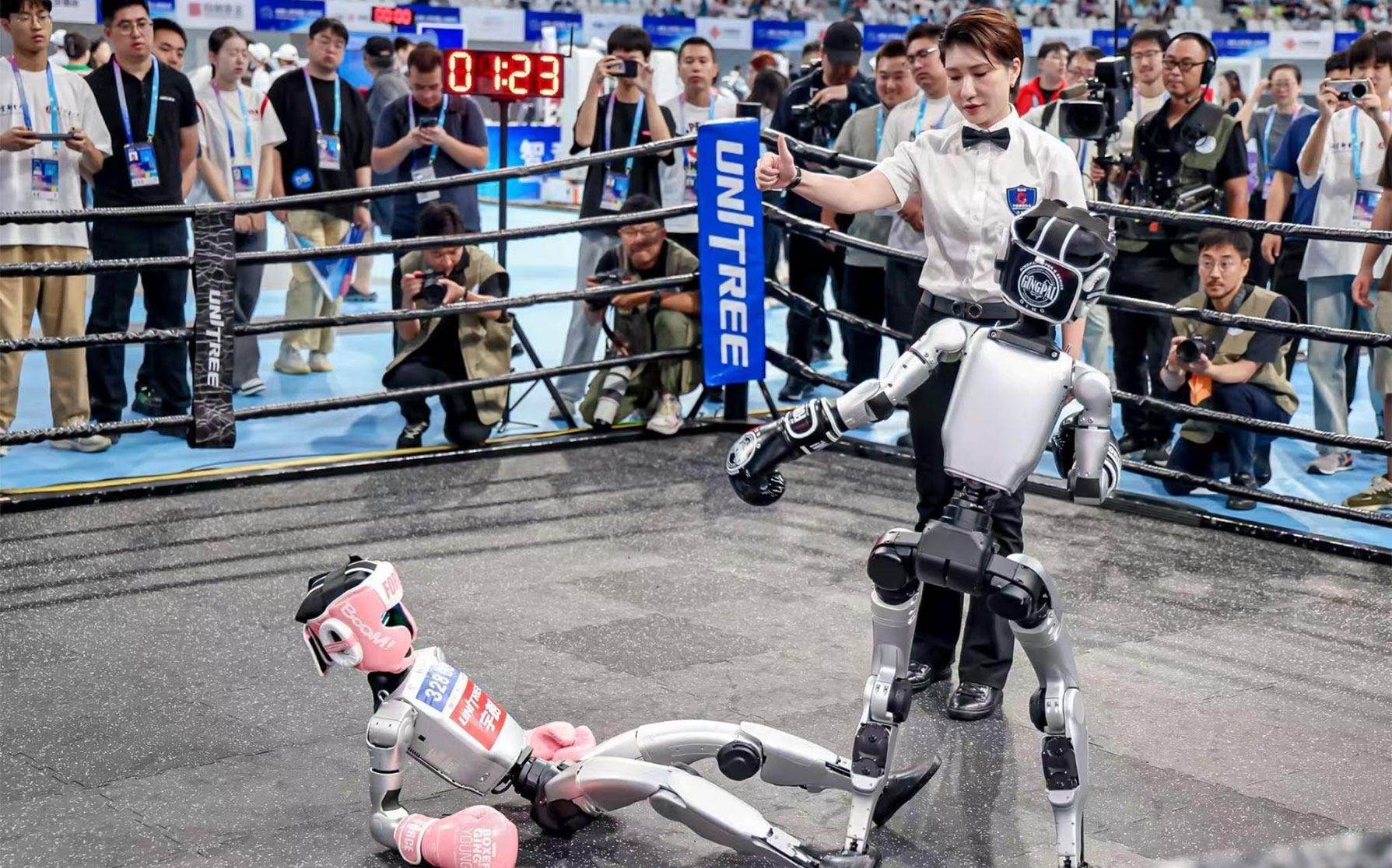
In the age of robotics, it is hard to ignore the growing presence of humanoid robots in warehouses, hospitals and factories. One such robot, called Lightning, recently broke Usain Bolt’s 100m sprint record, sparking questions about the practicality of making robots resemble humans. Recent videos showcase humanoid robots running fast, jumping high, playing soccer and doing gymnastics, with audiences cheering them on.
Science fiction has long explored the idea of intelligent machines that look like humans, from Isaac Asimov's Three Laws to Data from Star Trek and the soul-searching artificial beings in Blade Runner. These stories often delve into the realms of morality, consciousness and identity, employing human-shaped robots as a familiar mirror to examine such concepts.
However, the growing focus on humanoid robots raises questions about whether the energy invested in their creation is truly efficient. The human body is not an engineering marvel, but rather an evolutionary compromise. Our anatomy evolved to optimize survival across various scenarios, but not specifically for tasks like unloading shipping containers.
While industrial robots have already shown great success, with over 4.6 million robots performing various tasks, humanoids only number in the tens of thousands. Elon Musk aims to produce one million humanoid robots per year, but this ambitious goal seems unlikely. Most successful industrial robots are not mobile and serve specific tasks, simplifying repetitive, dangerous or complex physical tasks and saving costs and lives.
Humanoid robots may draw attention, but they are not necessarily the most efficient solution for most industrial applications. The economic sweet spot lies in task engineering amplified by recent advances in AI, where robots perform specific tasks autonomously, without reinventing the human body.
Written by urgent.news from Daily Maverick's reporting — not their text. Machine-written — may contain errors; check the original before relying on it.