Billions for water, but SA’s taps, pipes and sewers keep failing
South Africa faces a water crisis, with damaged infrastructure leading to raw sewage spills and dry taps
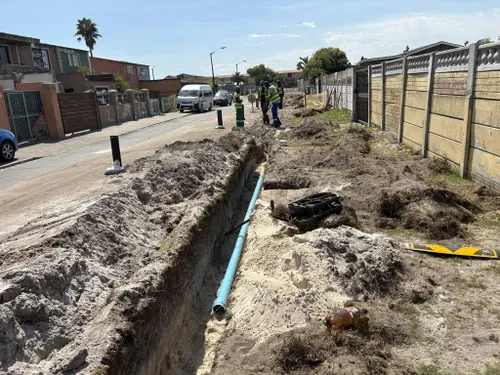
South Africa's water and sanitation challenges persist, as damaged pipelines release raw sewage and drinking water onto streets and rivers. The government plans to enforce personal criminal liability for municipal managers responsible for the worsening crisis. An amendment to the National Water Act permits officials' personal accountability for service failures and pollution.
The Department of Water and Sanitation has allocated over R156 billion in grants and subsidies for water and sanitation access over the next three years. However, the uMngeni uThukela Water Supply System is facing mounting pressure from increasing water demand, climate variability, water losses, and aging infrastructure. Restrictions imposed on water extraction have been lifted in several KwaZulu-Natal municipalities after analysis and stakeholder consultations.
The uMgeni Water Supply System started the year at full storage, but the municipality is losing excessive amounts of water, with leaks exceeding 65% and approximately 13,000 leaks across the city. The DA has requested an oversight visit to eThekwini to assess the issues with the city's water infrastructure. Despite resolving a plumbers crisis, the municipality remains struggling with non-revenue water and sewer spills, with reported sewer faults tripling to 2,368 in January 2026 compared to 850 in December 2025.
Johannesburg Water is implementing smart technology to reduce water losses, including smart pressure controllers to manage pressure and minimize bursts and leaks. The City of Cape Town has also faced complaints of poor service delivery, with the Public Protector finding that allegations of failing to maintain sewer infrastructure amount to maladministration.
Written by urgent.news from IOL's reporting — not their text. Machine-written — may contain errors; check the original before relying on it.