Before AI, there was the Mechanical Turk: The chess machine that wasn’t
The Mechanical Turk first appeared in 1770 as a chess-playing machine that astonished audiences across Europe and the Americas. It played Benjamin Franklin and Napoleon Bonaparte, but the secret was a skilled chess player hidden inside its cabinet. Despite widespread suspicion, the illusion endured for decades. Its story offers a striking reminder that the impression of an autonomous mind can…
Before the term "artificial intelligence" gained prominence in everyday language, Amazon introduced the notion of "artificial artificial intelligence," or what essentially amounted to work that seemed automated but was performed by humans. This concept was brought to a wider audience through Amazon's Mechanical Turk, a crowdsourcing platform established in 2005 that offered various tasks suited to human capabilities better than those of machines.
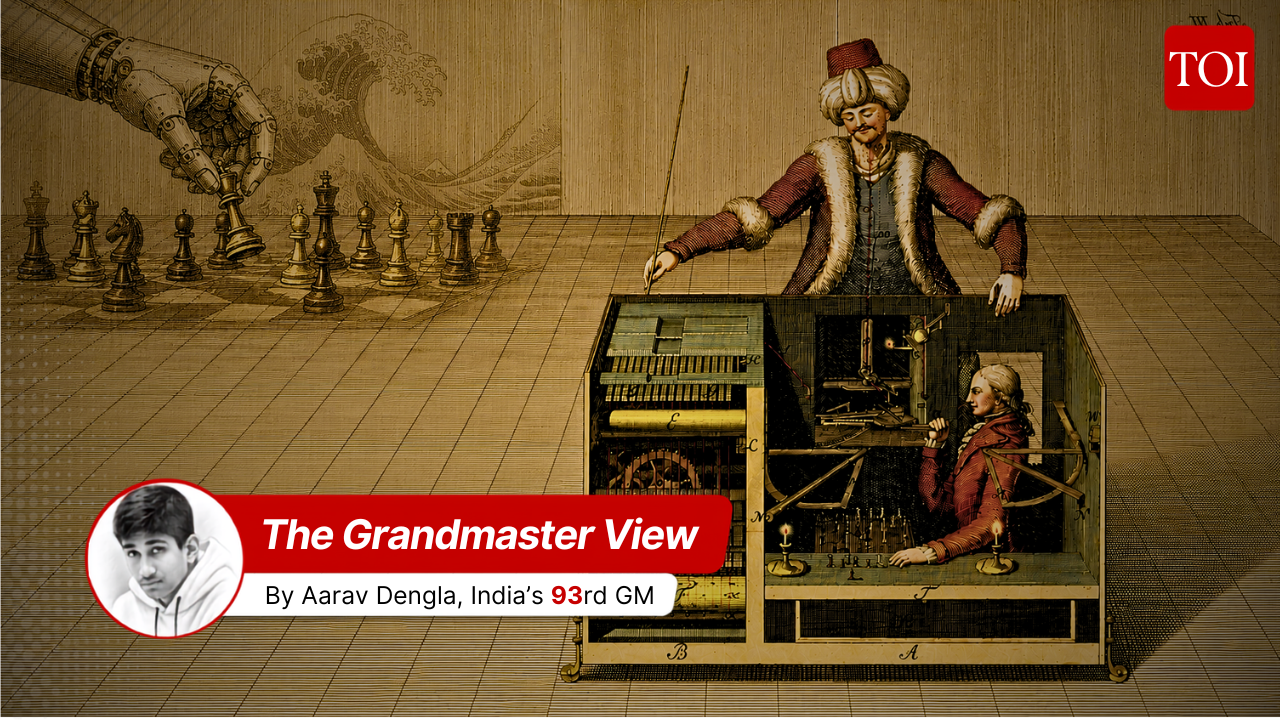
Mechanical Turk drew its name from an 18th-century chess-playing automaton. The device debuted in 1770 when inventor Wolfgang von Kempelen showcased the contraption to the Habsburg court of Empress Maria Theresa. At its core, the machine featured a large wooden figure dressed in Ottoman attire, hidden behind a cabinet adorned with a chessboard. The Turk was presented as a machine capable of playing chess with great intelligence and skill.
Over the following eight decades, the machine toured Europe and the Americas, engaging in matches against luminaries such as Benjamin Franklin and Napoleon Bonaparte. However, the Turk was not truly autonomous. A skilled chess player concealed within the cabinet controlled its movements using magnetic chess pieces. Magnetic pieces enabled the operator to follow the game on the chessboard above, while a system of levers converted the operator's actions into the mannequin's arm motions.
The cabinet was designed to mislead spectators. Doors would open to reveal intricate gears and machinery, while an operator employed sliding panels and a movable seat to conceal themselves when necessary. This cramped setup was physically taxing for the operator.
Following von Kempelen's demise in 1804, the Turk was acquired by Johann Mälzel. Multiple renowned chess players are believed to have operated the Turk, with Johann Baptist Allgaier credited for the game against Napoleon in 1809. In later exhibitions in Britain, Jacques François Mouret and William Lewis operated the Turk. William Schlumberger, the principal operator during Mälzel's tours of the United States, also played a crucial role.
However, the identities of the operators for von Kempelen's initial exhibitions of the Turk remain shrouded in mystery to this day.
The Turk's operation attracted suspicion. In a 1836 essay, Edgar Allan Poe noted that a machine should make moves at regular intervals, while the Turk's timing varied, resembling human play. Poe concluded that a human was involved but could not pinpoint how. The first comprehensive account surfaced in 1857, less than three years after the original Turk succumbed to a fire. Silas Weir Mitchell, the son of the Turk's final private owner, published a detailed account.
That the Turk persisted for so long despite widespread skepticism is intriguing. Unraveling the mystery of its operation added to its allure. The Turk's long existence coincided with a period of rapid mechanization, prompting people to question which aspects of human labor could be replicated by machines. Amazon's Mechanical Turk borrowed from this old illusion, emphasizing that a process may appear automated while requiring human effort to complete.
Although a perfect comparison, it provides insight into how new technologies can initially seem to accomplish a task and, upon closer examination, reveal hidden human labor behind them. In our current era of rapid advances in artificial intelligence, it remains uncertain how far artificial intelligence will progress or whether synthetic systems can fully replace human cognition.
Nevertheless, the Turk serves as a reminder that the appearance of an autonomous mind can obscure the underlying reality.
Written by urgent.news from Times of India's reporting — not their text. Machine-written — may contain errors; check the original before relying on it.