Bangladesh’s gas crunch cripples industry as factories close and power cuts spread
BRAHMANBARIA, Aug 23 — The giant structures of Bangladesh’s Ashuganj fertiliser factory have stood silent fo...
Brahmanbaria, August 23 — The massive Ashuganj fertiliser factory has been idle for over a year due to a natural gas crisis, crippling industries and causing power cuts across Bangladesh. Once employing more than 1,200 people and producing over 1,000 tonnes of fertiliser daily, the factory, operated by the state, is now a rusting shell.
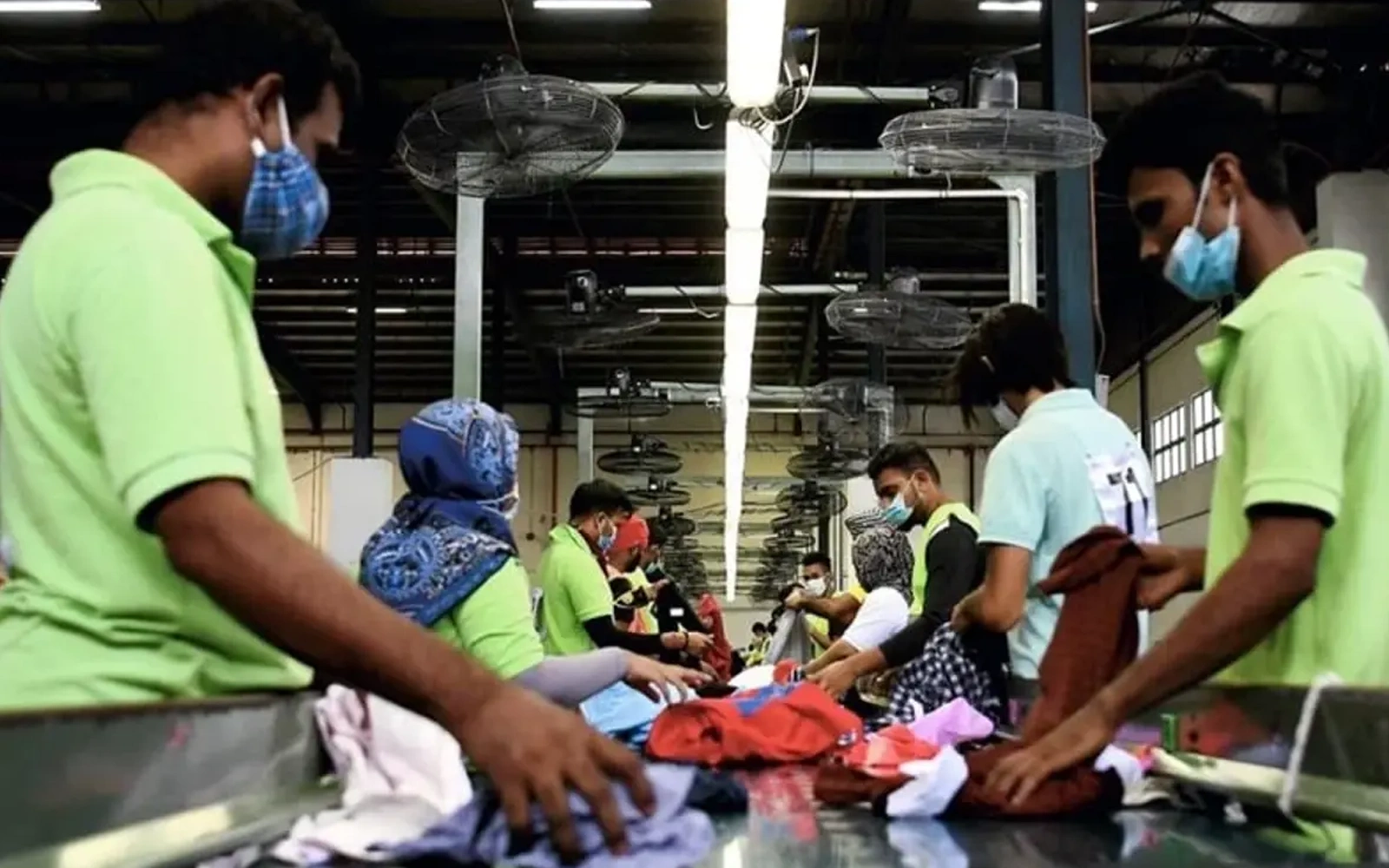
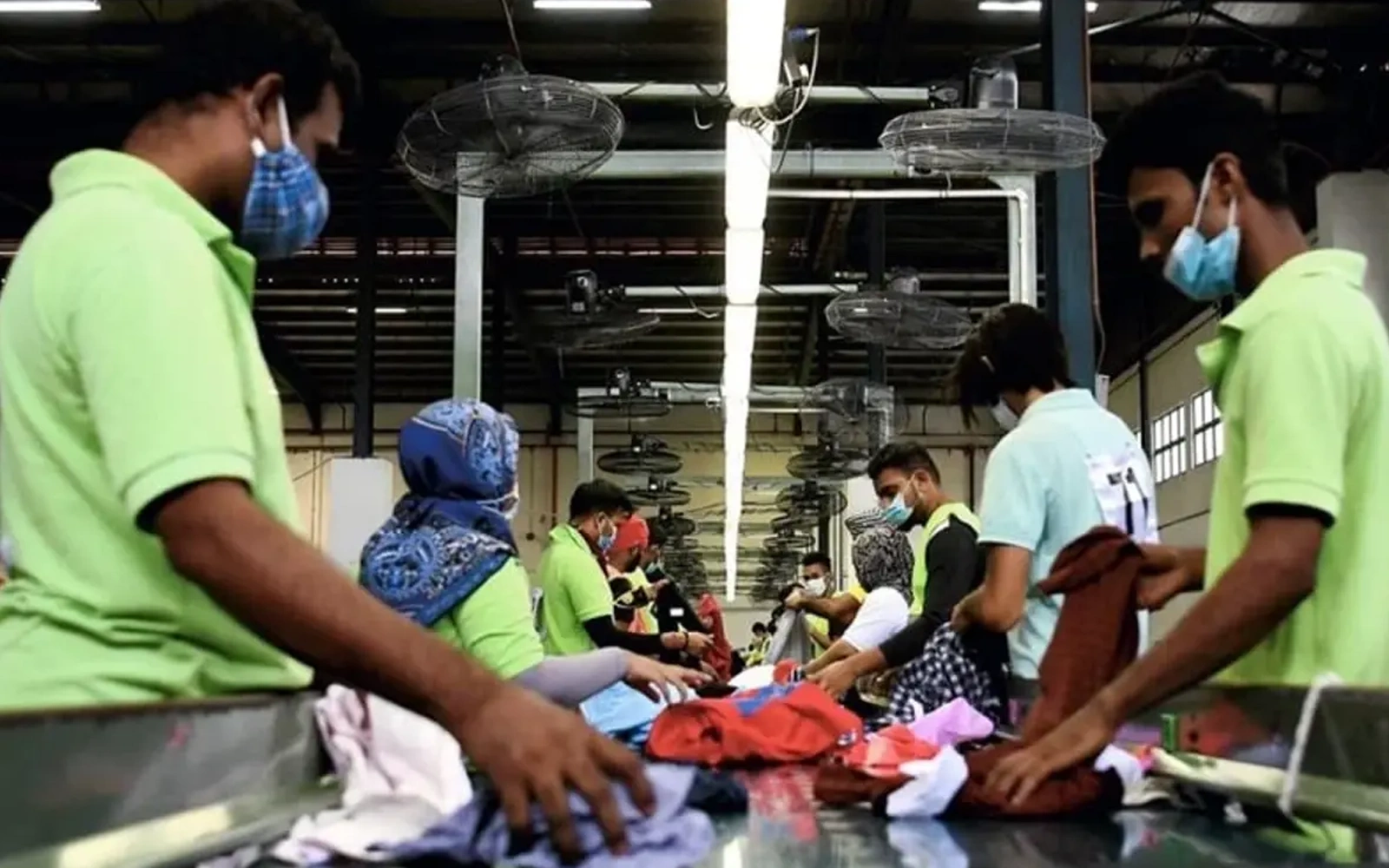
The gas shortage, triggered by declining production in ageing fields and a lack of investment, has forced six major urea fertiliser plants to close or reduce operations. Trade union leader Md Abu Kawsar warned that the closures not only cost workers their jobs but also threaten an industry crucial for food security. The consequences of the gas shortage extend beyond fertiliser production, with hundreds of factories, including textile plants, cutting production or shutting down.
Bangladesh, the world's second-largest garment exporter, accounts for about 80% of the country's export earnings. Regular power cuts have become a norm, with domestic gas supply often being cut. The government has imposed electricity-saving measures, including ordering shopping malls to close an hour earlier. Housewife Nargis Begum, who lives near the Ashuganj factory, expressed the dire situation households face, with gas shortages leaving them without even a few drops of gas for cooking.
Many have switched to wood-burning stoves, and electricity cuts leave them without fans during the sweltering heat. Gas-powered rickshaw drivers have blocked roads in protest after hours waiting for fuel. The gas crisis has been building for years, with Bangladesh relying heavily on imports after production declined due to depleted older fields and rising demand.
The previous government, ousted in a 2024 revolution, failed to invest sufficiently in exploration, according to Energy Minister Iqbal Hasan Mahmud Tuku. The current government continues LNG orders and invests in terminals to expand imports but experts call for more domestic exploration. While the government plans to buy drilling rigs and launch an offshore bidding round, they acknowledge the ultimate solution lies in turning to renewable energy, which could be achieved in two years.
Written by urgent.news from Malay Mail's reporting — not their text. Machine-written — may contain errors; check the original before relying on it.