Bangladesh’s gas crisis hits factories, homes and transport
Gas shortages are disrupting fertiliser production and power generation, threatening food security and causing regular blackouts.
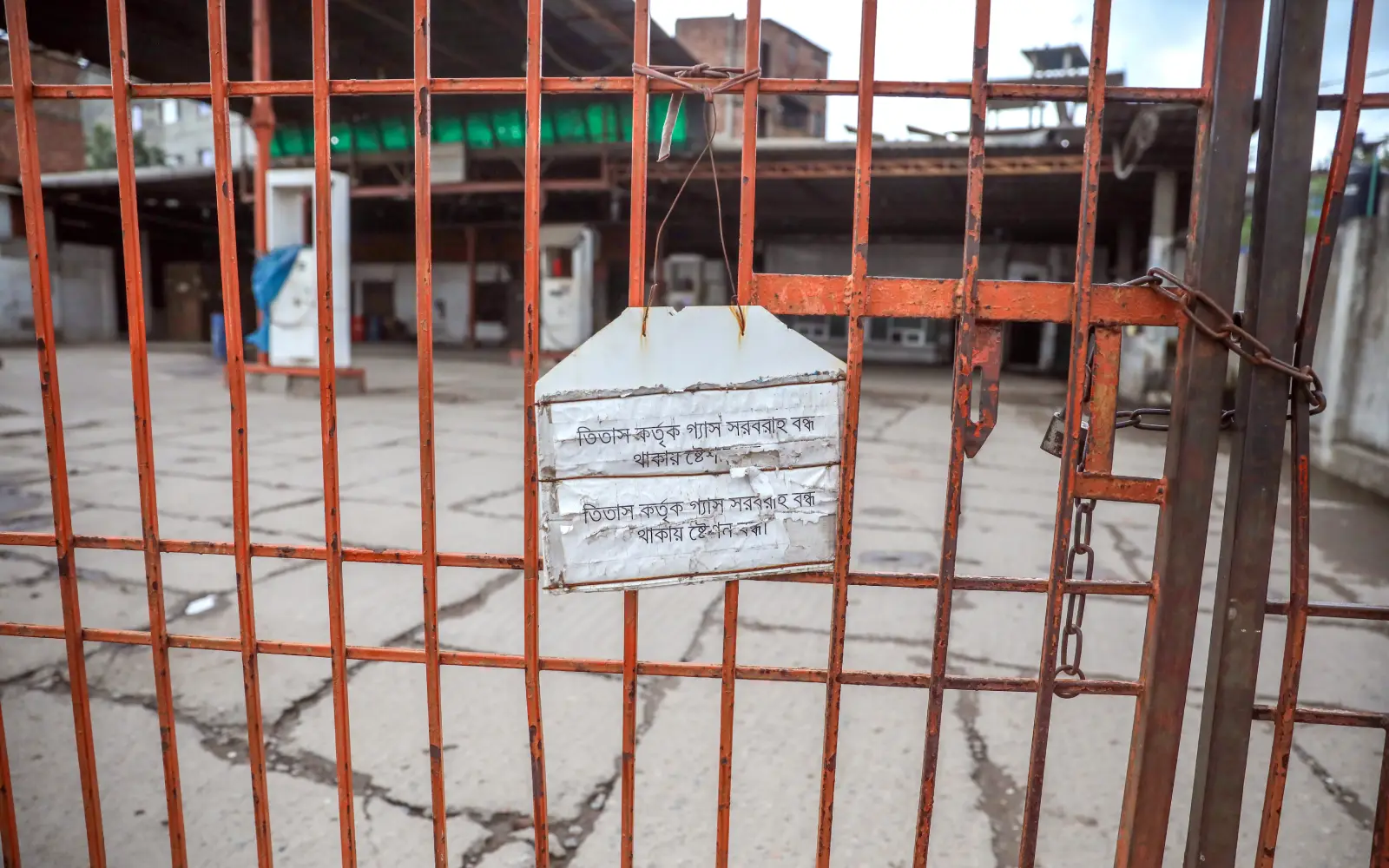
Bangladesh is grappling with a severe gas crisis that is crippling factories, homes, and transportation systems across the country. The Ashuganj fertiliser factory, once a bustling hub employing over 1,200 people and producing 1,000 tonnes of fertiliser daily, has been shut down since March 2025 due to a shortage of natural gas. The factory, situated near the Titas gas field, is now a mere skeleton, a stark reminder of the industry's decline.
The gas shortage is attributed to underinvestment in ageing fields, a lack of exploration, and the impact of the US-Iran conflict on Middle East imports. Only six major urea fertiliser plants have been forced to close or operate at reduced capacity, threatening food security and job losses. Trade union leader Md Abu Kawsar emphasized the need to revive these factories to save foreign currency and prevent further deterioration.
The consequences of the gas crisis extend beyond fertiliser production. Hundreds of factories, including textile plants vital to Bangladesh's export-driven economy, are cutting production or shutting down. Domestic piped gas is often cut, leading to frequent power cuts and blackouts. The government has issued electricity-saving measures, including ordering shopping malls to close an hour earlier.
Households, particularly in rural areas, have been most affected. Housewife Nargis Begum lamented the lack of gas, leading to the switch to wood-burning stoves and increased electricity cuts, leaving residents without fans in the sweltering heat. Gas-powered rickshaw drivers have also protested, blocking roads after waiting hours for fuel.
The crisis is the result of a long-term decline in natural gas production as older fields deplete, while demand has risen. Despite having offshore gas fields, drilling new wells is time-consuming and costly. The government plans to invest in two drilling rigs and has launched an offshore bidding round, but experts argue that long-term solutions require new wells. The government is considering turning to renewable energy sources as a way forward, potentially within two years.
Written by urgent.news from Free Malaysia Today's reporting — not their text. Machine-written — may contain errors; check the original before relying on it.
This story
This is one outlet's version. Read the fullest account.
- Bangladesh's gas crisis hits factories, homes and transport channelnewsasia.com
- Bangladesh’s gas crisis hits factories, homes and transport freemalaysiatoday.com