An Iraqi Kurdistan without an American umbrella
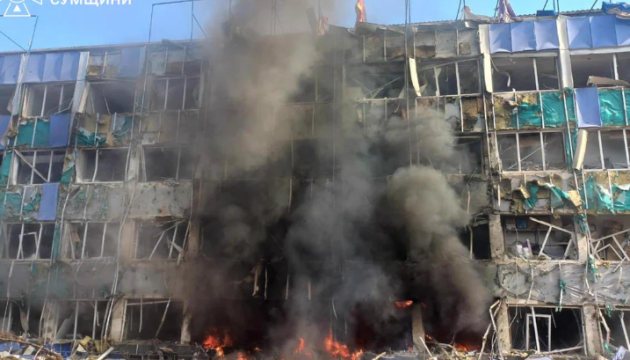
An Iraqi Kurdistan without an American umbrella newspress_en Sun, 08/23/2026 - 19:28 Politics On 17 August, the private office of Kurdistan Region Prime Minister Masrour Barzani and the headquarters of the region’s foreign intelligence service, Parastin, came under Iranian drone attack. It was the most serious escalation to date, and came only days after the United States began withdrawing…
On August 17, 2026, a severe Iranian drone attack targeted the private office of Kurdistan Region Prime Minister Masrour Barzani and the foreign intelligence service headquarters. This incident followed the United States' commencement of personnel and equipment withdrawal from military bases in the Kurdistan Region. The Iraqi federal government has confirmed that this process will conclude by September of the following year.
This escalation questions the future air protection for the Kurdistan Region, which has faced over 1,000 attacks from Iran and allied factions in recent months. Moreover, it threatens to fuel internal conflict in Iraq over the control of these vacated military facilities.
Over the past two weeks, the US has removed C-17 Globemaster III transport aircraft and Patriot surface-to-air missile batteries from the Erbil military base and transferred them to bases in Jordan. Additionally, the aerial surveillance balloon over Erbil has been dismantled, and the Rapid Sentry air-defence system has been moved to Cyprus. The US and Britain have retained a minimal military presence at the base, comprising only small contingents.
The US logistical base near Erbil Airport has functioned as a hub for surveillance, communications, and logistical support for local partners involved in counterterrorism operations since 2014. However, Harir military base, located 100 kilometers north of Erbil, has remained largely inactive since the US presence in Iraq ended in 2011. Kurdish authorities assert that the base has been effectively deserted for nearly a decade, with only a limited number of civilian staff and minimal equipment remaining.
The US military has yet to clarify the nature of their current withdrawal, stating that US forces frequently relocate between their positions due to the evolving nature of the Middle East's military conflicts. Kurdish officials have attempted to minimize the significance of the US measures, claiming that the transfers involve forces relocated from other parts of Iraq over the past year.
A senior Kurdish political source explained to Al Majalla, "This development is not concerning for three reasons: first, the United States cannot simply abandon Iraq, particularly to hostile regional powers. Iraq remains a strategic center of American interests and influence. Second, the Kurdistan Region's political stance remains neutral and determined to avoid interfering in regional conflicts, serving as its primary shield and foundation of stability.
Lastly, part of the international military presence will persist in Kurdistan under altered designations, preserving air security, given its geopolitical importance."
Masrour Barzani, Prime Minister of the Kurdistan Regional Government, expressed these views in a press conference in Erbil on June 25, 2025. The struggle over control of the vacated US military and logistical facilities in the Kurdistan Region is anticipated to evolve into a drawn-out political and media dispute between Erbil and Baghdad.
This conflict stems from divergent legal and political interpretations of the rules governing this issue, but at its core lies the persistent mistrust between the two sides. The US military presence in the Kurdistan Region dates back to mid-1991 when the UN Security Council established a no-fly zone to protect civilians from attacks by the former Iraqi regime.
Written by urgent.news from Al Majalla English's reporting — not their text. Machine-written — may contain errors; check the original before relying on it.