Alaska eradicated rats from Aleutian island; native birds surged within 2 years
After two hundred years of invasive rat habitation, Hawadax Island witnessed a remarkable transformation. Within just two years of their removal, native bird populations surged by over 200 percent. Seabirds previously thought extinct began to return, nesting on the island's enchanting cliffs. The restoration of the island's original name, Hawadax, marks a significant ecological achievement and…
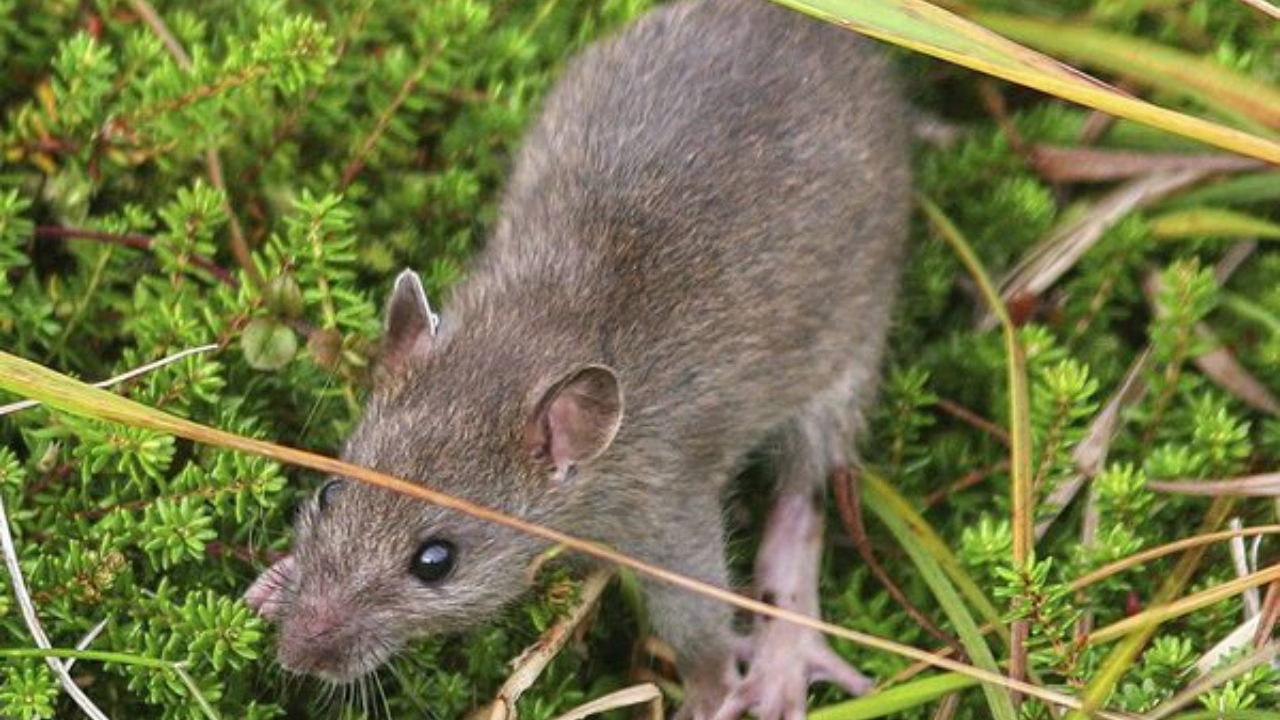
More than two centuries after rats from a shipwreck infested the remote Alaskan island of Hawadax, also known as Rat Island, the invasive rodents have been eradicated, leading to a dramatic surge in native bird populations within just two years. Monitoring reports and press releases from the United States Fish and Wildlife Service (USFWS) and National Wildlife Refuge System reveal that bird numbers on the 6,869-acre island have increased by 200 percent or more since the rat removal.
Once home only to rats brought to the island around 1780, Hawadax became an eerily silent place in 2007, littered with rat trails and scat.
Ground-nesting and burrowing birds had few defenses against the rats, causing their populations to plummet. In 2008, the USFWS, in collaboration with conservation groups such as The Nature Conservancy and Island Conservation, launched a major rat eradication campaign on the 10-square-mile island. Specialist teams employed helicopters to disperse rodenticide bait across the island following a strategic digital grid.
After rigorous monitoring confirmed the absence of surviving rats, the USFWS officially declared the island rat-free.
The return of native birds to the island has been nothing short of remarkable. Ground-nesting and shorebird populations have rebounded, with species such as glaucous-winged gulls, song sparrows, rock sandpipers, and black oystercatchers experiencing a three-fold increase in nesting numbers within two years of the operation. Native birds like tufted puffins and storm-petrels have also begun nesting on the island again, a stark contrast to their near-extinction during the rat infestation era.
Stacey Buckelew of Island Conservation, who has witnessed the transformation firsthand, describes the shift from the island's eerie silence to a cacophony of bird calls as "hardly recognizable." The ecological recovery of Hawadax illustrates the success of concerted efforts in restoring damaged ecosystems. The island's ecological gains, as reported in scientific journals, highlight the effectiveness of partnerships in addressing long-standing ecological problems.
In May 2012, the U.S. Board on Geographic Names returned the island's traditional name of Hawadax Island, reflecting its Unangam Tunuu (Aleut) meaning of "entry" or "welcome."
This restoration project demonstrates that ecological restoration is achievable through effective partnerships, making Hawadax Island an inspiring example for future endeavors aimed at eradicating invasive predators from islands globally. Today, Hawadax Island is part of the Alaska Maritime National Wildlife Refuge, continuing its journey toward ecological restoration.
Written by urgent.news from Times of India's reporting — not their text. Machine-written — may contain errors; check the original before relying on it.