About E20: Why choice, pricing matter
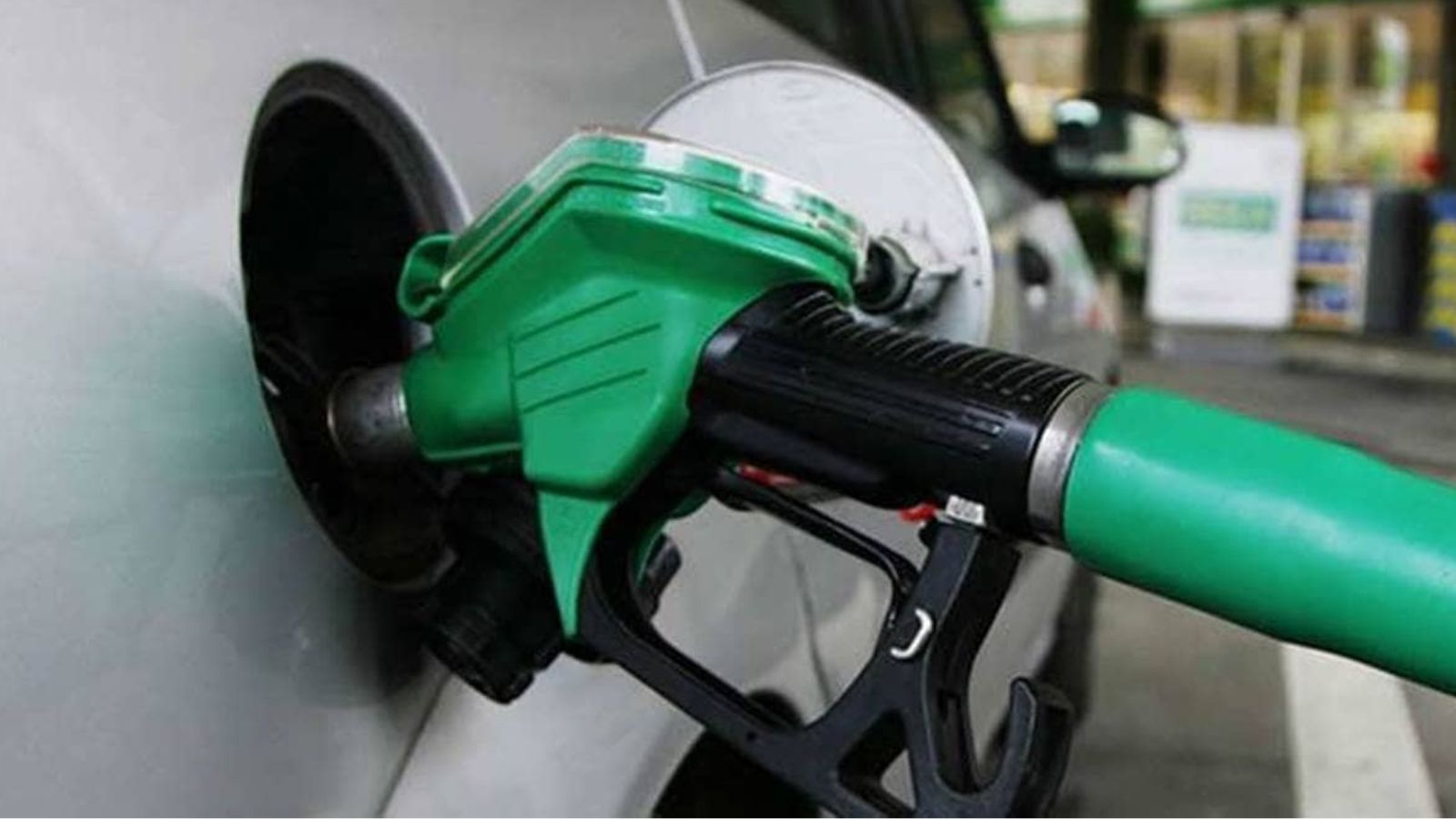
The ongoing ethanol-petrol debate continues to resonate with the general public, amplified by social media platforms like Instagram. The Indian government is struggling to address the public's discontent and turn the tide of public opinion in favor of E20, a petrol blend with 20% ethanol. The government faces challenges in their reasoning and communication efforts, which are being undermined by the public's resistance.
While there are valid reasons for the government's stance, some officials have taken note of the noise and are attempting to identify the right signals. They are focusing on the two main factors that influence the decision-making process of lower and middle-income families in India – fuel efficiency and pricing. The NDA government has defended the blending program, although it's important to note that the pilot project was initiated under the previous government.
The E5 blend was introduced in 2006, which was later replaced by E20 in 2024. Despite the numerous advantages of ethanol blending, such as reduced fossil fuel use, lower carbon emissions, and dependence on imports, consumers are not convinced about the tangible benefits. This is mainly because consumers don't see a price advantage, even though they are bearing the cost of a lower mileage.
The government's efforts to explain E20 by comparing fuel prices in India with those in South Asia and Europe have not been successful. The government's strategy to encourage consumers to switch to E20 through differential pricing and choice of fuel has proven challenging. While the long-term benefits of ethanol blended fuel are undeniable, behavioral changes among consumers are required for a successful transition.
Written by urgent.news from The Indian Express's reporting — not their text. Machine-written — may contain errors; check the original before relying on it.