A family bought 11 farms and turned them into a big five wildlife haven
A South African couple began restoring the Great Karoo in 1997 by bringing together 11 former livestock farms into a 67,000-acre reserve. After removing fences, clearing invasive plants and allowing the land to recover, they began reintroducing wildlife. Cheetahs returned after 130 years, followed by rhinos, elephants and lions, while leopards later returned naturally.
In 1997, Sarah and Mark Tompkins embarked on a mission to restore a section of South Africa's Great Karoo, a vast semi-desert region that had lost much of its wildlife. By 1997, their efforts resulted in transforming 11 former livestock farms into a 67,000-acre reserve known as Samara. The Great Karoo once supported a diverse array of wildlife, including elephants, lions, black rhinoceros, and wild dogs, but hunting, farming, and other human activities had led to a significant decline in biodiversity.
With the guidance of expert ecologists, the Tompkinses collaborated on a multi-faceted strategy to restore the land and reintroduce wildlife that had disappeared from the area. The process began with the removal of invasive plants, dismantling internal fences, and allowing the property to rest for almost a decade. This was followed by a long-term program to rehabilitate the land and reintroduce species that had vanished from the region.
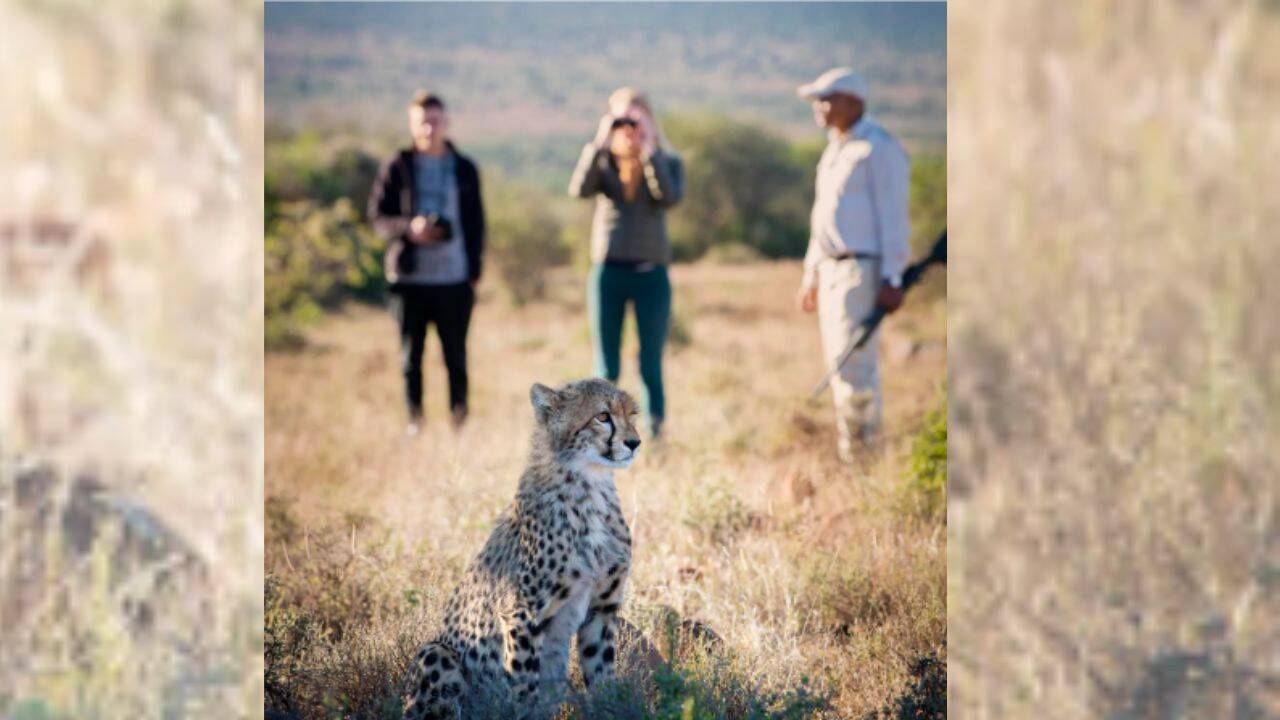
As the landscape began to recover, Samara started reintroducing species that were locally extinct. In 2004, the reserve welcomed its first wild cheetah in about 130 years. The cheetah, named Sibella, had been rescued after suffering abuse from hunters and went on to raise numerous cubs. Subsequently, herbivores such as eland, red hartebeest, gemsbok, giraffe, white rhinoceros, and buffalo were reintroduced to the reserve.
The presence of prey animals was crucial for the return of predators, as they aimed to restore a functional ecosystem where different species could once again fulfill their natural roles.
The rewilding efforts continued, with the reintroduction of the critically endangered black rhinoceros in 2013. With fewer than 5,000 black rhinos remaining worldwide, Samara became home to a family herd of these animals. Elephants followed in 2017, marking their return to the area after an estimated absence of 150 years. Lions were reintroduced to Samara in 2019, marking their return after approximately 180 years.
The presence of these apex predators had a significant impact on the landscape, influencing the behavior of other animals and their interactions with their surroundings.
The rewilding efforts at Samara also led to an unexpected outcome. In 2021, a leopard was spotted at the reserve for the first time, and further monitoring confirmed repeated sightings. Today, Samara boasts over 60 mammal species, including the Big Five, as well as 225 bird species. The reserve is now home to large herds of antelope, while elephants and rhinoceroses roam the landscape freely.
The Tompkinses' long-term vision extends beyond the reserve itself. They aim to create an ecological corridor connecting three national parks, allowing wildlife to move freely between protected areas. As a result, Samara has become a destination for tourists seeking to experience the rewilded landscape, offering guided safaris and walking experiences that allow visitors to witness the thriving wildlife.
Written by urgent.news from Times of India's reporting — not their text. Machine-written — may contain errors; check the original before relying on it.