A crane can lift 1,000 tonnes. Here’s what makes it topple in Mumbai
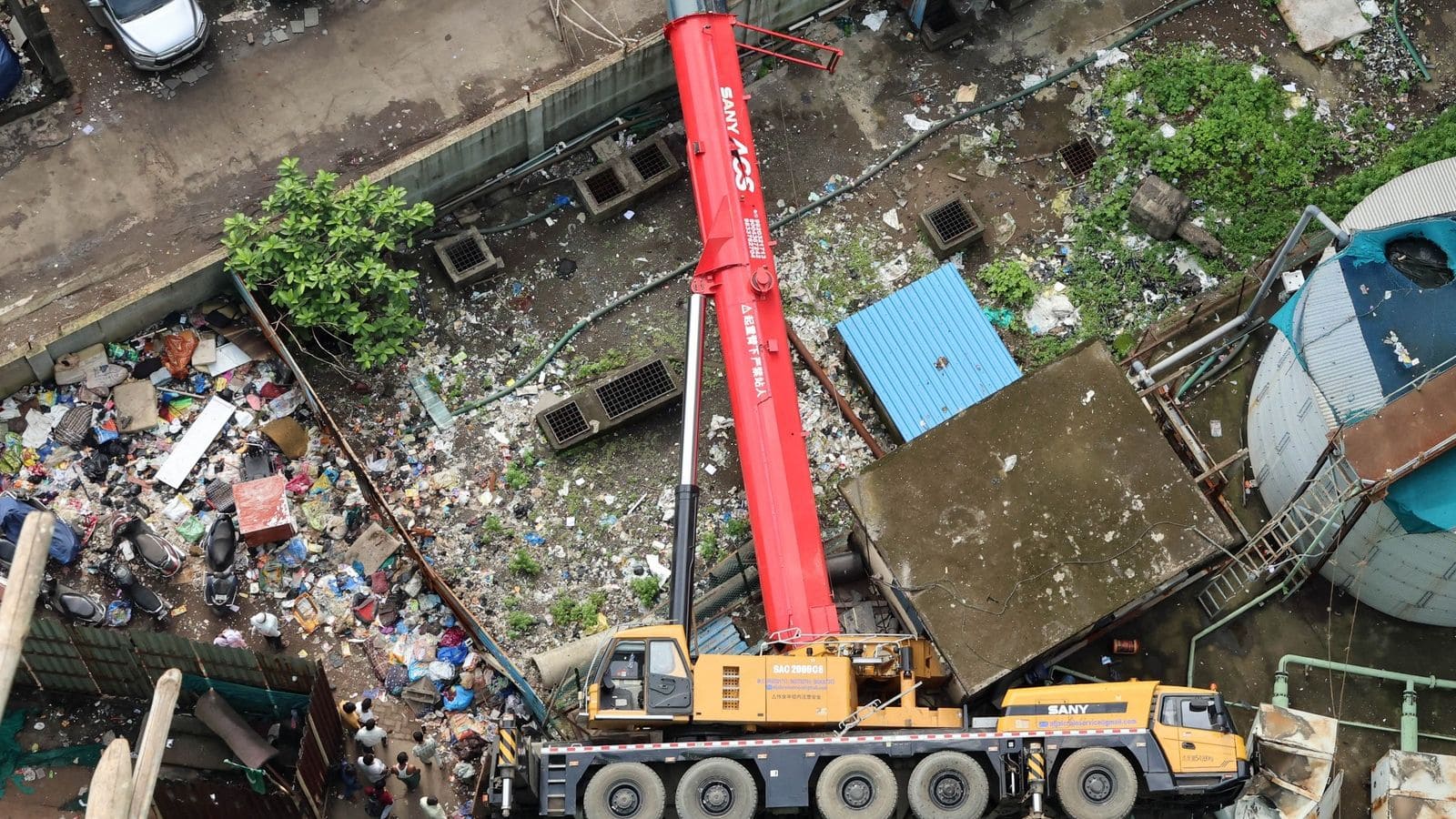
Since the beginning of the year, Mumbai and the surrounding region have experienced several crane-related accidents. On Friday, a 17-story high crane's arm fell onto slum dwellings in Kurla, injuring 12 individuals. Earlier this week, a crane servicing Metro Line 2B broke down at Juhu Circle and required repairs before it could be moved.
Last month, another crane collapsed during the construction of an elevated road in BKC. In March, a hydraulic pipe burst on a crane while dismantling the Elphinstone bridge, causing work to cease. Such incidents can halt operations, disrupt traffic, and in extreme cases, result in fatalities and significant damage.
The Indian Express consulted multiple members of the Crane Owners Association of India (COAOI) to determine the causes of these crane failures, the necessary safety checks, and the responsibilities involved. According to Navin Dedhia, secretary of COAOI, the Kurla incident resulted from inadequate ground stability. The crane's stability is contingent on the ground where the external rigs and jacks are positioned, and proper ground testing is crucial before lifting operations. Contractors often bypass this step due to added costs and potential delays.
Ground stability cannot always be evaluated through visual inspection, as highlighted by a COAOI executive committee member. Underground utilities can compromise the integrity of a site, necessitating the use of spreader mats to distribute the load evenly. Safety protocols exist, but lapses by operators or contractor pressures can still lead to incidents. Operators rarely compel contractors to provide ground certification, primarily due to industry competition.
Crane owners emphasized that older and poorly maintained machines are more susceptible to technical and electrical faults. Some older cranes might have inaccurate age records, as second-hand Chinese cranes are commonly imported due to cost considerations. Newer cranes typically come equipped with advanced safety systems, such as hydraulic locking cylinders and load indicators.
The availability of adequate crane operator training is another concern, as there are no dedicated government institutions for this purpose. Many operators learn on the job, and the absence of career progression in the field hampers the recruitment of skilled workers.
Written by urgent.news from The Indian Express's reporting — not their text. Machine-written — may contain errors; check the original before relying on it.