'You Sound Like A Girl': Author Deepak Ramola Opens Up About Bullying & Self Acceptance; Video Goes Viral
Writer and educator Deepak Ramola has opened up about years of being mocked for his voice, sharing how one powerful conversation with his Class 11 English teacher helped him turn a painful insecurity into a source of confidence. In an Instagram video, Ramola reflected on the comments he faced while growing up. People frequently described his voice as too young or feminine, making him feel…
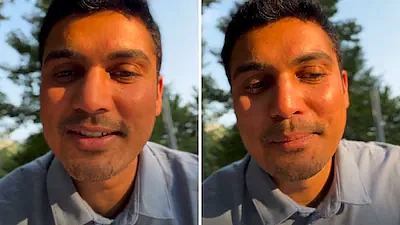
Writer and educator Deepak Ramola has shared his experiences with bullying related to his voice in an Instagram video. Ramola recounted the many times he was mocked for having a voice that sounded too young or feminine. This made him feel different from others and caused him pain throughout his life. A Turning Point Conversation One day in Class 11, Ramola was crying when his English teacher, Pragati Kapoor, noticed his distress.
Instead of dismissing his feelings, Kapoor asked him a simple question: "Do you like your voice?" This question made Ramola stop and think about his voice in a new way. A Shift in Perspective Kapoor then encouraged Ramola to imagine losing the ability to speak the next morning. This thought made him realize how much his voice meant to him.
He recalled Kapoor saying, "Okay, then it's settled. You like your voice, and if you like your voice, you have to own your voice, and you have to own your story." This advice gave Ramola the confidence to stop feeling ashamed of his voice. A Source of Strength For Ramola, the voice that once drew cruel comments has now become an important part of his professional life.
He has traveled internationally, teaching and speaking at universities and institutions across many countries. Every harsh comment is now balanced by supportive messages that remind him to keep speaking. A Message of Empowerment Ramola's story has touched many, who shared their own struggles with being judged for their voices and other personal traits.
He reminded his audience that confidence doesn't always come from changing what others dislike about us. Sometimes, it begins when we stop apologizing for the things that make us who we are.
Written by urgent.news from Free Press Journal's reporting — not their text. Machine-written — may contain errors; check the original before relying on it.