Why the bond market is flexing its muscles, and why everyone needs to care
NEW YORK (AP) — The bond market is one of the few forces in the world strong enough to get politicians to snap to attention. It also helps dictate how much ordinary people have to pay on their mortgages and car loans, as…
The bond market, a formidable force in the global economy, has been exerting its influence recently, prompting politicians to take notice. This market impacts not only the cost of mortgages and car loans for ordinary citizens but also the returns from savings accounts and retirement plans like 401(k)s. This week, rising bond yields led the U.S. Treasury Department to intervene unusually, raising fears of higher borrowing costs that could dampen consumer spending, the engine of the economy.
These developments also raised doubts about investors' willingness to finance ongoing government borrowing. Here's an analysis of the situation and its implications for everyone:
To begin with, it's important to understand the bond market. When governments and major corporations borrow money, they don't go to banks for loans. Instead, they issue IOUs to investors, promising to repay the borrowed amount with a specific interest rate. If these IOUs have a long repayment horizon, they are termed bonds. (In contrast, shorter-term IOUs are often referred to as bills or notes.)
Investors in the bond market can buy and sell these bonds after they are issued, and they continue to receive the same interest rate. However, if the bond becomes less appealing, a buyer can purchase bonds that were previously worth $100 for less than that amount. This price drop results in a higher percentage return for the new buyer, compared to the interest rate the bond pays on its face value. This return is known as the bond's yield.
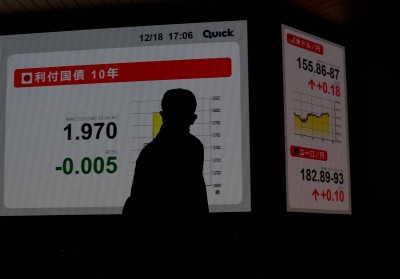
The U.S. bond market is the largest in the world, with a total value of $31.5 trillion as of July, according to the Securities Industry and Financial Markets Association. However, the U.S. government bonds, known as Treasurys, are encountering increased competition from bonds with higher yields offered by countries overseas. In recent years, even 30-year Japanese government bonds are paying over 4%, while U.K. bonds have reached yields of 5.81%, and German bonds are paying 3.76%, compared to 5.27% for a similar U.S. bond.
This heightened competition is a significant factor contributing to the upward trend in U.S. interest rates.
Ira Jersey, chief U.S. interest rate strategist at Bloomberg Intelligence, explained that large global investors, such as pension funds and life insurers, which previously had limited options due to the low interest rates in other countries, now face greater competition. "The U.S. 30-year yield must contend with numerous other sovereign bonds," Jersey noted. "The U.S. is no longer the sole option."
Written by urgent.news from Associated Press's reporting — not their text. Machine-written — may contain errors; check the original before relying on it.