Why is Israel pushing toward confrontation with Türkiye?
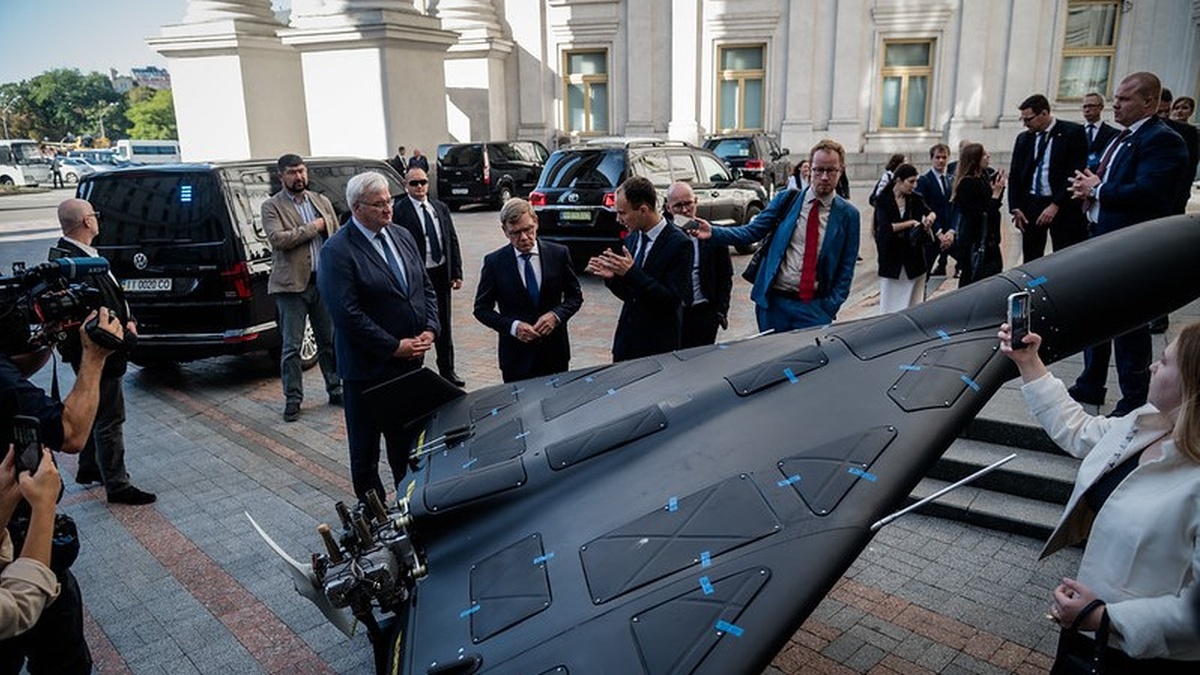
By Murray Hunter IN recent days, Israeli warplanes struck the Abu al-Duhur airbase in northern Syria, a facility Turkish forces have utilised and where Ankara was reportedly considering a larger presence. The attack, which damaged runways and hangars...
The ongoing conflict between Israel and Türkiye stems from a complex web of geopolitical interests and domestic politics. Israel has been steadily expanding its military presence and security demands in Syria since the fall of the Assad regime, while Türkiye has been seeking an Interpol Red Notice against Prime Minister Benjamin Netanyahu on charges of genocide, crimes against humanity, and torture linked to the interception of a Gaza-bound flotilla.
The recent Israeli airstrike on the Abu al-Duhur airbase in northern Syria, which damaged Turkish forces' facilities, has further heightened tensions between the two nations. Israeli politicians have been escalating verbal attacks on Türkiye ahead of Israel’s October elections, while Türkiye has countered by seeking an Interpol Red Notice against Netanyahu.
This rivalry is rooted in the strategic importance of Syria for both countries - Israel wants to prevent Türkiye from consolidating its influence in the region, while Türkiye views Israeli strikes as expansionist interference in a neighboring state's sovereignty. Additionally, Türkiye's cooperation with Syrian authorities to manage Kurdish threats and stabilize northern zones has further fueled Israeli concerns.
The United States, which has close ties with both countries, finds itself in an awkward position as it tries to manage these dual alliances. The emerging network, often referred to as the "Mecca framework," which includes Pakistan's substantial military capacity, could also complicate the situation by potentially drawing in additional Muslim-majority states.
Despite the fact that trade and tourism links exist between the two nations, geopolitical interests and perceived existential stakes can override commercial concerns when leaders see the stakes as being too high or believe they have a political advantage to gain from the conflict. The situation is volatile, with both sides having incentives to keep any clash limited.
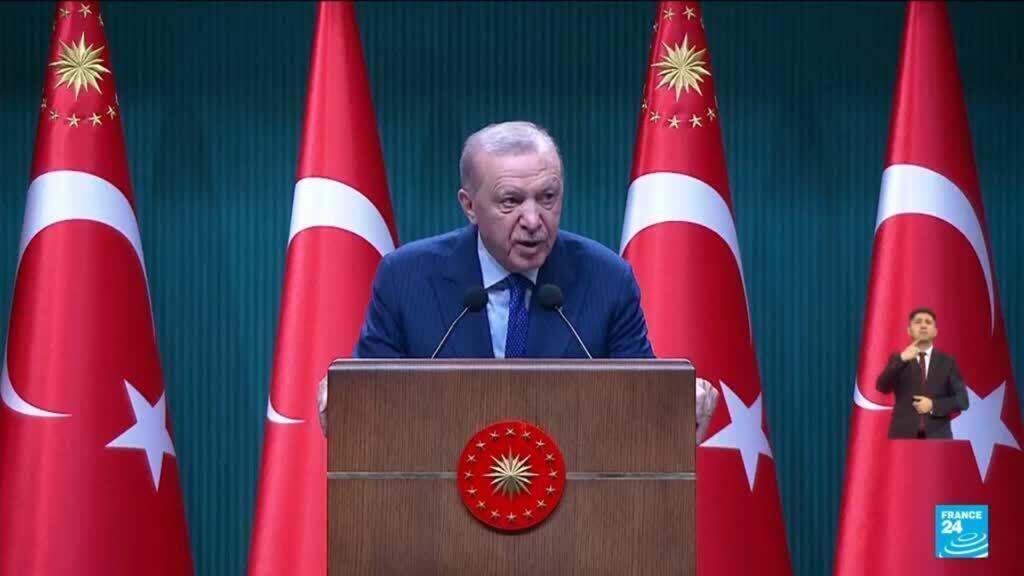
However, the combination of Israeli electoral timing, Turkish assertiveness under President Erdoğan, and competing visions for post-Assad Syria creates a dangerous mix. The risk is that a limited action in Syria could escalate into a wider confrontation involving Greek-Turkish tensions, Gulf dynamics, or even great-power signaling.
Historically, such escalations have been difficult to contain within diplomatic channels, and the current situation is no different. In conclusion, the conflict between Israel and Türkiye is a complex issue that requires careful diplomatic efforts to de-escalate the situation and prevent it from spiraling out of control.
Written by urgent.news from The Vibes's reporting — not their text. Machine-written — may contain errors; check the original before relying on it.