Why ethanol diversion is not to blame for soaring sugar prices
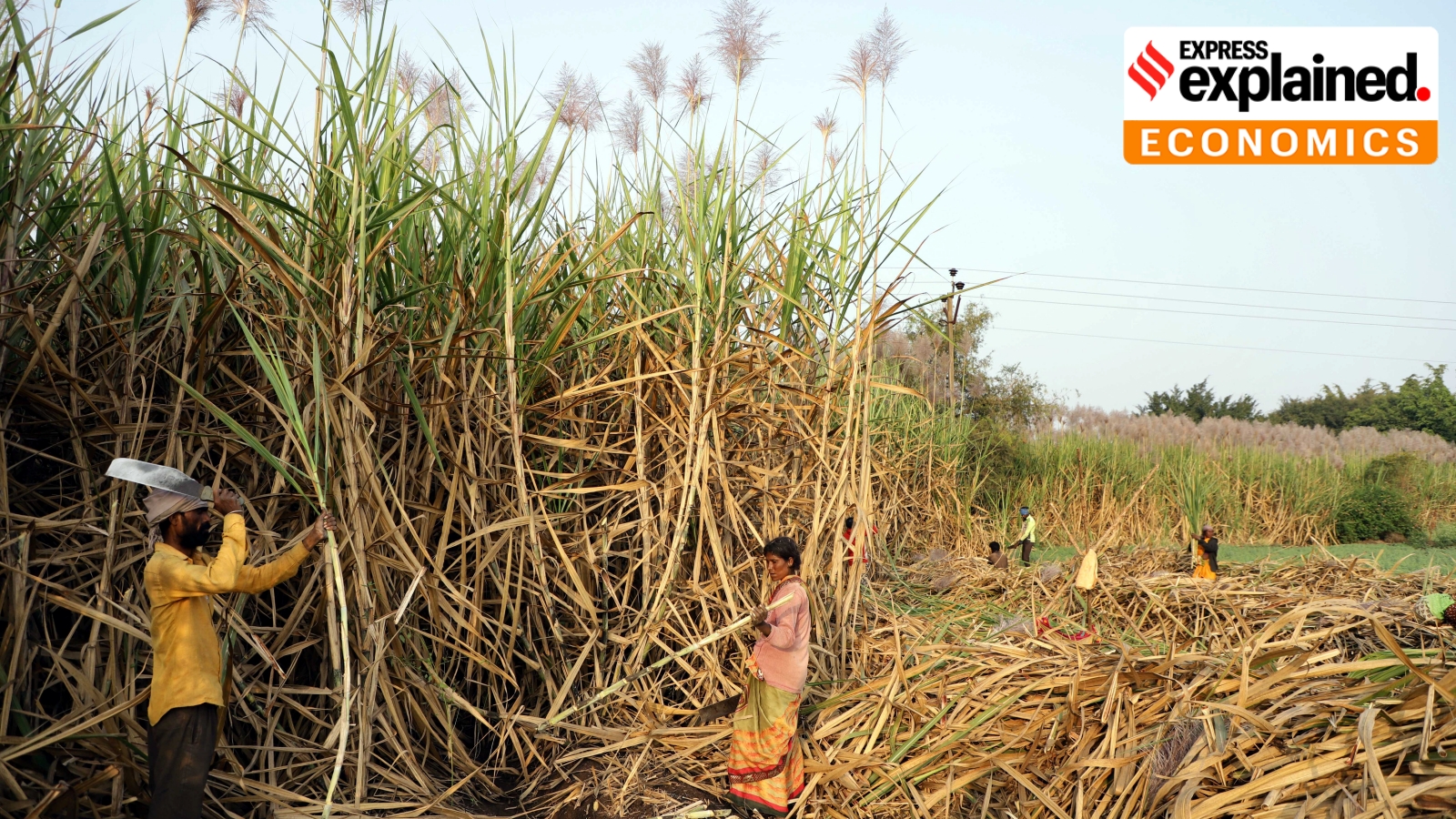
Dussehra and Diwali are approaching, but sugar prices have already become expensive, even before the festival season begins. According to the consumer affairs department, the average retail price of sugar in India was Rs 65 per kilogram on Friday, up from Rs 45 on July 21 and Rs 50 on July 31. The cost of sugar for manufacturers, known as ex-factory prices, ranged from Rs 57-60 per kg in Uttar Pradesh, Rs 62.50-64 in Maharashtra, and Rs 63-64 in Karnataka on August 20.
This price surge is primarily due to lower-than-expected sugar production and stock levels at a nine-year low. The Indian Sugar & Bio-energy Manufacturers Association (ISMA) estimated domestic sugar production for the 2025-25 season to be 343.5 lakh tonnes, but with 34 lakh tonnes diverted for ethanol production, the net output was projected at 309.5 lakh tonnes.
However, recent industry estimates suggest a net output of only 279 lakh tonnes, which is 30.5 lakh tonnes less than the original projection. With only over 50 lakh tonnes of sugar available at the start of the season, the closing stock would be around 41 lakh tonnes, the lowest since 2016-17. Factors contributing to the decline include excess rainfall in Maharashtra, Karnataka, and Gujarat, which affected cane growth and sugar recovery, as well as fungal diseases and pests affecting sugarcane production in Uttar Pradesh.
Additionally, some mills have already sold sugar beyond their government-fixed monthly quotas, leaving limited stocks in the market. While the diversion of 30 lakh tonnes of sugar for ethanol production seems significant, the overall decline in sugar production itself, before ethanol diversion, is a more substantial factor in the price increase. The government has banned sugar exports until September 30, 2026, as a precautionary measure.
Written by urgent.news from The Indian Express's reporting — not their text. Machine-written — may contain errors; check the original before relying on it.