While Madras went to bed early, Chennai stays up
From closing up about 9 p.m. to queuing up for a plate of biriyani around 3 a.m., the city has come a long way; pubs emerged in the 1980s, and following an IT boom and a growing night-shift workforce in the late 90s, tea shops stayed open, eateries mushroomed, and sports facilities and gyms extended their hours, keeping the city alive at night
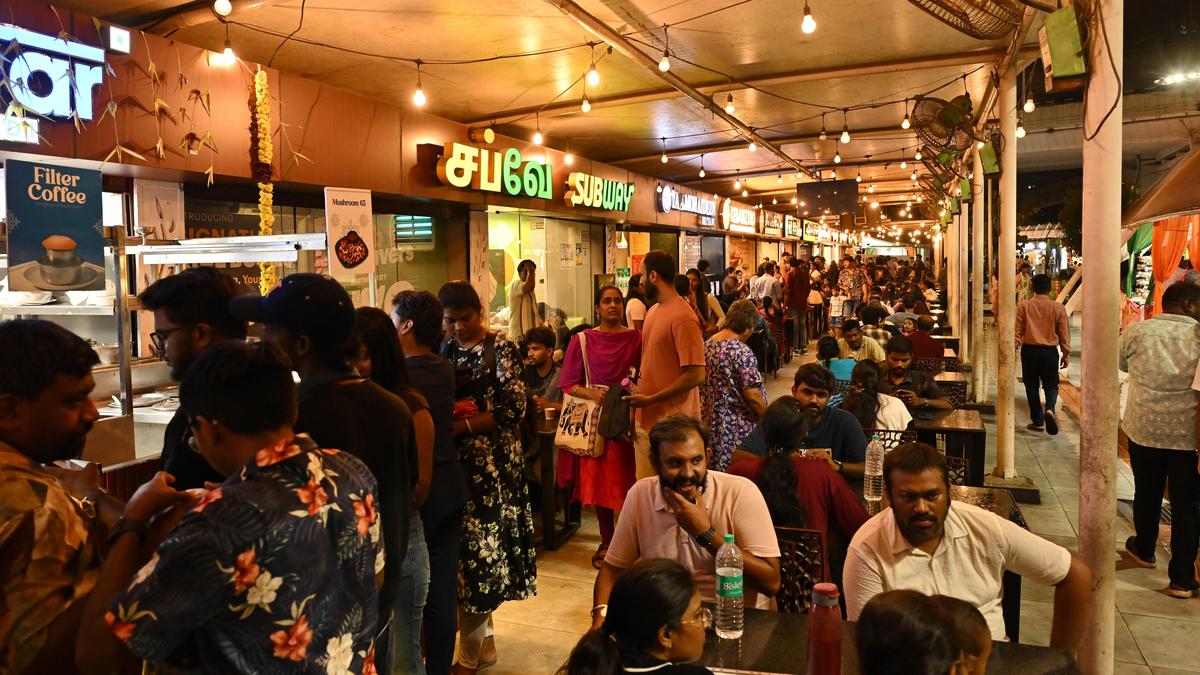
In the 1980s and 90s, the city of Madras, now known as Chennai, was known for going to bed early, with shutters closing at around 9 p.m. Streets would empty, and the roads would fall silent, with only a few vehicles visible. However, this all changed in the late 80s and early 90s, as pubs began to emerge in the city. This, coupled with the growth of the IT and BPO sectors and the rise of a night-shift workforce, transformed Chennai into a city that never truly sleeps.
According to Nikhil Raghavan, a resident of Shenoy Nagar who writes about nightlife in the city, discos were a significant part of Chennai's nightlife in the 80s and 90s. Venues like the Gatsby Disco at Adyar Park Hotel and Pasha at The Park were packed with young people showcasing their best moves. Buharis on Mount Road remained open until late at night, serving delicious mutton samosas and bread butter jam with hot tea to help night owls stay awake.
The late 90s marked a turning point for Chennai's nightlife, with the arrival of IT firms across the city. Old Mahabalipuram Road and areas near Tidel Park saw the construction of new buildings, with work continuing through the night. Chai wallahs on bicycles would deliver tea and coffee to those working late, while small eateries, hotels, and 24/7 cafeterias soon followed. IT and BPO companies even offered Sodexo vouchers to their employees, allowing them to spend money on late-night meals and drinks.
As migration to the city grew in the early 2000s, Chennai's beaches began to come alive after sunset. The Marina drew thousands of families, while Besant Nagar Beach became a popular destination for couples and youngsters. Beach walks transformed into nighttime activities, with turtle walkers gathering at Neelankarai Beach to spot Olive Ridleys laying eggs. As more households began owning vehicles, commuting became easier, allowing people to enjoy the city's nightlife throughout the night.
Late-night food has become a significant driver of Chennai's night culture. Biryani brands have emerged, catering exclusively to nighttime customers, with some serving plates as late as 3 a.m. Anna Nagar, once primarily residential, now sees crowds and activity well into the night, with P. Kruthivas, president-elect, CREDAI Chennai and Managing Director, Pushkar Properties, attributing its growth to improved Metro connectivity.
The Kora Food Street in Anna Nagar attracts over 5,000 visitors daily, with footfall surging by 20% to 30% on weekends. Another popular nightlife spot is Uptown, Kathipara Urban Square, which draws more than 10,000 visitors each day, and over 30,000 visitors during weekends.
While Chennai's nightlife has evolved from being an "early city" to a city that never truly sleeps, it is now focusing on a food and family-oriented night culture rather than an alcohol-led one. This shift is seen as a genuine strength for the city, providing a safe and enjoyable environment for shift workers, students, and families to spend time after dark.
Written by urgent.news from The Hindu's reporting — not their text. Machine-written — may contain errors; check the original before relying on it.
Also reported by 1 other outlet
- While Madras went to bed early, Chennai stays up thehindu.com