US authorities say Siemens controllers used for water and other infrastructure are being targeted by hackers — agencies claim threat actors use AI tools to generate exploitation scripts
Siemens S7 PLCs, commonly used in critical infrastructure, are reportedly being targeted by hackers and could potentially lead to disruption of industrial processes, safety incidents, downtime or equipment damage, and more. U.S. agencies are telling operators to protect these systems by keeping them updated and ensuring that they're off the internet if possible.
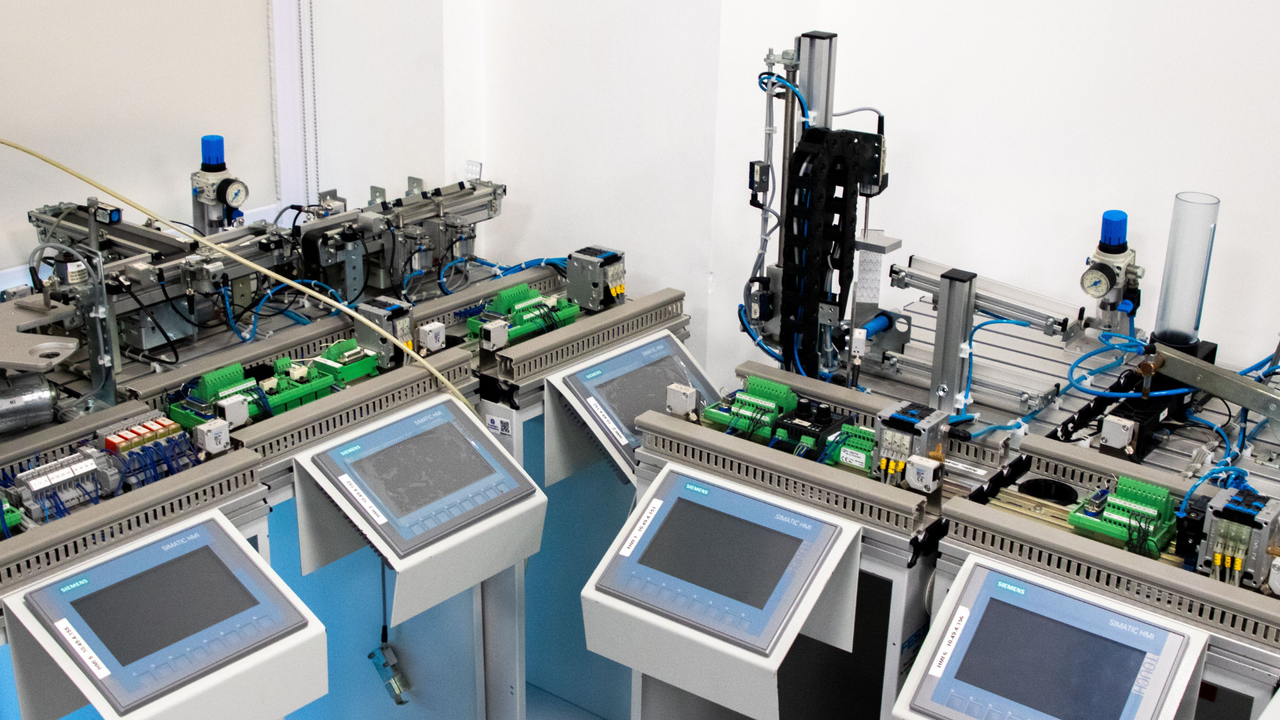
U.S. authorities have issued a warning that Iranian hackers are targeting Siemens S7-series programmable logic controllers (PLCs) used in water and other critical infrastructure. Hackers are utilizing publicly available information on these widely used devices to create exploits enabling remote access and control. They also employ AI tools to identify additional attack vectors and potentially adapt to defensive measures.
The Cybersecurity and Infrastructure Security Agency (CISA), along with the National Security Agency (NSA), Federal Bureau of Investigation (FBI), Department of Energy (DOE), and Environmental Protection Agency (EPA), issued the advisory, highlighting that the water, energy, and wastewater sectors are the most targeted by this threat.
Operators are advised to maintain updated equipment, isolate from the internet, protect with strong access controls, and deploy cybersecurity measures to monitor industrial control systems for anomalies and malicious activity. The use of AI tools makes the threat particularly dangerous, as attackers can make malicious files resemble legitimate monitoring tools.
This follows recent cyberattacks on U.S. water infrastructure believed to have originated from Iran.
Written by urgent.news from Tom's Hardware's reporting — not their text. Machine-written — may contain errors; check the original before relying on it.