U.S. to allow limited livestock imports from Mexico as outbreak from flesh-eating screwworm parasite eases, but total eradication will take time
The U.S. is set to resume livestock imports from Mexico beginning Aug. 24 at the Douglas, Arizona, border crossing.
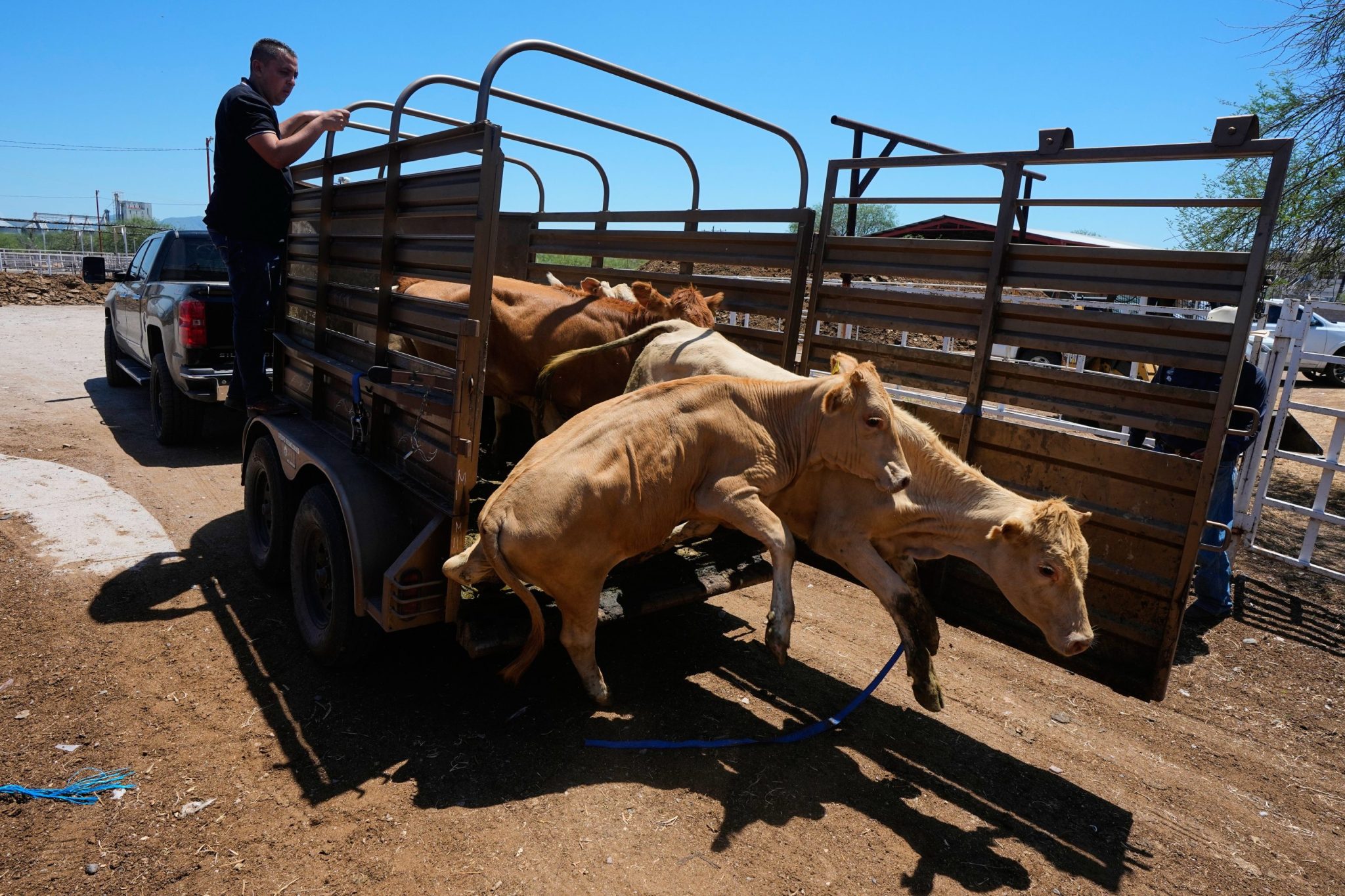
In northern Mexico's desert, rancher Martín Alfonso Ibarra watched over his cows and calves, hoping soon they would be heading north to the United States. A year-long ban on Mexican cattle imports ended, allowing limited imports as the New World screwworm parasite outbreak receded. The ban, imposed due to concerns about the screwworm fly, hurt both countries' livestock and beef industries.
Mexico's economy lost $1.2 billion in cattle export revenue last year. The USDA will resume imports from Mexico starting Aug. 24 at the Douglas, Arizona, border crossing. Initially, only 700 cattle per day will be allowed, increasing to 1,300 per day. To prevent the screwworm's spread, Mexican cattle must be fitted with RFID tags and screened by electronic readers and dogs.
Mexico accepted the U.S. protocols, but some local ranchers feel frustrated by the restrictions. U.S. ranchers were unable to offset the supply shortage, leading to meat price hikes and plant closures.
Written by urgent.news from Fortune's reporting — not their text. Machine-written — may contain errors; check the original before relying on it.