This US island was set to become a resort until 2 storms changed everything
Assateague Island was once planned as a major resort community with thousands of homes, roads and commercial areas. Two powerful storms changed that future. A 1933 hurricane split the island, while the 1962 Ash Wednesday storm destroyed roads and structures. The island was later protected as a National Seashore in 1965, preserving its beaches, wildlife and natural coastal habitats.
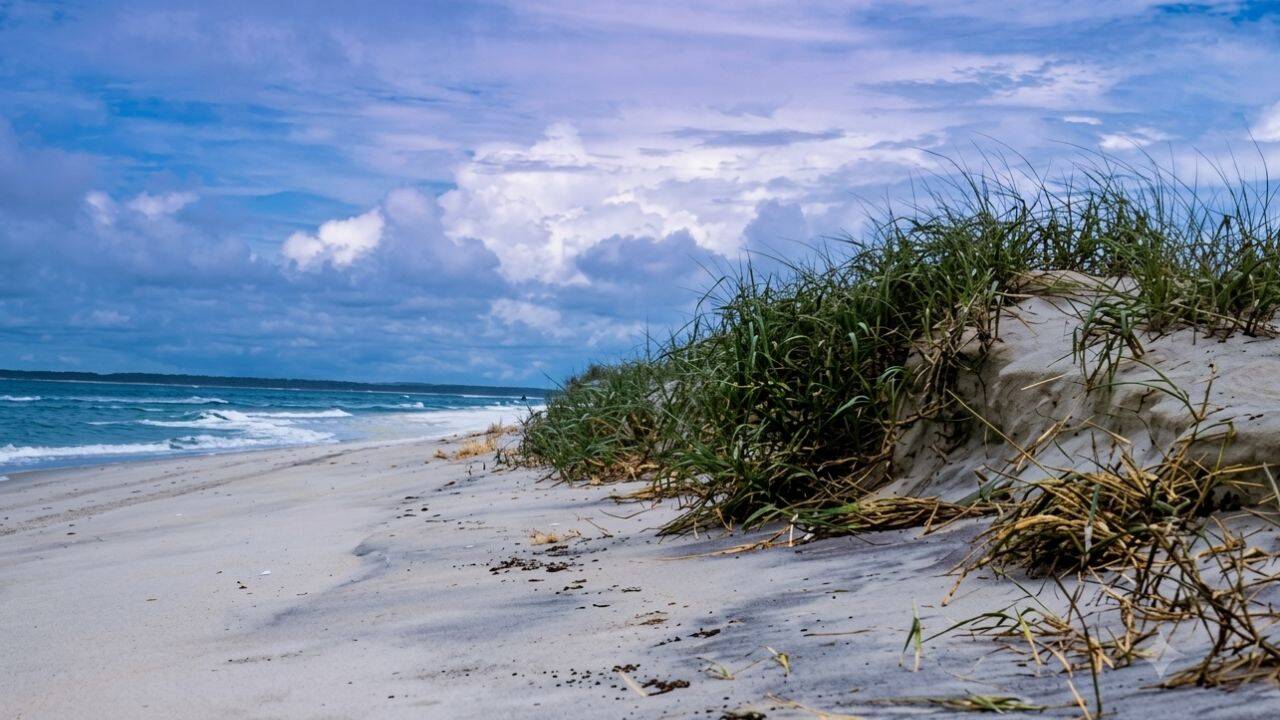
Assateague Island National Seashore, located in Maryland, is renowned for its pristine beaches, abundant wildlife, and untouched coastal habitats. However, extensive resort plans were once underway that ultimately changed the island's course. According to the National Park Service, this transformation was halted due to two significant storms: a hurricane in 1933 and the Ash Wednesday storm in 1962.
In August 1933, a powerful hurricane reshaped Assateague Island by creating an inlet between the southern end of Ocean City and Assateague. This change permanently altered the island's geography, which subsequently led to plans for converting portions of the island into a resort community. The resort, dubbed "Ocean Beach," would have featured 15 miles of continuous beach, homes, commercial zones, coastal highways, and parks. Additionally, developers also aimed to construct a bridge over the newly created inlet.
Despite these developments, the island's future took a different turn after the Ash Wednesday storm in 1962. The storm destroyed most of the existing infrastructure, including roads and buildings. Park spokesperson Carl Zimmerman, who worked for the National Park Service for twenty years, noted that the storm significantly impacted the perception of Assateague's ability to support large-scale development.
Following the Ash Wednesday storm, the federal government acquired the remaining land on Assateague Island, leading to its protection as the Assateague Island National Seashore on September 21, 1965, under President Lyndon B. Johnson. This designation ensured that the Maryland portion of the seashore, along with the surrounding waters, would remain largely undeveloped for future generations.
Today, Assateague Island National Seashore is celebrated as one of the largest and last intact Mid-Atlantic barrier islands, preserving its natural coastal habitats. The 32,000 acres of marine and estuarine waters provide a vital habitat for many aquatic and land-based species. The island also offers numerous recreational opportunities, such as beach walking, swimming, surfing, birding, crabbing, fishing, and kayaking.
Most notably, Assateague is famous for its wild horses, which attract over 80% of the island's visitors. The area is also recognized as a Global Important Bird Area by the Audubon Society due to its rich population of migratory bird species.
The waters around Assateague Island also play a significant role in the local economy, supporting the aquaculture industry. Watermen raise and harvest clams and oysters, marking their leased underwater areas with poles to distinguish them from public waters. Additionally, Assateague Island has become a crucial source of tourism for neighboring communities, drawing 2,056,827 visitors in 2013, who spent a total of $84,350,400 on recreational activities.
Written by urgent.news from Times of India's reporting — not their text. Machine-written — may contain errors; check the original before relying on it.