The US Air Force wants its next generation of target drones to mimic stealth jets
The US Air Force is seeking industry proposals for cheap, expendable drones that mimic stealth fighters, bombers, and smaller aerial threats.
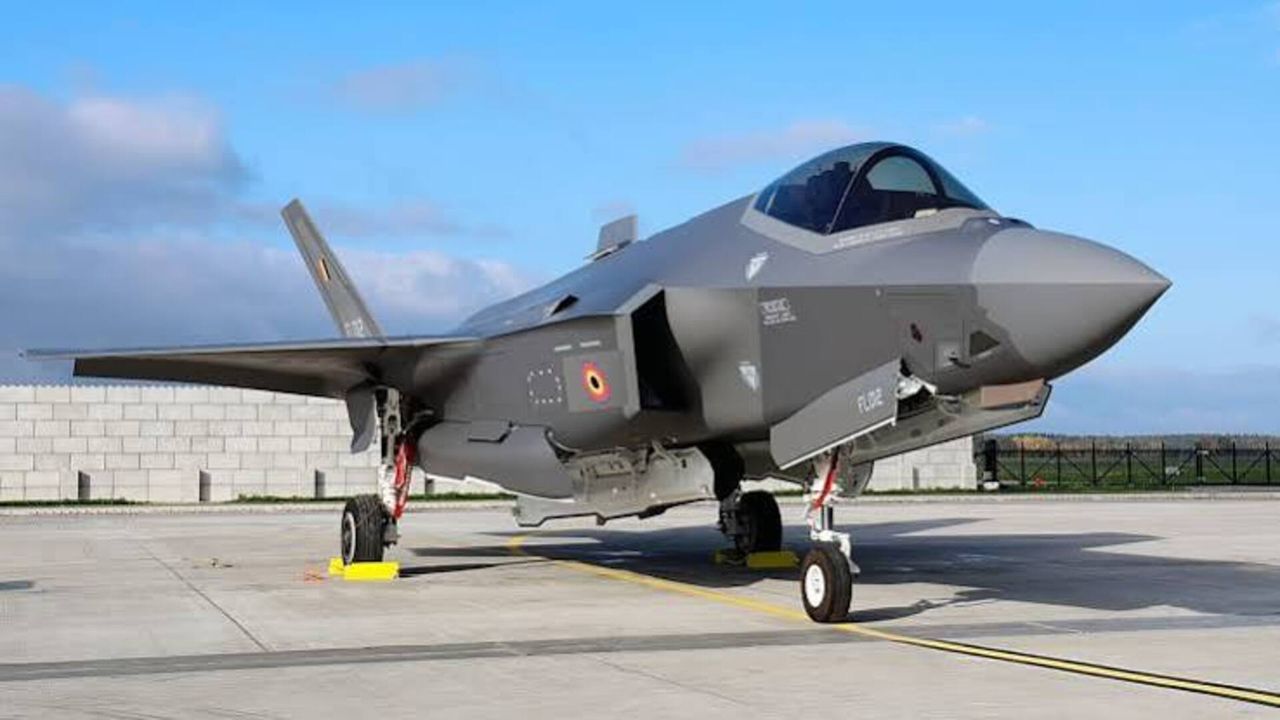
The U.S. Air Force seeks drone designs that mimic both fighter jets and large aircraft, ranging from inexpensive hobby drones to advanced stealth fighters. A September 28, 2026, deadline has been set for companies to submit proposals. The drones must replicate the radar, heat, and physical profiles of diverse threats, from small hobbyist aircraft to massive bombers.
For high-speed fighter simulation, platforms must fly beyond Mach 1.6 at 40,000 feet with sharp high-G maneuvers and controlled radar signatures. Midsize drones should operate at 50,000 feet, mirroring the altitude of actual aircraft, while smaller drones should fly at subsonic speeds and coordinate swarm behavior. Cost-effectiveness is emphasized, with a preference for systems that can be used as disposable test targets.
The Air Force is open to commercial, modified commercial, and dual-use proposals, building on a history of remote-controlled target aircraft dating back to the 1930s. The service recently relied on the BQM-167A and QF-16 drones, though these were too costly to deploy extensively. The recent U.S. military engagement in Iran highlighted the need for affordable drone solutions, as the country lost a significant portion of its Reaper drone fleet to cheaper Iranian threats. Whether commercial entities can deliver such drones at the desired price point remains uncertain.
Written by urgent.news from TechRadar's reporting — not their text. Machine-written — may contain errors; check the original before relying on it.