The great Bollywood divide: What Indian movies lost between 2001 and 2026
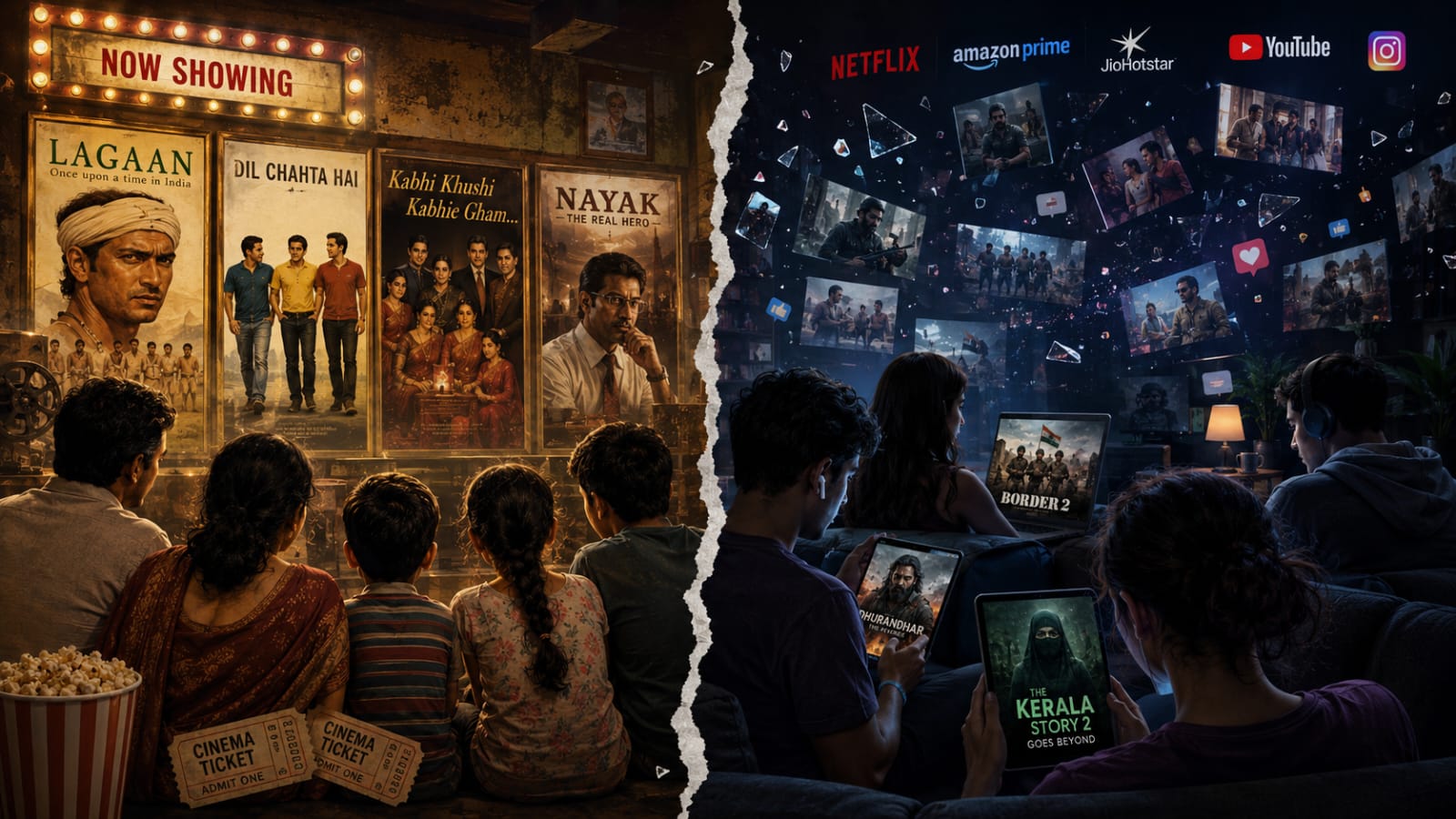
In the 1990s, a film could captivate audiences regardless of its genre or message. Movies like Lagaan, Dil Chahta Hai, Kabhi Khushi Kabhie Gham, and Nayak were watched by all, despite their varying contents. These films tackled topics such as colonialism, corruption, family dynamics, and national pride, yet still managed to resonate with millions. The shared emotions and experiences transcended individual perspectives, making these films broadly accessible.
However, today's Bollywood landscape has undergone a significant shift. Instead of aiming to appeal to a broad mass audience, productions now focus on identifying specific themes that can strongly motivate a particular segment of the audience. For instance, films like Dhurandhar: The Revenge, Border 2, and The Kerala Story 2 have all achieved massive success by tapping into themes of revenge, patriotism, and political ideology, respectively. These films demonstrate how a well-defined theme can form a strong basis for audience attraction.
The modern audience is empowered to choose films based on their specific needs and motivations. In David L Swanson's 1992 research on uses and gratifications, it was established that audiences don't passively consume media; they actively seek out content that satisfies their individual requirements. This notion holds true in today's context, where viewers can select films that appeal to their unique preferences and expectations.
These changes have been further accelerated by the proliferation of alternative entertainment platforms. Today, individuals can seamlessly switch between various streaming services, YouTube, Instagram, and other sources of content. Unlike the days when a successful film became a shared cultural experience, these modern platforms tailor content to each viewer's interests, allowing for a more personalized and fragmented viewing experience.
As a result, audience fragmentation has multiplied, creating various "mass audiences" based on political, nostalgic, franchise-driven, generational, regional, and fandom-based interests. A film no longer needs to cater to everyone; it merely needs individuals who are passionate enough to purchase tickets, engage in discussions, and bring others into the experience.
This shift in audience dynamics has opened up new possibilities for Bollywood, as filmmakers can now create targeted content that resonates with specific segments of the population.
Written by urgent.news from The Indian Express's reporting — not their text. Machine-written — may contain errors; check the original before relying on it.